
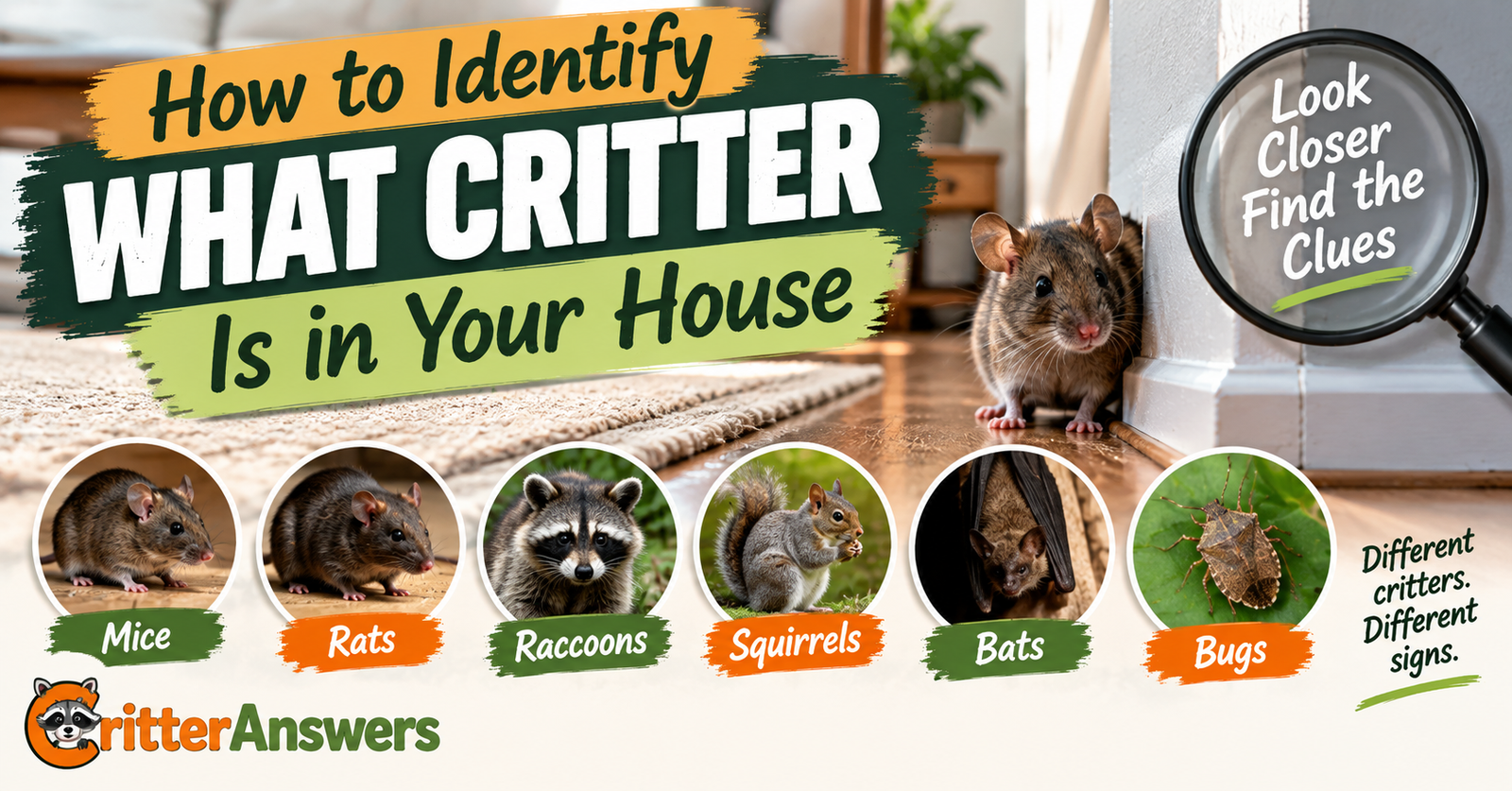
If you know something is living in your house but haven’t actually seen it, don’t try to identify the animal from one scratch, dropping, or strange smell. I would start by collecting clues. Where the activity happens, what time you notice it, what the noise sounds like, and what physical evidence is left behind can narrow the possibilities surprisingly fast. When those clues point to the space beneath a porch, identify an animal from multiple clues applies the same process to that specific setting.
Light scratching inside a kitchen wall after midnight gives me a very different starting point than heavy thumping across an attic after dark. Fast scampering above the ceiling during the day changes the possibilities again.
You may not get a certain identification from one clue, and that’s normal. Instead, I like to put several clues together and see which animal actually fits them all.
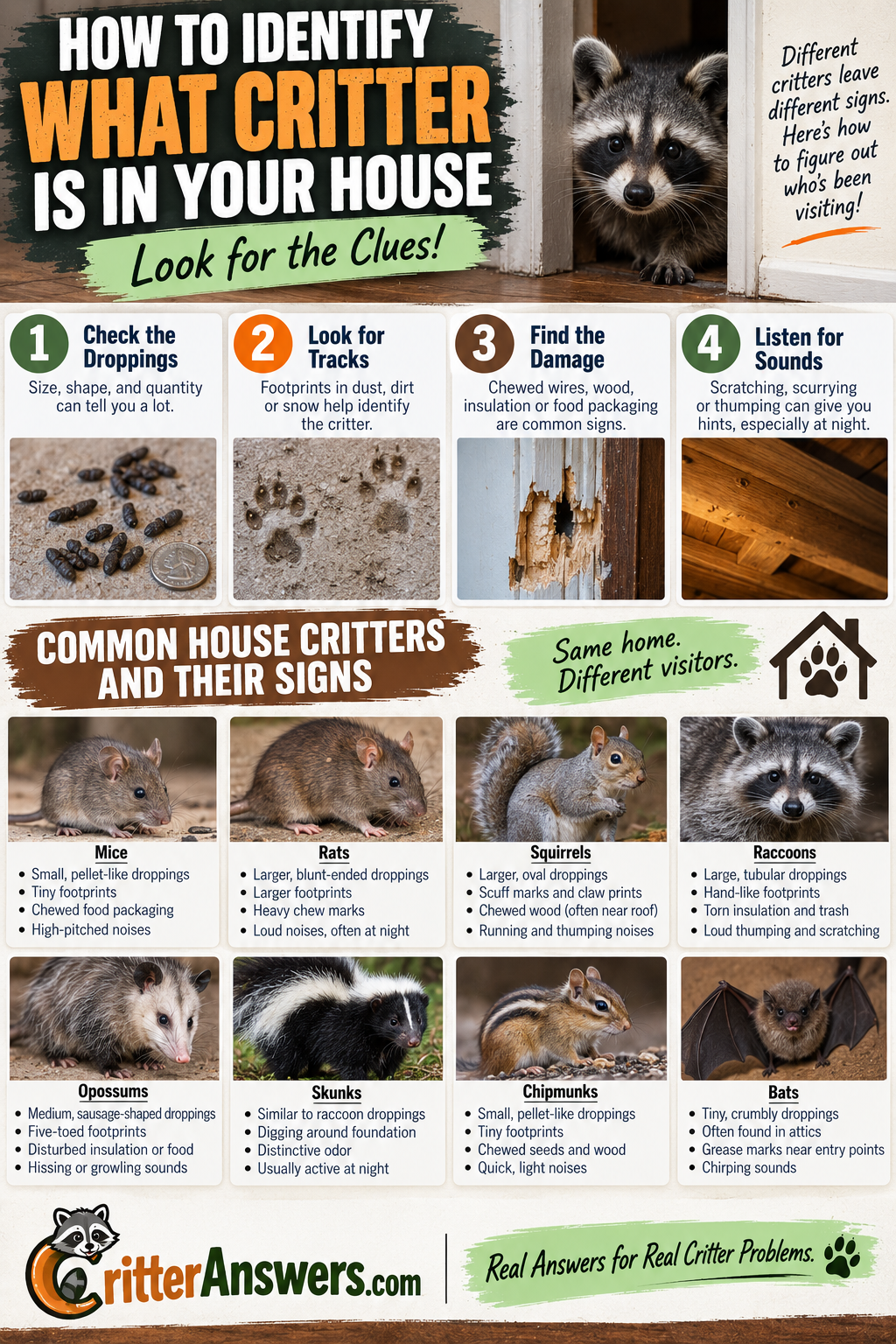
Start With Where the Critter Is in Your House
Location is one of the first things I would write down.
Don’t settle for “somewhere in the house.” Try to narrow the activity down as much as you safely can:
- Inside an interior or exterior wall
- Above a ceiling
- In the attic
- In the basement
- In a crawl space
- Behind kitchen cabinets or appliances
- Around the chimney
- Near a bathroom or plumbing wall
- Inside the garage
- Beneath the floor
Different animals use houses differently.
Mice and rats can travel through small hidden spaces throughout a building. Squirrels are commonly associated with upper areas such as attics and rooflines. Larger wildlife such as raccoons can also use attics, but they tend to leave different sounds, entry damage, and other evidence.
There is one complication that throws homeowners off all the time: sound travels through a house.
Framing, drywall, pipes, ductwork, ceilings, and floors can carry vibrations. Something that sounds like it’s directly above your bed might actually be several feet away.
Use the location of the noise as your first clue, not your final answer.
Pay Close Attention to the Time
This is one of the easiest clues to collect because you don’t have to touch or even see the animal.
Start noting approximately when the activity begins.
Mostly at night
Mice and rats commonly become active after dark, so repeated nighttime scratching or scampering makes rodents worth considering.
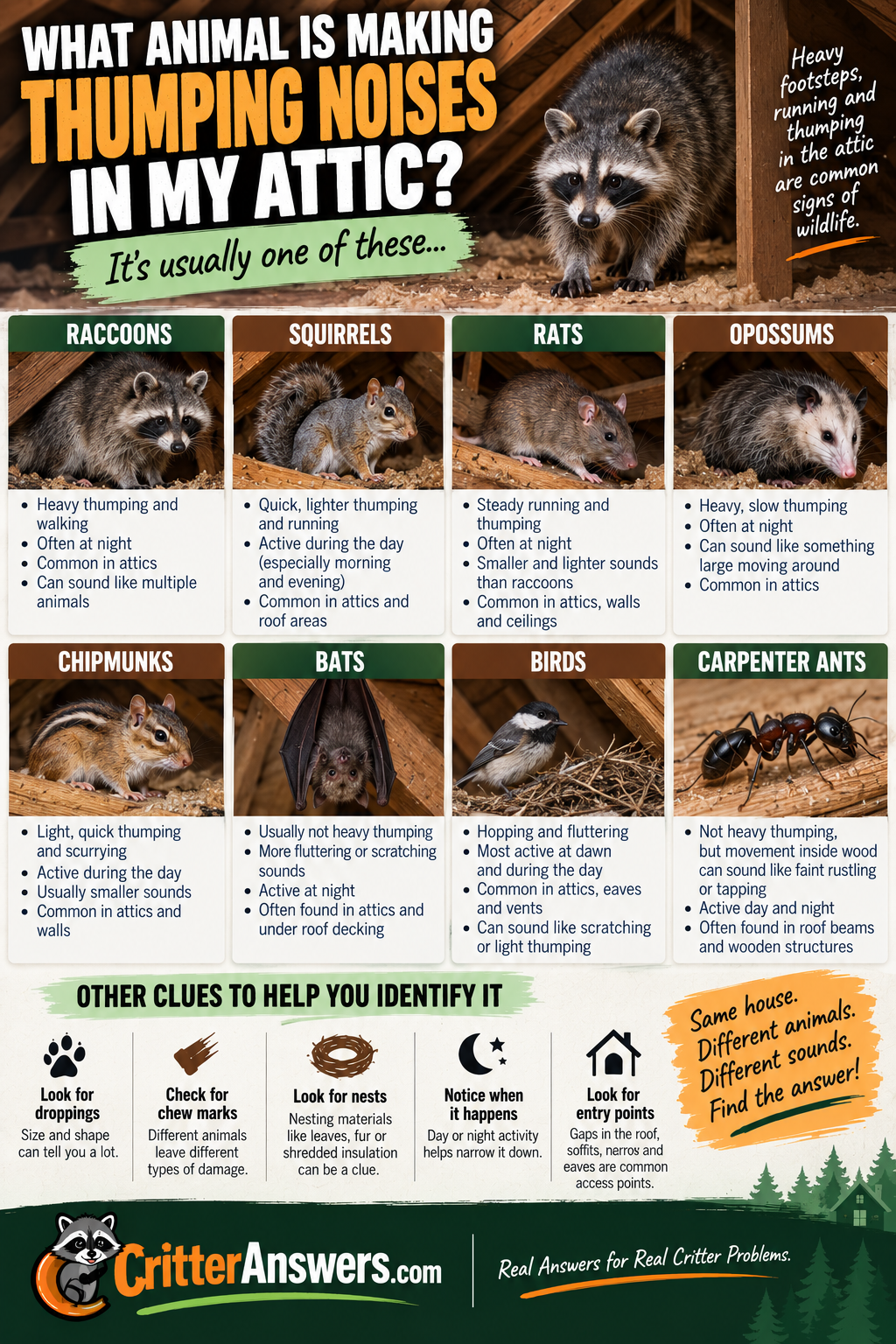
Larger nighttime footsteps or thumps in an attic can point toward larger wildlife, but sound alone isn’t enough to call it a raccoon or anything else.
Mostly during the day
Consistent daytime activity in an attic makes me pay more attention to squirrels.
If you’re hearing fast movement in the morning or afternoon and also notice damage around a roof edge, soffit, fascia, or vent, those clues become much more meaningful together.
Around dusk
Activity that repeatedly starts around sunset gives you another useful clue.
For example, bats normally leave roosts around dusk to feed. Seeing animals actually exit a structure around that time is far stronger evidence than simply hearing an occasional noise in a wall.
The important thing is not to treat the clock as absolute proof. Animals can be disturbed or behave outside their usual schedule.
What Does the Noise Actually Sound Like?
“There’s something in my wall” doesn’t tell us nearly as much as:
“I hear light scratching and short bursts of running in my bedroom wall around 1 a.m.”
Try to describe the sound as specifically as possible.
Light scratching and rustling
Very light scratching, rustling, or rapid little movements can fit small animals such as mice.
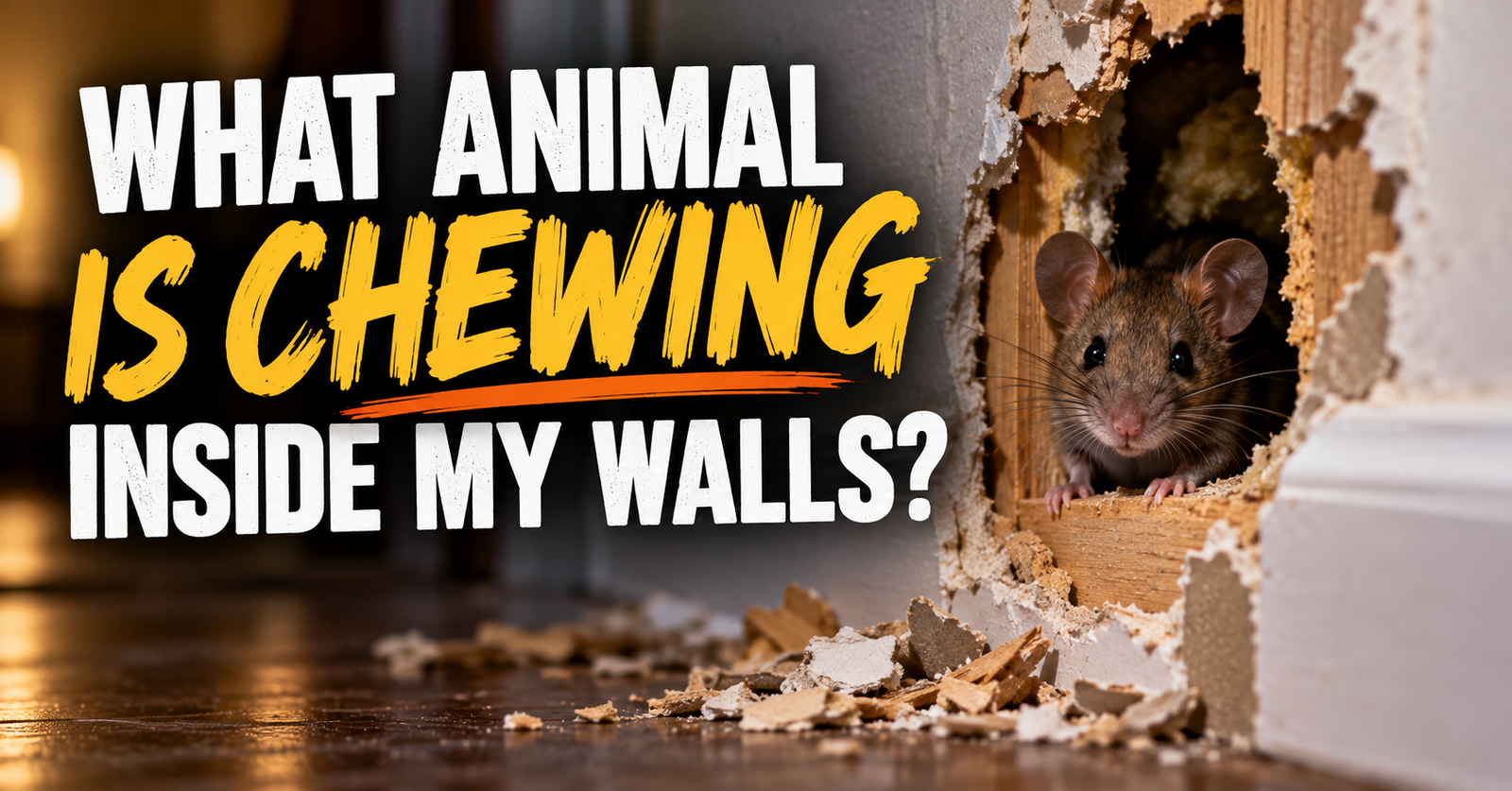
If the sound seems to move quickly through a wall or ceiling, don’t assume several animals are involved. A small animal moving through connected cavities can seem to pop up in different places surprisingly quickly.
Fast scampering
Fast running across an attic could fit rodents or squirrels depending on the time of day and other evidence.
And don’t let volume fool you.
A small animal running directly over drywall or across framing can sound considerably larger from the room underneath.
Heavy footsteps and thumping
Slow movement, distinct thumps, or noises that genuinely sound heavier make me look harder for signs of a larger animal.
Instead of deciding “that’s definitely a raccoon,” check for larger droppings, disturbed insulation, obvious entry damage, tracks, or activity around the roof.
Gnawing or chewing
Repetitive chewing or scraping makes rodents worth investigating.
The CDC identifies droppings and gnaw marks as common signs of rodents in buildings.
Look around accessible areas for damaged food packaging, wood, cardboard, plastic, or other freshly chewed material.
Chirping or squeaking
These sounds are much harder to use for identification.
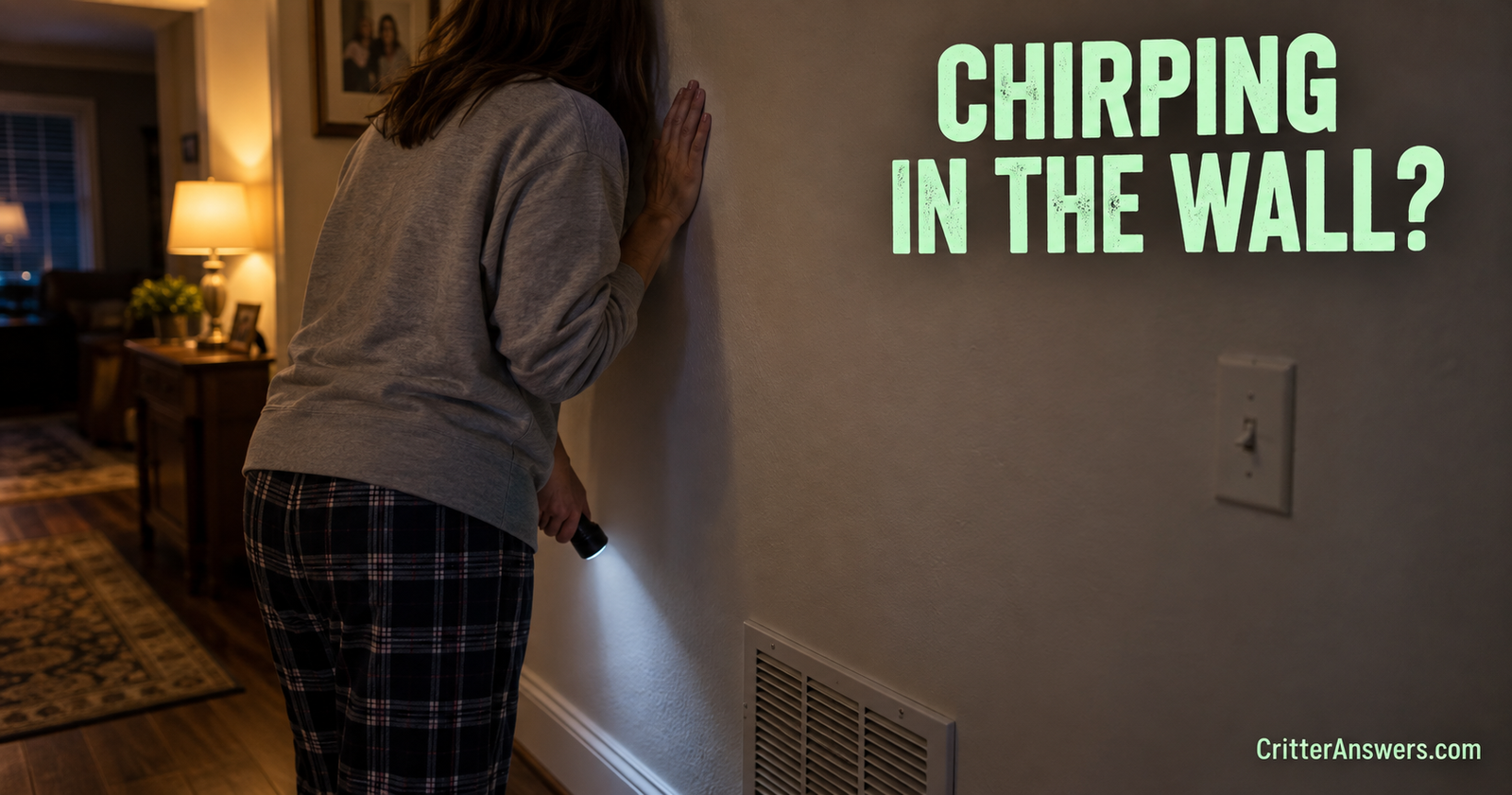
Young animals may sound very different from adults, and several kinds of mammals can squeak, chirp, chatter, or make other vocal noises.
I wouldn’t identify an animal from a chirping sound alone.
Droppings Can Be One of Your Best Clues
If you find droppings, don’t immediately clean everything up before looking at the evidence.
Without touching them, note their:
- Approximate length
- Shape
- Color
- Quantity
- Location
- Whether they’re scattered or concentrated
- Whether you continue finding new ones
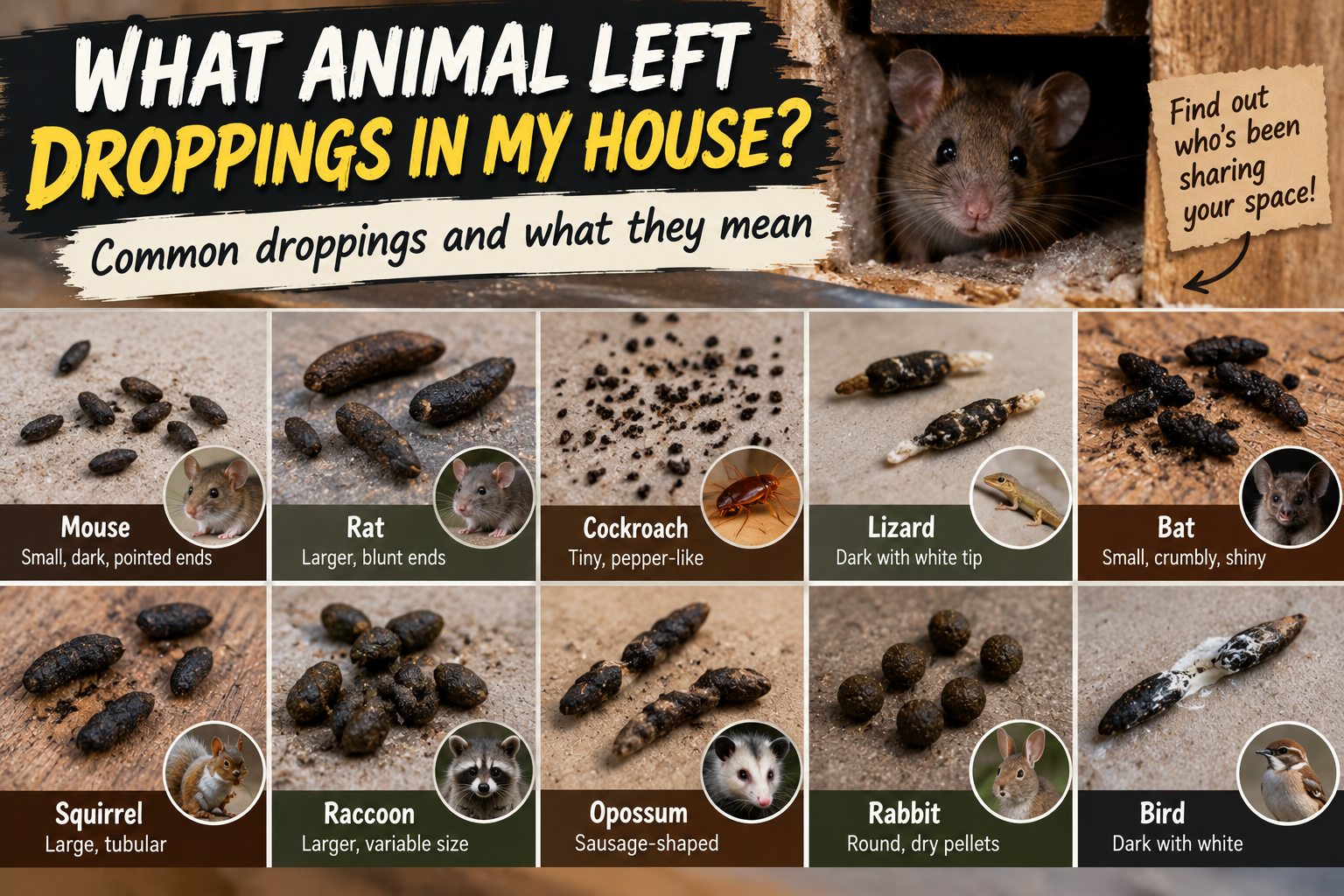
Take clear photos if you’re trying to identify them later. Including something nearby for scale can be helpful as long as you don’t disturb the waste.
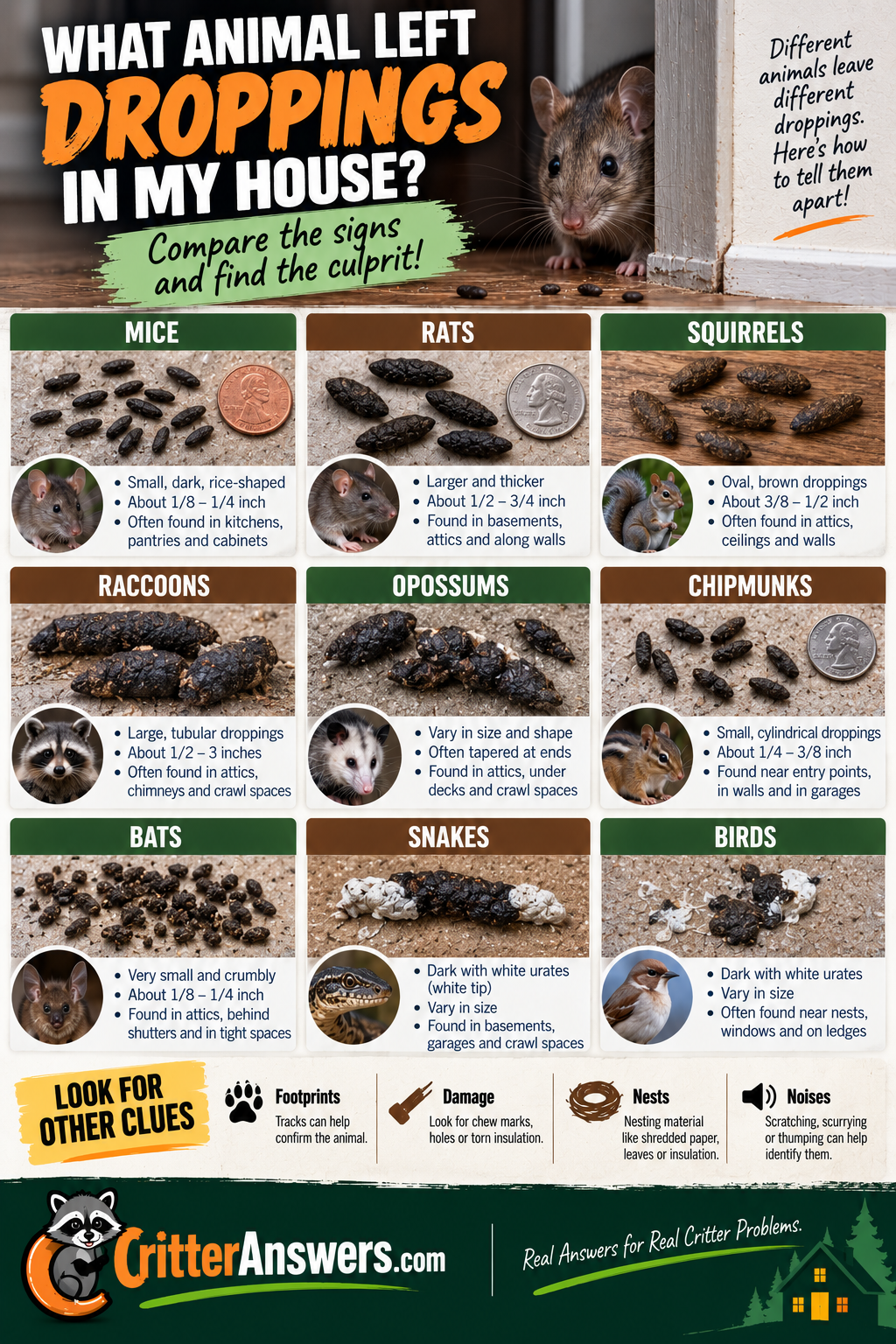
Location can be just as revealing as appearance. Tiny droppings inside a kitchen drawer create a different picture than a large concentration of waste in one part of an attic.
Still, I would never identify an animal with complete certainty from a single dropping. Size and appearance can vary, and different animals can leave evidence that looks surprisingly similar.
Don’t Sweep or Vacuum Unknown Rodent Droppings
This deserves its own section because the instinct to grab the vacuum is understandable, but it can be the wrong move.
If the waste may be from mice or rats, don’t sweep or vacuum dry rodent urine, droppings, or nesting material.
CDC cleanup guidance warns that sweeping or vacuuming can cause contaminated material to become airborne. Their guidance calls for wetting rodent waste thoroughly with an appropriate disinfectant before removal and using protective precautions during cleanup.
A couple of droppings in an accessible area and a heavily contaminated attic are also very different situations. Large accumulations of waste, contaminated insulation, dead animals, or extensive nesting material may warrant professional cleanup.
Look for What the Animal Has Damaged
Damage tells me what the animal has been doing, and sometimes that is more useful than the noise.
Look for signs such as:
- Gnawed wood
- Chewed food packages
- Damaged cardboard boxes
- Disturbed or shredded insulation
- Damaged vent screens
- Scratches around an opening
- Loose or damaged soffit material
- Chewed wires
- Torn duct material
- Fresh damage around a hole
Pay attention to scale.
Tiny gnaw marks around a bag of food point me in a very different direction than a roof vent that appears to have been bent, torn, or pulled open.
Freshness matters too. An old hole doesn’t necessarily tell you how an animal is entering today.
If you discover damaged electrical wiring, treat that as a separate safety problem. Identifying the critter isn’t worth handling questionable wiring or trying to make an electrical repair you’re not qualified to make.
Nesting Material Adds Another Piece
Finding a nest can help considerably, but don’t stick your hand into it to see what’s there.
Look from a safe distance at what the nest is made from, where it is located, and approximately how large it is.
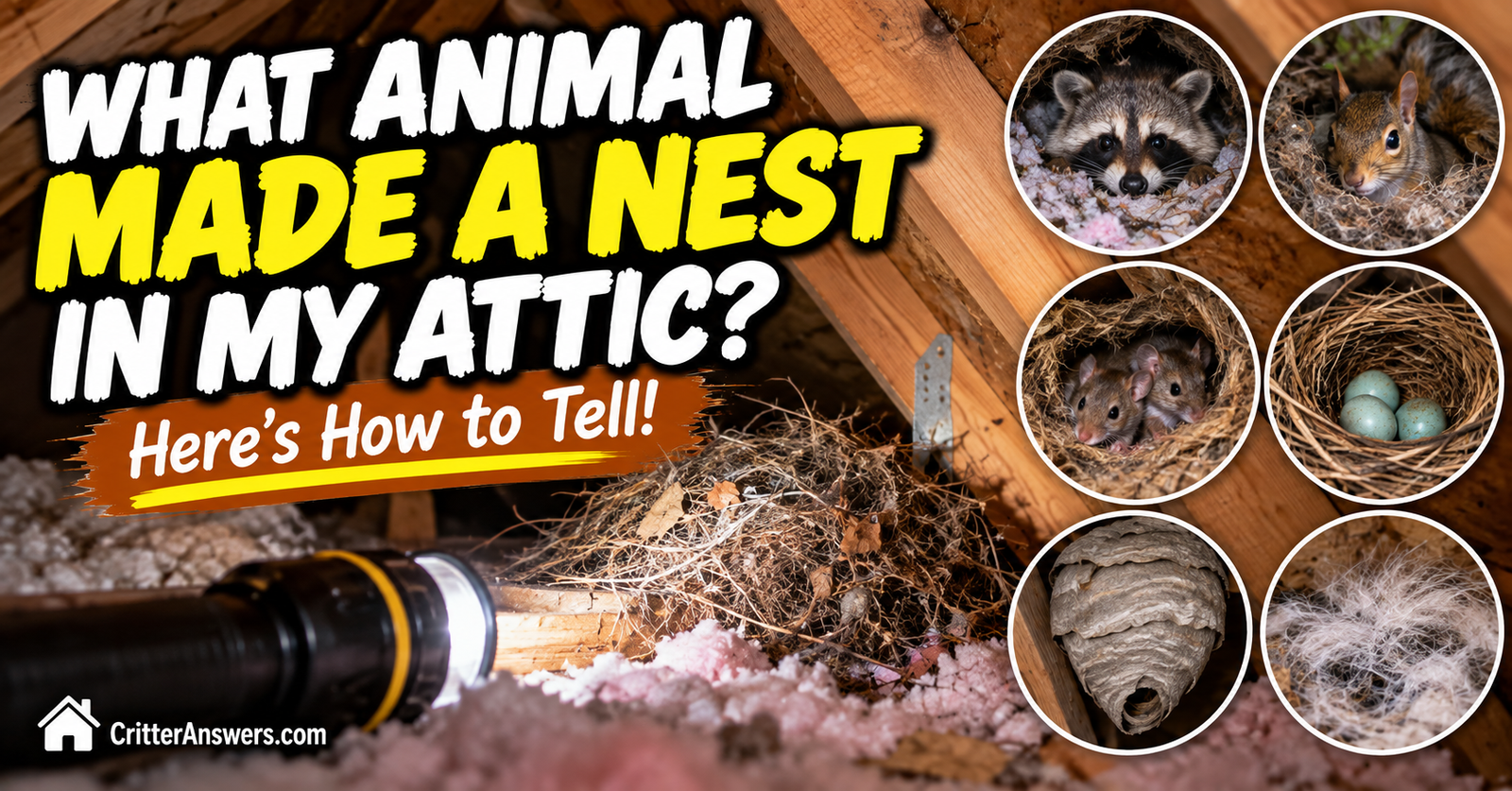
Small mammals may collect shredded paper, fabric, insulation, plant matter, or other soft materials. Squirrels may bring leaves and similar material into an attic. Larger animals can flatten or disturb larger areas of insulation. Those material differences can help when identifying an attic nest from its materials, especially alongside the nest's location and nearby signs.
A nest also raises an important question:
Are there babies inside?
That question matters before you start sealing holes or trying to force an animal out.
Don’t Seal an Entry Hole Just Because You Found It
This is one of the easiest ways to make a critter problem worse.
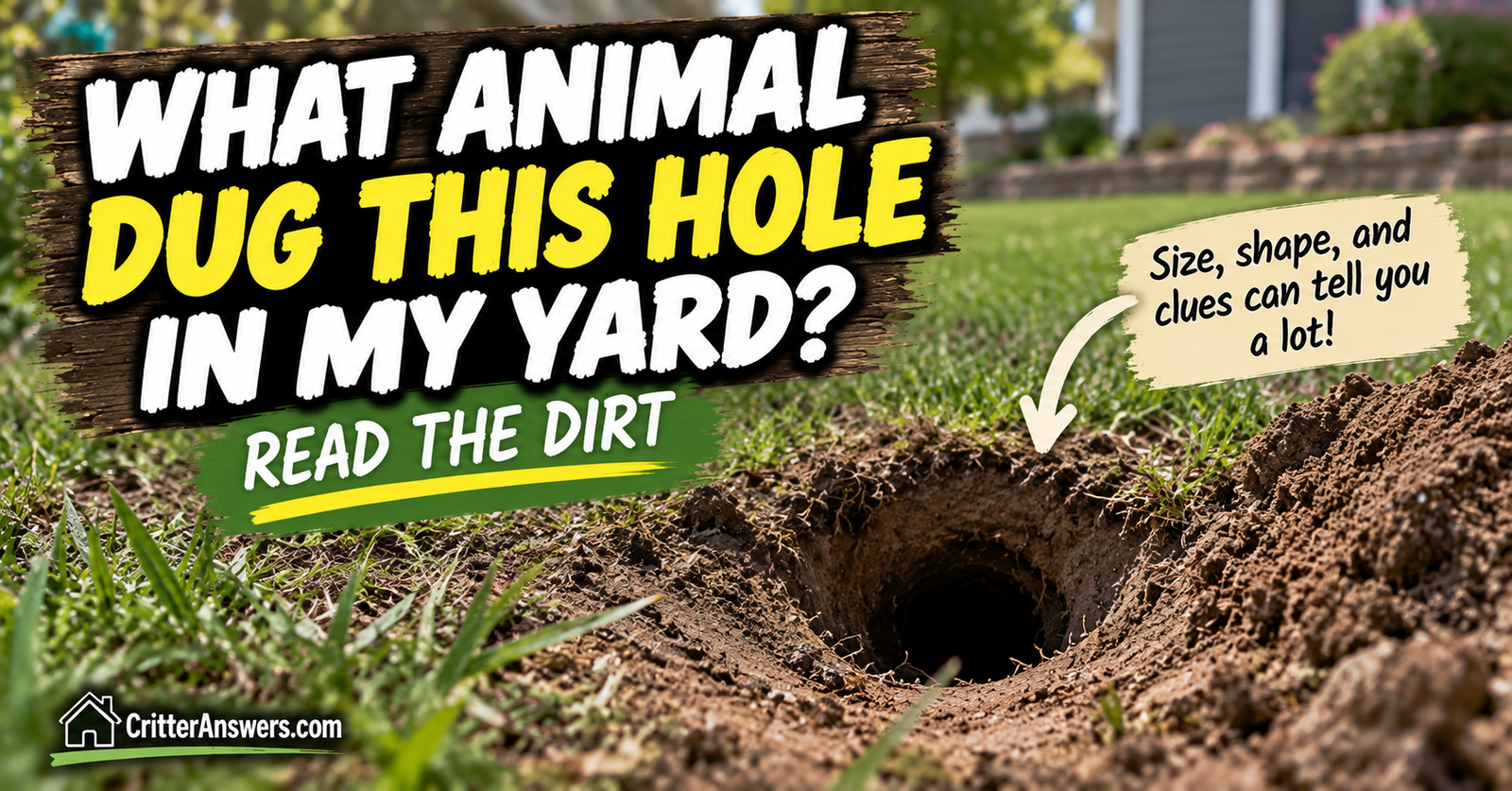
You find a hole. You know something has been getting inside. Sealing it immediately feels like the obvious fix.
But first you need to know whether anything is still inside.
If an animal is trapped after its exit is sealed, it may cause additional damage attempting to escape. If a mother is outside while dependent young remain inside, you’ve created another problem entirely.
Current wildlife guidance specifically stresses confirming that animals have left and checking for young before permanently sealing active wildlife openings.
Identify first. Exclude second. Seal permanently once you’re confident the space is empty.

Look Outside the House for the Missing Clue
If an animal is living inside your house, it got there somehow.
I would walk around the exterior during daylight and inspect what you can safely see from the ground.
Pay particular attention to:
- Roof edges
- Soffits and fascia
- Exterior vents
- Chimney openings
- Siding corners
- Foundation penetrations
- Crawl-space vents
- Utility lines entering the house
- Gaps around doors
- Areas where building materials meet
For rodents, don’t expect a dramatic hole.
The CDC notes that a mouse can fit through a hole about 1/4 inch wide, roughly the width of a pencil.
That tiny size explains why people sometimes insist their house has no possible mouse entry point. The opening may simply be much smaller than they expected.
Put All the Clues Together
This is where identification becomes much more reliable.
Don’t ask only:
What animal scratches inside walls?
Ask something more like:
What animal makes light scratching sounds inside my kitchen wall after midnight and leaves small droppings beneath the sink?
Now we have location, time, sound, and physical evidence working together.
Here’s a quick chart I would use when keeping track of what you’re finding:
| Clue | What to Record |
|---|---|
| Location | Wall, attic, basement, crawl space, kitchen, garage |
| Time | Morning, daytime, dusk, late night |
| Sound | Scratching, running, chewing, thumping, chirping |
| Droppings | Approximate size, shape, amount and location |
| Damage | Gnawing, torn vents, damaged insulation, scratches |
| Nesting | Material, approximate size and location |
| Odor | Urine-like, musky, decay or other unusual smell |
| Entry point | Gap, damaged vent, roof opening, foundation hole |
One clue can send you in the wrong direction. Five clues pointing toward the same animal are much harder to dismiss.
The Most Common Critters I Would Consider
You don’t need to learn every mammal in North America before figuring out what’s moving around your house.
Start with the animals that actually make sense for the location and evidence.
Mice
Mice move high on my list when I see small droppings, gnaw marks, damaged food packaging, small nests, and light nighttime scratching around walls, cabinets, basements, garages, or attics.
Their ability to enter through extremely small openings is another important clue.
Rats
Rats can produce many of the same general signs as mice, but the physical evidence tends to be larger.
Depending on the species and building, rats may use walls, attics, basements, crawl spaces, garages, and areas around food.
Don’t decide you have rats simply because something sounds loud. Look for physical evidence that agrees with the noise.
Squirrels
Squirrels become more interesting when activity occurs in an attic during daylight.
I’d look closely around the roofline for damaged vents, soffits, fascia, or other possible access areas.
Nesting material and the timing of the activity can strengthen the identification.
Raccoons
A raccoon is considerably larger than a mouse or squirrel, so its activity can involve heavier movement and more substantial entry damage.
If the evidence points toward a raccoon, I would not corner it or attempt to grab it.
Also be particularly careful about assuming an attic is empty and sealing the entrance during periods when a female may have dependent young.
Bats
Bats deserve a little different treatment than rodents.
Seeing bats repeatedly leave part of the building around dusk is a much better identification clue than hearing an occasional squeak in the wall.
A bat actually found inside an occupied living area can also raise potential rabies-exposure questions depending on whether anyone may have had physical contact with it. That is a situation where appropriate medical or public-health guidance is more important than trying to solve everything yourself.
What About the Strange Smell?
Sometimes smell is the clue that finally convinces someone an animal is present.
An animal-related odor can come from urine, droppings, nesting material, scent marking, or an animal that died somewhere inaccessible.
I wouldn’t try to identify the species from smell alone.

Odors can also travel through wall and floor cavities, which means the place where the smell is strongest isn’t necessarily where the animal is located.
One pattern I would pay attention to is noise that suddenly stops followed by a worsening decay smell. A dead animal is one possible explanation, although you’ll still need more evidence before assuming that’s what happened.
Tracks Can Help Too
Tracks are often more useful outdoors, around dusty areas, or on soft ground than they are on a clean indoor floor.
If you find a good track, photograph it before disturbing it.
Put a ruler or another object nearby for scale if you can do so safely. Then look at the whole pattern rather than obsessing over one partial footprint.
Approximate size, toe arrangement, stride, direction of travel, and where the tracks lead can all provide clues.
A blurry half-print isn’t something I would use to confidently identify a species.
A Camera May End the Guessing
There comes a point where listening to scratching every night gets old.
A motion-activated camera can sometimes identify the animal much faster.
Trail cameras are particularly useful around exterior areas such as:
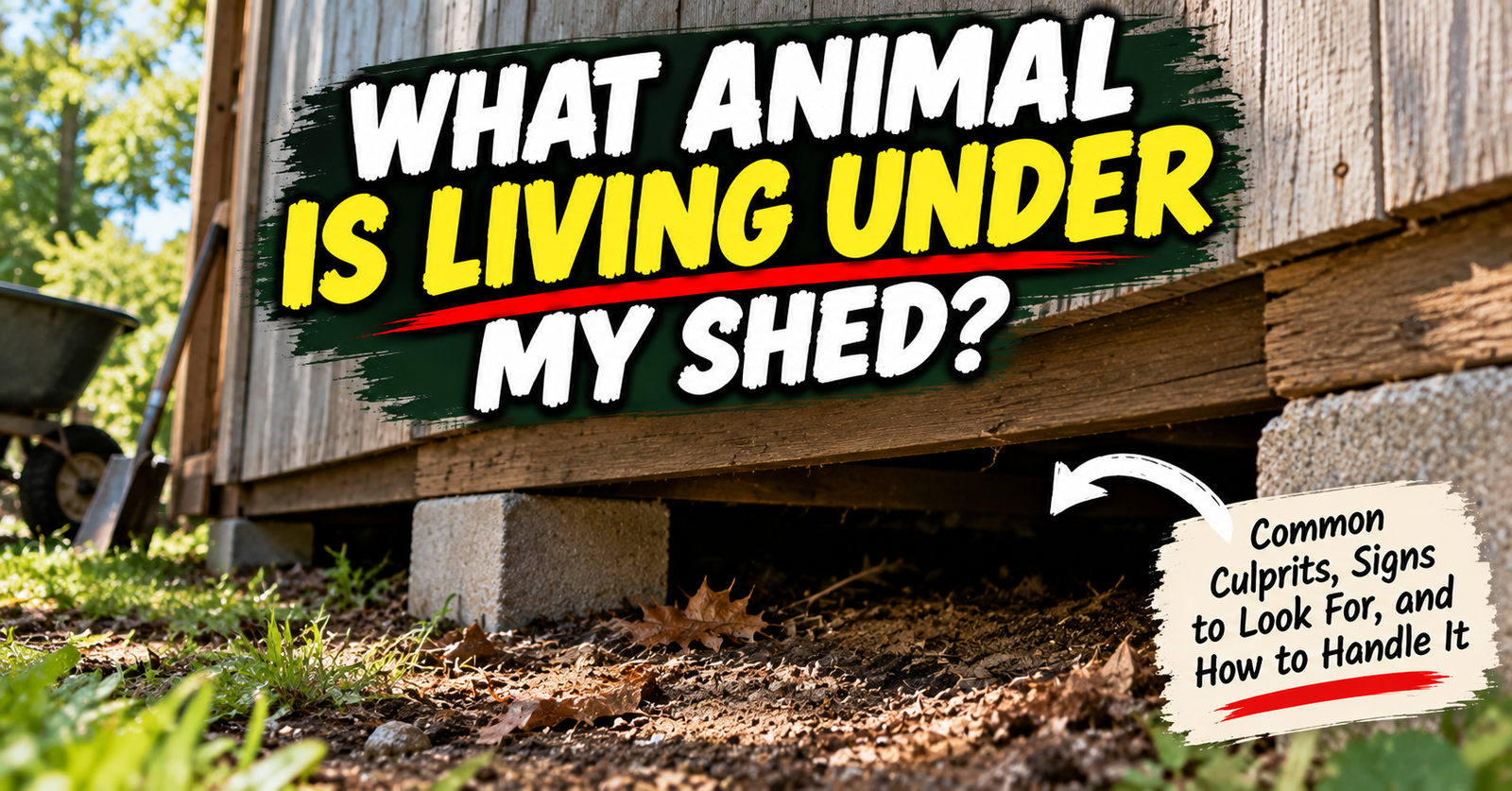
- Sheds
- Porches
- Crawl-space entrances
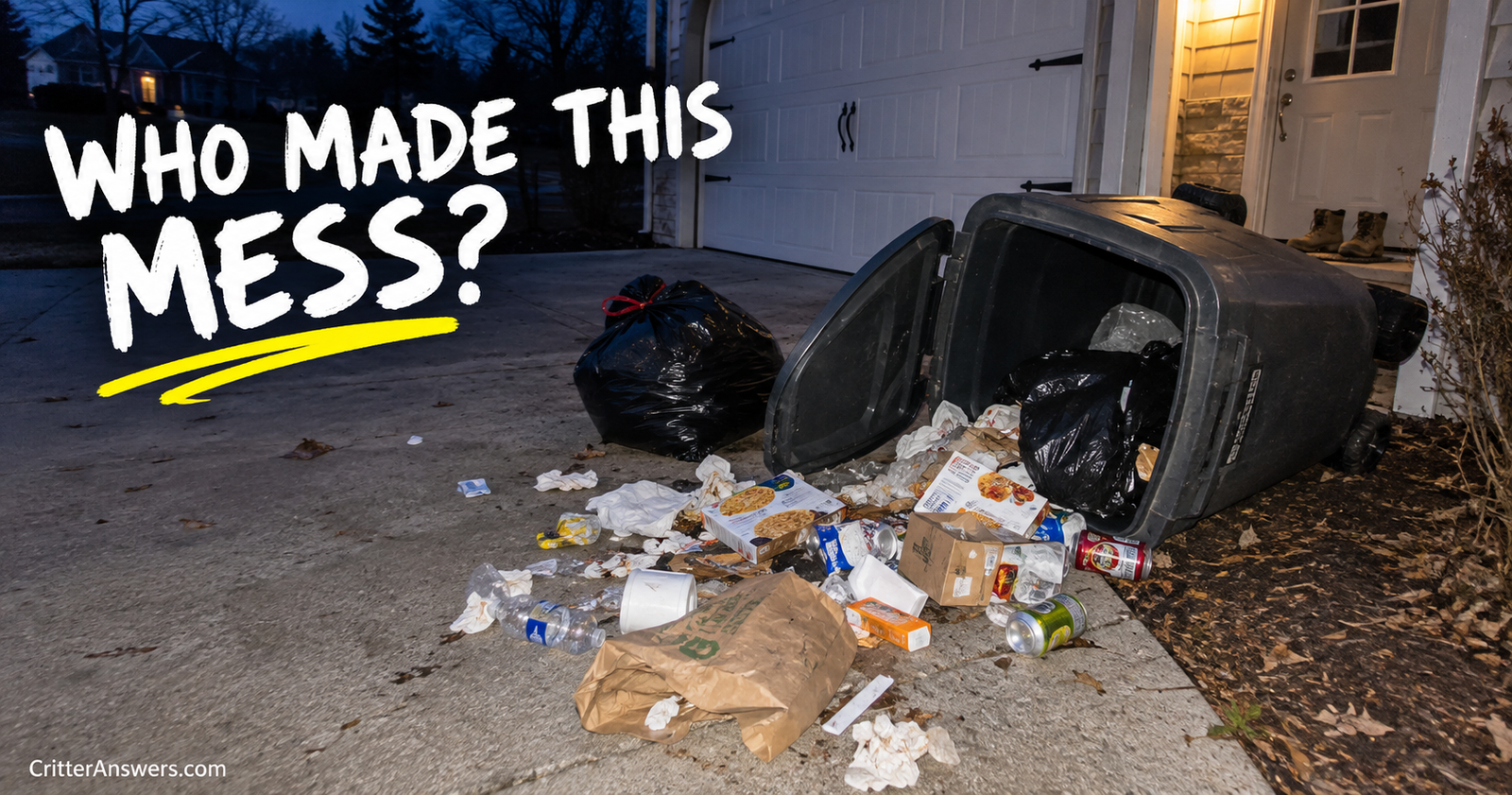
- Trash cans
- Suspected travel routes
- Openings beneath structures
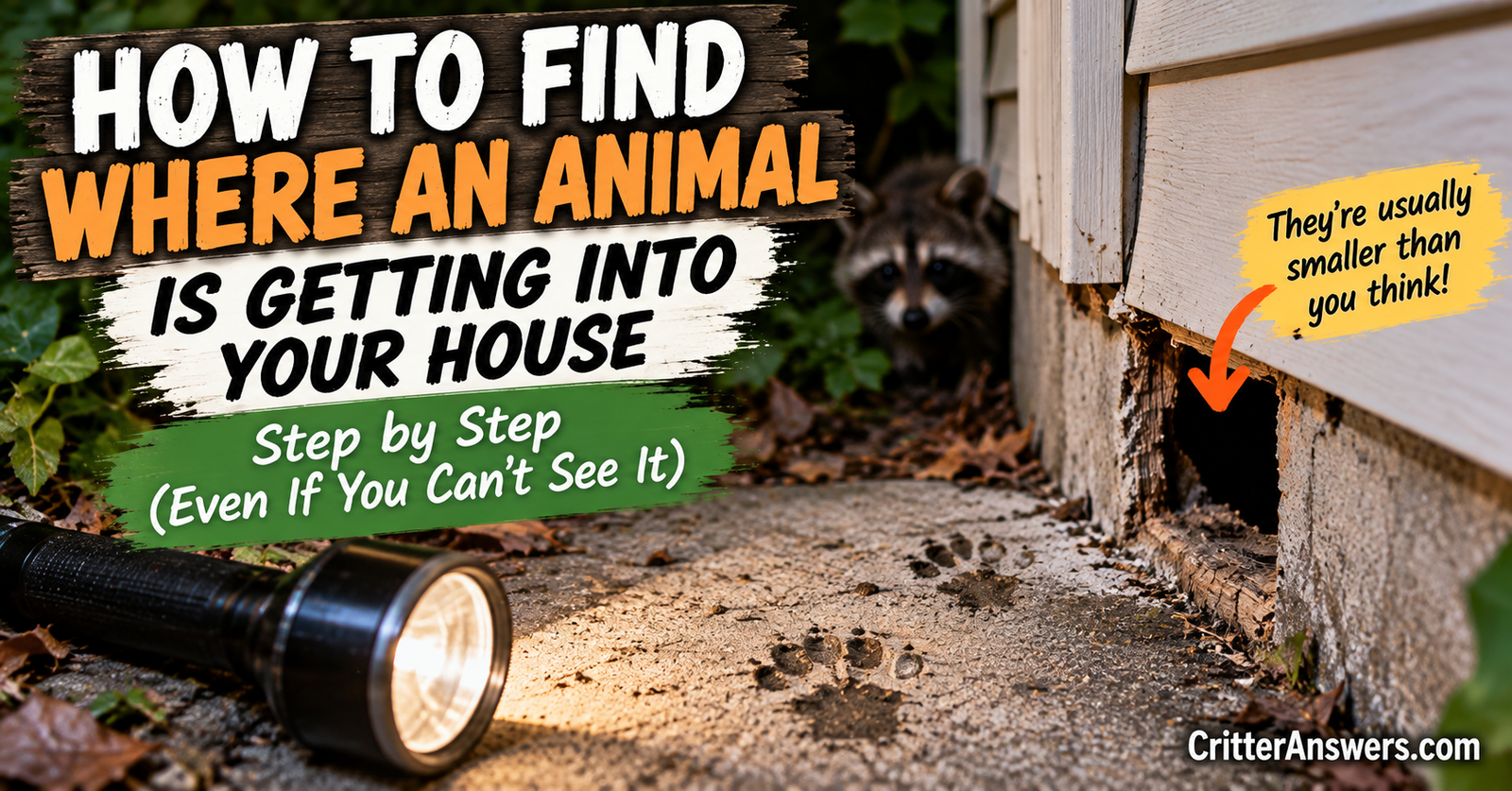
You don’t necessarily need to crawl into a questionable attic to get footage. If you can safely position a camera near an accessible suspected entrance or travel route, you may finally see what’s coming and going.
And yes, the animal making that enormous noise may turn out to be much smaller than you imagined.
What I Would Check First Tonight
If I suddenly started hearing an unknown critter inside my house, I wouldn’t start opening walls or plugging holes.
I’d gather evidence first.
- Write down exactly where I hear it.
- Record approximately what time the activity starts.
- Describe the sound instead of just calling it “scratching.”
- Look for droppings without disturbing them.
- Check accessible areas for gnawing and nesting material.
- Look for unusual odors.
- Inspect the exterior during daylight.
- Photograph suspected entry points.
- Use a camera if the evidence remains unclear.
- Compare all of the clues before deciding what animal is responsible.
That gives you something much more useful than a guess.
Don’t Put Yourself at Risk Just to Identify It
There is no prize for getting a perfect picture of an animal inside a dangerous attic.
I would not crawl across unsafe framing, reach blindly into a nest, handle a bat, corner a raccoon, grab an unknown animal, or put my face near an opening just to get a better look.
Keep pets away from unfamiliar wildlife as well.
For substantial rodent contamination, the CDC recommends additional precautions beyond ordinary cleanup, and heavily affected areas may require appropriate protective equipment or professional assistance.
You can learn a tremendous amount without ever touching the animal.
When I Would Call a Local Professional
Sometimes the evidence is enough to tell you that something is there, but not enough to safely solve the problem yourself.
Professional identification or removal becomes much more worthwhile when you have:
- A large animal inside the structure
- Significant droppings or urine contamination
- An inaccessible nest
- Possible dependent young
- Major damage around an entry point
- Damaged wiring
- Possible bat contact or exposure
- An animal behaving unusually or aggressively
- Repeated activity you cannot locate
- An opening that cannot safely be inspected
You don’t need to know the exact species before asking for help.
For most mystery critters, I would begin with the same basic evidence: where it is, when it’s active, what it sounds like, what droppings or damage it leaves, whether there is nesting material, and how it may be entering.
Once those clues start agreeing with one another, figuring out what’s actually living in your house becomes a lot easier.
About the author: Nolan Mercer writes for Critter Answers with a focus on carefully researched, practical answers to the strange wildlife signs homeowners find in and around their homes.