

You know mice are in the house.
You found the droppings.
You’ve heard the scratching.
Maybe you’ve even watched a mouse run across the kitchen.
So you put out a trap with peanut butter and wait.
Nothing.
The next night?
Still nothing.
At that point it’s easy to decide you’ve somehow ended up with the smartest mouse in America.
Usually, I wouldn’t give the mouse that much credit.
When mice won’t go near a trap, I first look at placement, the number of traps being used, competing food, bait amount, trigger setup, and whether the trap is actually sitting on an active mouse route.
Sometimes the trap isn’t the problem at all.
We’re simply asking a mouse to visit a place it doesn’t normally go.
First, Make Sure the Mice Are Still Active There
This sounds obvious, but it’s where I’d start.
Maybe you found droppings beneath the sink and immediately put a trap there.
But are those droppings new?
Could the activity have moved?
Have you seen fresh evidence since setting the trap?
Look for:
- New droppings
- Fresh gnawing
- Newly damaged food
- Recent sightings
- Nighttime scratching
- New nesting material
- Bait or food disappearing
If nothing new has happened in that area, your trap may be guarding an old mouse route.
That’s very different from a mouse actively walking past your trap every night.
Mistake #1: The Trap Is in the Wrong Place
This is the first thing I’d suspect.
Mice tend to travel close to walls, objects, cabinets, and other protected edges.
CDC recommends putting traps where you’ve actually found rodent evidence, including droppings, gnawed food, nesting material, and gnaw marks. It also recommends placing traditional snap traps against walls with the baited end toward the wall.
If your trap is sitting in the middle of the kitchen because that’s where you saw the mouse run, look more carefully.
Where did the mouse come from?
Where did it disappear?
Behind the refrigerator?
Under a cabinet?
Into the pantry?
Those are often better trapping locations.
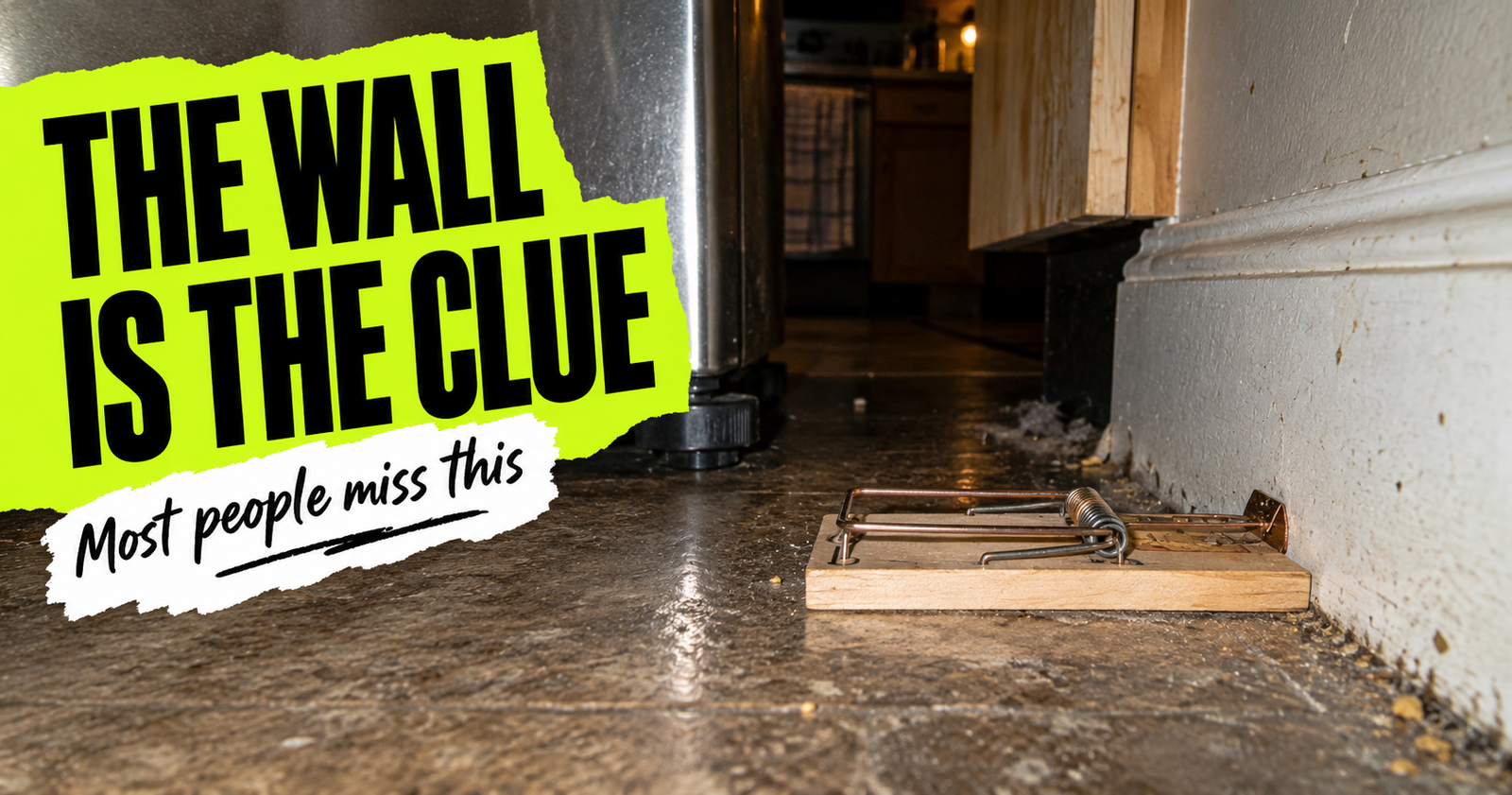
Our guide to where you should put mouse traps around the house goes much deeper into placement.
Mistake #2: You’re Using One Trap for the Whole House
One trap can catch a mouse.
That doesn’t make one trap an ideal mouse-control program.
Suppose you have evidence:
Behind the stove.
Under the sink.
Inside the pantry.
And along a garage wall.
One trap can’t simultaneously intercept all four routes.
MU Extension recommends using enough traps to make the effort short and decisive and says traps generally shouldn’t be more than about 10 feet apart in areas where mice are active.
Notice that last part.
I’m not telling you to cover your entire house in traps every 10 feet.
Concentrate them where the mice actually are.
A Multipack Makes Sense When Activity Is Spread Out
This is exactly where the Victor Metal Pedal Mouse Traps 12-Pack makes sense to me.
It gives you enough traditional traps to cover several active routes at once instead of moving one trap around every night.

Check the Victor Metal Pedal Mouse Traps 12-Pack on Amazon
You don’t have to use all twelve.
If four traps cover your active area well, use four.
The point is having enough traps available to match the evidence rather than expecting one mouse trap to patrol the entire house.
Keep them inaccessible to children and pets and follow the product instructions.



Mistake #3: You’re Using Too Much Bait
This one seems backward.
Surely more peanut butter makes the trap more attractive?
Not necessarily.
CDC recommends using a small amount of bait on a snap trap.
I want the mouse interested in the trigger.
I don’t want to serve it a meal large enough to nibble from the edge.
If you’ve been putting a giant blob of peanut butter on the trap, cut way back.
A little goes a long way.
Mistake #4: The Mouse Has Better Food Somewhere Else
Imagine the choices from the mouse’s perspective.
Option one:
A tiny dab of peanut butter on a strange object.
Option two:
An open bag of dog food.
That’s not much of a competition.
Look around the active area for:
Pet food.
Bird seed.
Chicken feed.
Livestock grain.
Cereal.
Crackers.
Garbage.
Spilled food.
Crumbs behind appliances.
If mice have an easier food source, secure it.
MU Extension specifically recommends securing garbage, bird seed, livestock feed, and pet food as part of rodent prevention.
The trap doesn’t need to be the only edible thing in the building, but don’t make it compete with an unlimited buffet.
Mistake #5: You’re Obsessing Over Bait Instead of Placement
This is probably the most common rabbit hole.
Night one:
Peanut butter.
Nothing.
Night two:
Cheese.
Nothing.
Night three:
Chocolate.
Nothing.
Night four:
Bacon.
Still nothing.
At some point, stop changing the menu.
If mice aren’t traveling near the trap, changing the bait isn’t solving the real problem.

We’ve already covered nine mouse trap baits mice actually eat.
Peanut butter is a perfectly reasonable starting bait.
If it remains untouched, investigate the location before assuming your mice have unusually sophisticated taste.
Mistake #6: The Trigger Isn’t Working Properly
Check the trap itself.
Is it set correctly?
Does the trigger move freely?
Is bait interfering with it?
Is the trap damaged?
Is it sitting firmly?
Follow the manufacturer’s instructions when testing or setting it, and keep your fingers out of the firing area.
MU Extension recommends setting snap traps so the trigger is sensitive and springs easily.
A mouse can visit a poorly functioning trap all night without getting caught.
That’s an equipment problem, not a genius mouse.
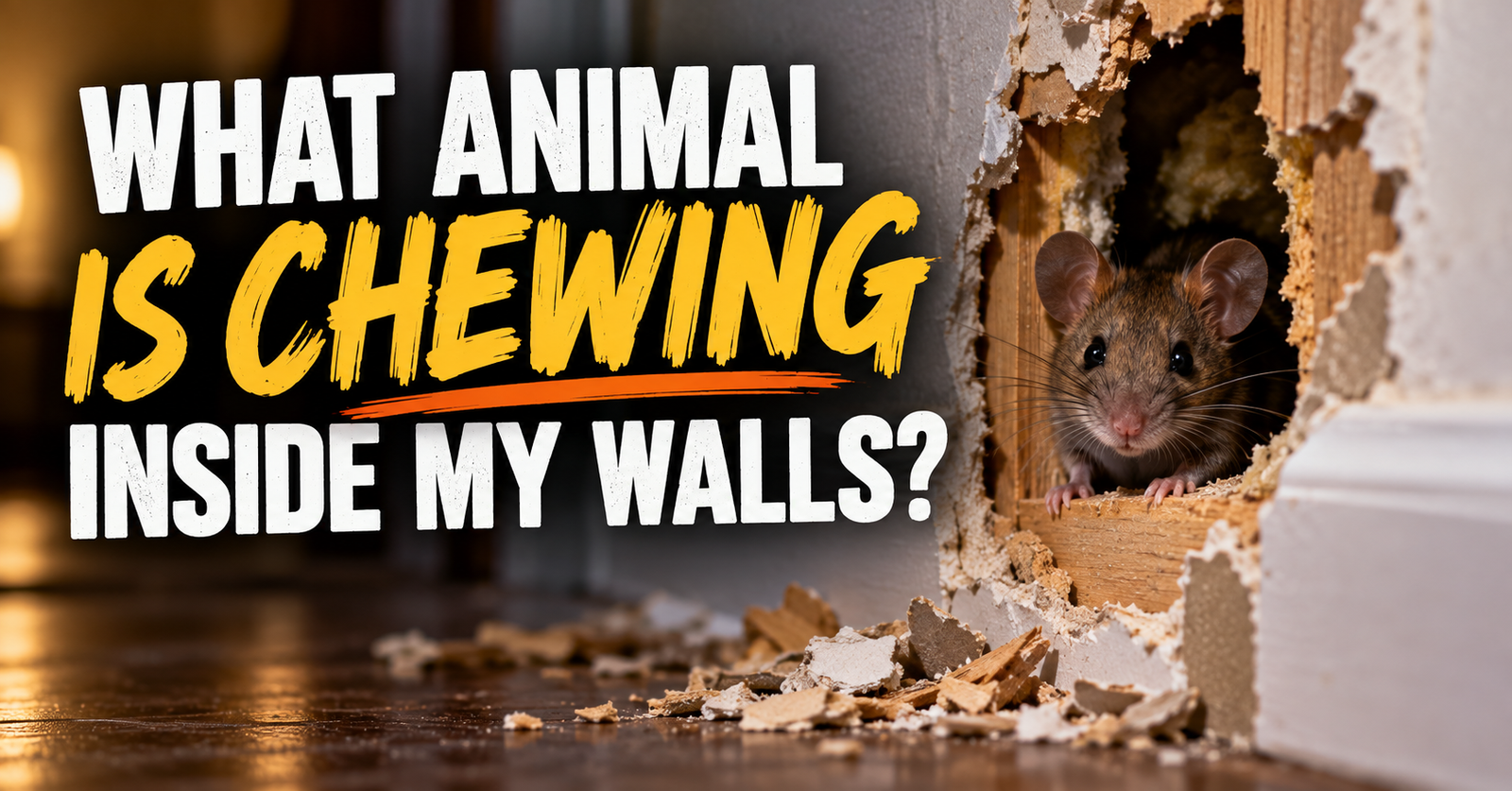


What If the Mouse Eats the Bait but Doesn’t Get Caught?
This is different from a completely untouched trap.
If the bait disappears, you’ve learned something useful:
Something is interacting with the trap.
Now I’d look at:
Bait amount.
How securely the bait is attached.
Trigger sensitivity.
Trap condition.
Trap size.
Placement.
For sticky bait such as peanut butter, use a small amount worked onto the bait area according to the trap’s instructions.
For solid bait, MU Extension recommends securing certain foods such as bacon to the trigger so the mouse can’t simply grab and leave.
Mistake #7: The Trap Is Facing the Wrong Way
For a traditional snap trap, CDC recommends putting the baited end directly next to the wall so the trap forms a T with it.
Why?
Because mice naturally travel along protected edges.
You want the mouse encountering the trigger as it follows its normal route.
If the trigger end faces away from the wall, you’ve made the mouse travel around the trap to interact with it.
Don’t make trapping harder than necessary.
Mistake #8: You Keep Moving the Trap Too Quickly
There’s another extreme.
No mouse on night one?
Move trap.
Nothing by lunch?
Move trap again.
Nothing tonight?
Different room.
Now you don’t know whether any location was actually good.
If the trap sits beside fresh mouse evidence, give the placement a reasonable chance.
If the area stays completely inactive while new droppings appear elsewhere, then move it.
Make changes based on evidence, not impatience.
Are Mice Actually Afraid of New Traps?
They can become cautious after bad experiences, but I wouldn’t assume ordinary house mice have the same intense fear of new objects often associated with rats.
CDC notes that rats in particular can be cautious around new traps, while house mice and deer mice are generally less cautious and may be trapped more quickly.
So if a brand-new mouse trap remains untouched, my first assumption isn’t:
“Trap-shy mouse.”
It’s:
“Is this trap even on its route?”
That’s a much more useful question.
Mistake #9: The Mouse Had a Bad Experience With the Trap
This is where genuine trap avoidance becomes more plausible.
Maybe the trap fired but missed.
Maybe the mouse stole bait several times.
Maybe something about the setup taught it that this object isn’t worth approaching.
MU Extension recommends an interesting technique when trap shyness becomes a problem:
Prebait the trap.
Leave the trap baited but unset until the mouse takes the bait.
Then rebait and set it.
That lets the mouse interact with the trap without the trap firing.
How I Would Prebait a Mouse Trap
Follow the manufacturer’s instructions, but conceptually the process is simple.
Put the trap in the active location.
Add a small amount of bait.
Leave the trap unset.
Monitor it.
If the bait disappears, you now know the mouse is comfortable enough to approach and feed.
Rebait.
Then set the trap properly.
I wouldn’t automatically prebait every mouse trap in the house.
House mice are often caught without it.
I’d save this technique for a situation where the evidence suggests the mouse is interacting with or avoiding a particular trap setup.
What If the Mouse Walks Around the Trap?
That tells you the route may be right but your interception could be better.
Look closely at the physical layout.
Can the mouse simply go around?
Is the trap slightly too far from the wall?
Is clutter creating another protected route?
Could two traps better cover both directions of travel?
MU Extension recommends positioning traps so mice following their normal course of travel pass directly over the trigger.
Don’t just put the trap near the mouse route.
Intercept it.
What If the Mouse Jumps Over the Trap?
Again, look at the setup.
Paired traps can sometimes improve interception on established rodent runways.
The goal isn’t to build an obstacle course.
It’s to arrange traps so the mouse following its normal route has a strong chance of contacting a trigger.
If you repeatedly see a mouse avoiding one exact setup, change the arrangement rather than simply adding more bait.
Try an Enclosed Trap if That Better Fits Your House
Some people don’t like exposed snap traps.
Or they need something more enclosed for a particular indoor location.
The OWLTRA OW-2 Indoor Electric Mouse Trap 2-Pack is the enclosed electronic option we’ve been using in this cluster.

Check the OWLTRA OW-2 Indoor Electric Mouse Trap 2-Pack on Amazon
I wouldn’t buy it simply because one wooden trap didn’t catch a mouse on the first night.
First fix your placement.
But if you prefer an enclosed electronic design, it gives you another legitimate trapping approach.
Keep it inaccessible to children and pets and follow the manufacturer’s instructions.
Don’t Keep Buying New Traps Without Finding the Entry Point
This is where troubleshooting turns into long-term mouse control.
Suppose your traps work perfectly.
You catch five mice.
Two weeks later, you see another mouse.
Maybe the trap didn’t fail.
Maybe another mouse came inside.
Mice can squeeze through openings around 1/4 inch wide.
If you haven’t sealed the building, trapping can become an endless job.
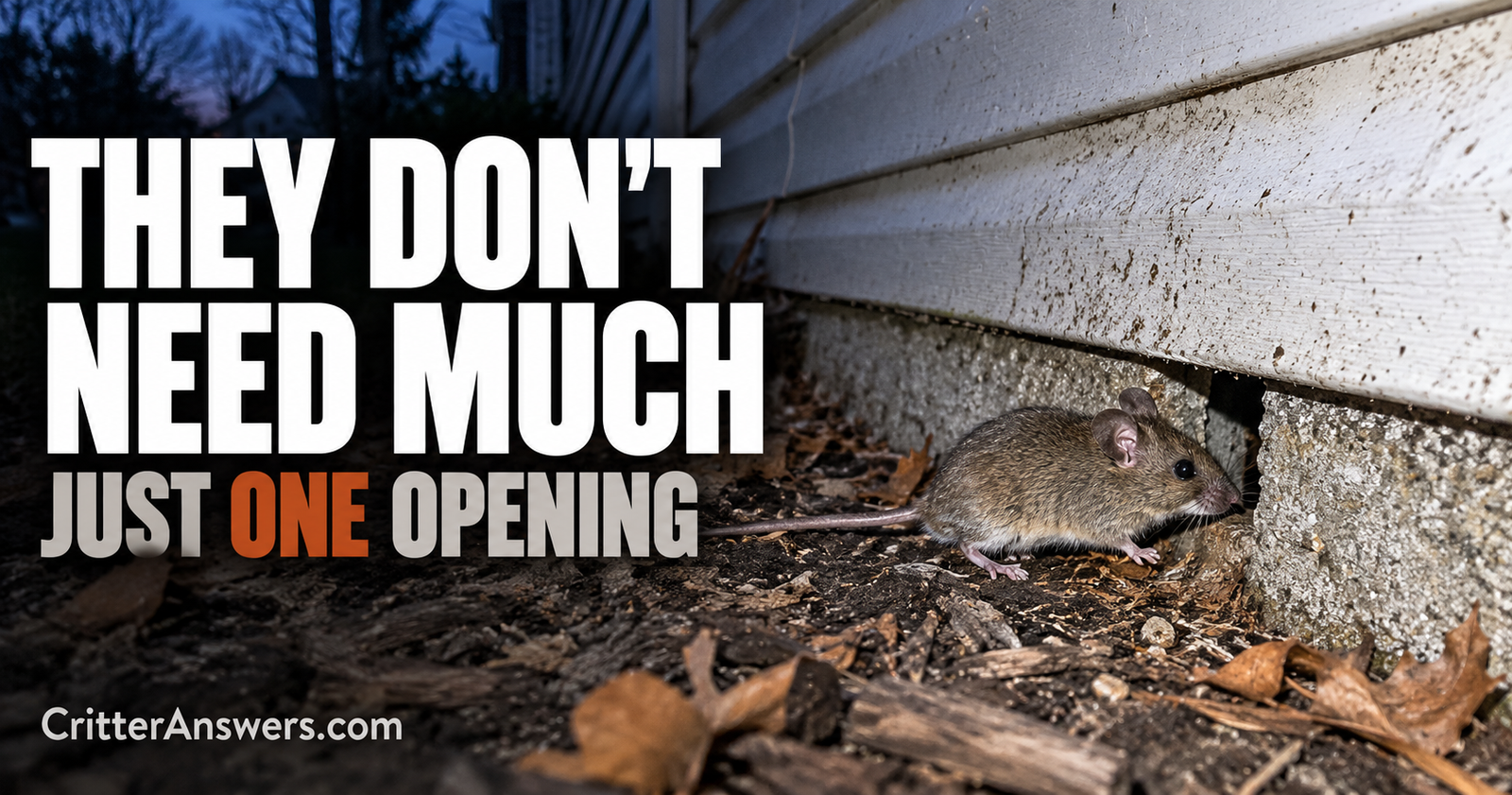
Our guide to how mice are getting into your house walks through the tiny gaps I’d inspect around plumbing, doors, garages, utilities, foundations, vents, crawl spaces, and rooflines.
Don’t Automatically Switch to Poison Because One Trap Isn’t Working
Poison has legitimate uses.
But I wouldn’t jump from:
“My trap hasn’t caught a mouse for two nights”
to:
“Time to put poison everywhere.”
First troubleshoot the trap.
CDC recommends traditional snap traps for household rodent removal and says poison or bait stations can be considered when infestations persist.
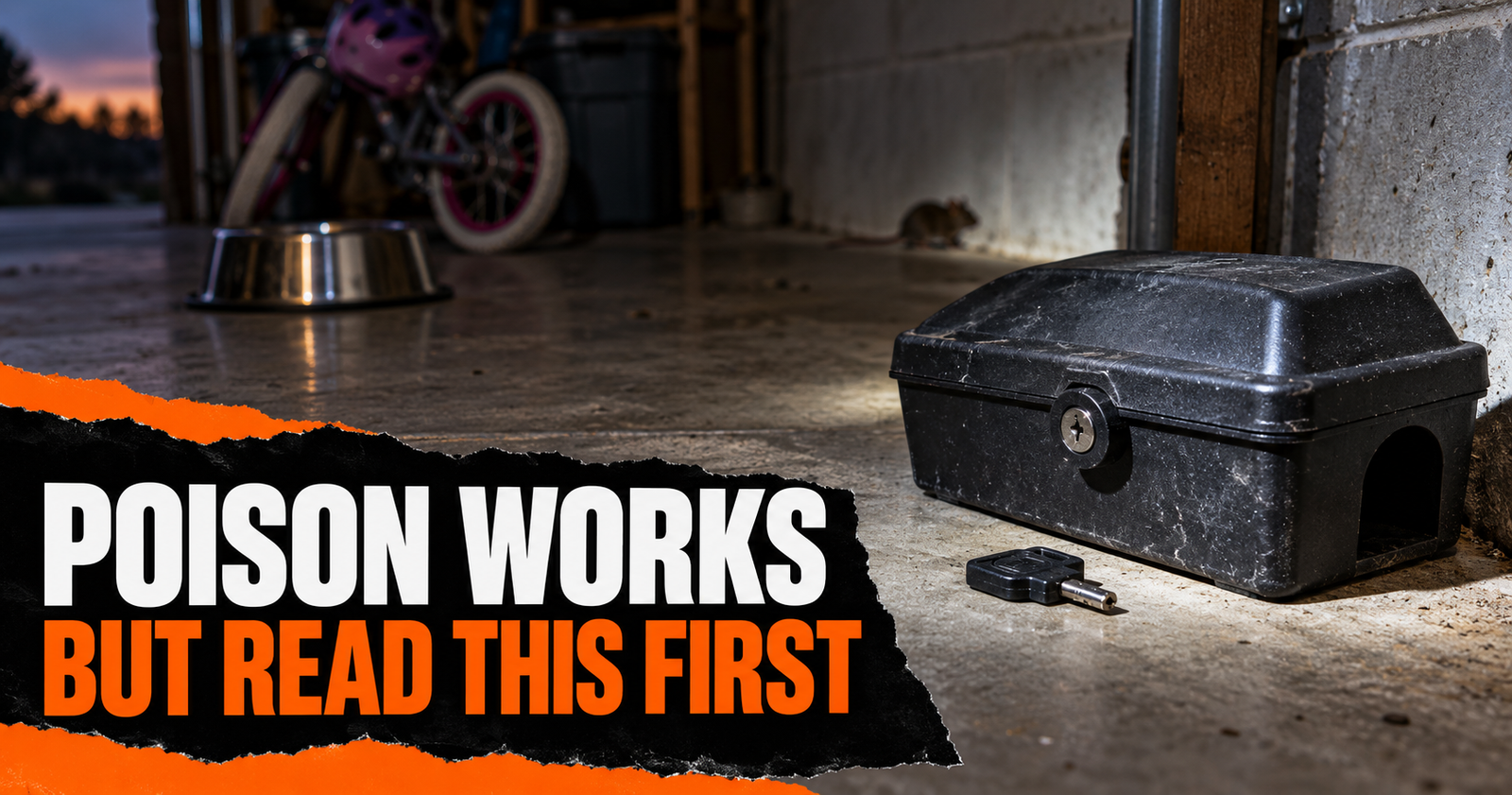
We’ve also already gone through the honest pros and cons of mouse poison.
The possibility of a mouse dying somewhere inaccessible is one reason I like traps indoors when they’re practical.
Your Mouse May Be Somewhere Else
This is surprisingly easy to miss.
You keep rebaiting the kitchen trap because that’s where you saw the mouse last Tuesday.
Meanwhile, fresh droppings are appearing in the pantry.
Follow the newest evidence.
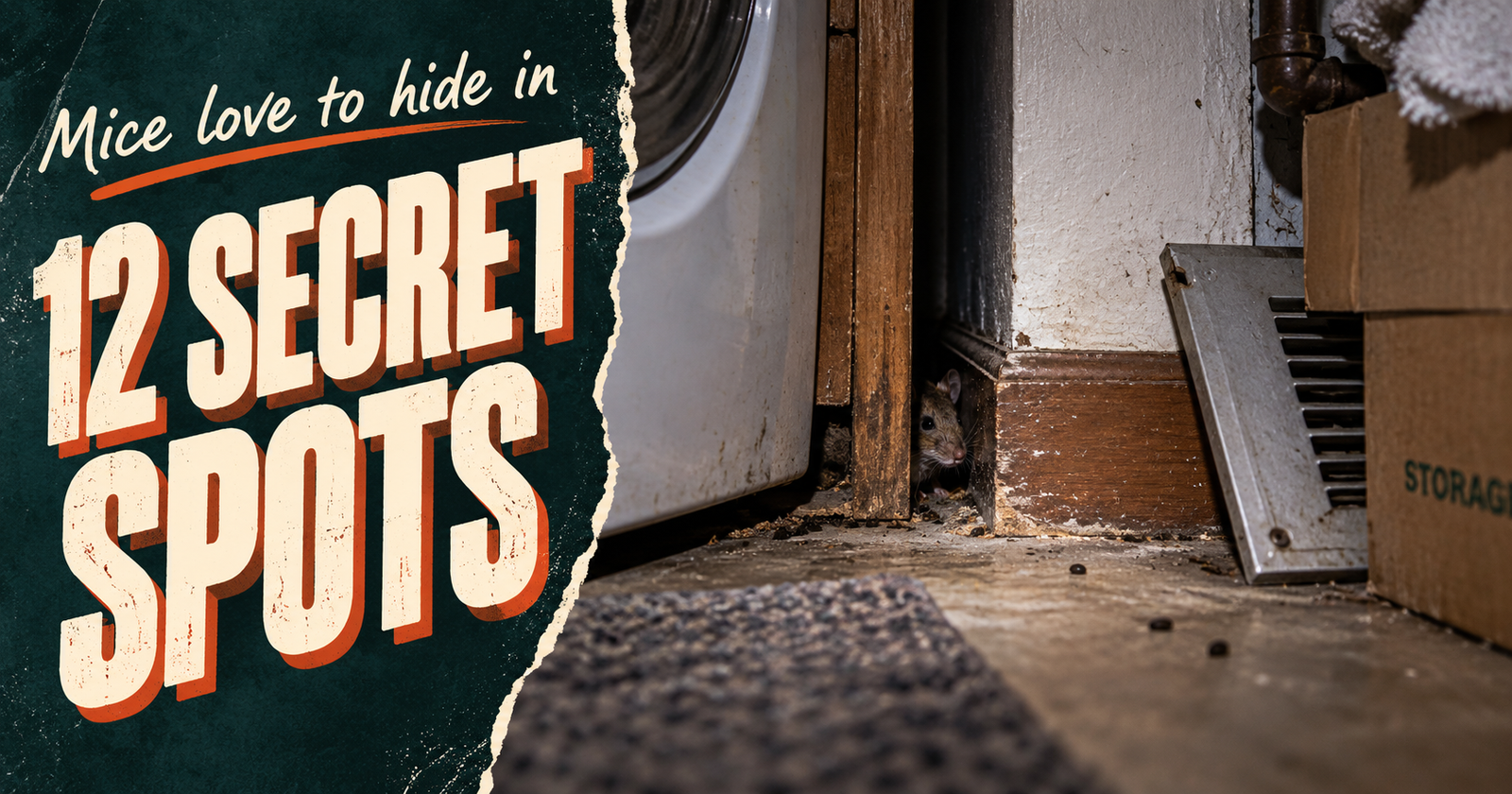
Our guide to where mice hide around a house can help you check behind appliances, cabinets, storage areas, garages, basements, attics, and other common hiding places.
Mouse activity isn’t required to stay in the location where you first noticed it.
What If None of Your Mouse Traps Catch Anything?
At some point, reconsider the identification.
Do you actually have mice?
If you have:
No mouse droppings.
No mouse sightings.
No mouse gnawing.
No captures.
No damaged food.
And only a mysterious scratching sound…
you may be trapping the wrong animal.
Critter identification should come before control.
Don’t spend three weeks trying to outsmart a mouse that was never there.
My Mouse Trap Troubleshooting Order
If mice are avoiding my traps, I would work through the problem in this order:
- Confirm current mouse activity.
- Move traps onto actual travel routes.
- Put traditional snap-trap triggers toward the wall.
- Use enough traps for the active area.
- Remove competing food.
- Use only a small amount of bait.
- Check trigger sensitivity and trap condition.
- If bait is stolen, secure it better and inspect the setup.
- If genuine avoidance develops, try prebaiting the trap unset.
- Keep looking for entry points while you trap.
Notice what’s not on that list:
Buy 14 different flavors of bait.
That’s because most mouse-trap failures are more useful to troubleshoot as a setup problem than a recipe problem.
An Empty Trap Is Telling You Something
Don’t treat every empty mouse trap as failure.
Look at how it’s empty.
Bait untouched and no fresh mouse evidence nearby?
You may be trapping the wrong location.
Bait gone but trap still set?
Check bait amount, attachment, and trigger setup.
Trap fired but mouse escaped?
Inspect the trap and placement before resetting it.
Mouse repeatedly appears somewhere else?
Follow the new activity.
Several properly positioned traps remain empty while droppings keep appearing?
Recheck your identification, routes, and setup.
That’s information.
Use it.
If you need multiple traditional traps to cover active routes, the Victor Metal Pedal Mouse Traps 12-Pack on Amazon is the multipack I’d consider.
If you’d rather use an enclosed electronic design, the OWLTRA OW-2 Indoor Electric Mouse Trap 2-Pack on Amazon is the alternative we’ve been using throughout this cluster.
But before buying another trap, fix the fundamentals.
Put the trap where the mouse actually goes.
That’s still the most important part.
And if you’re dealing with a larger mouse problem rather than one stubborn trap, our complete guide to getting rid of mice in your house for good ties trapping, exclusion, food control, cleanup, and monitoring together.
About the author: Caleb Rourke researches how mice and other rodents get into homes, where they hide, and the practical steps homeowners can use to identify and prevent them. He writes straightforward rodent-control guides for Critter Answers.