
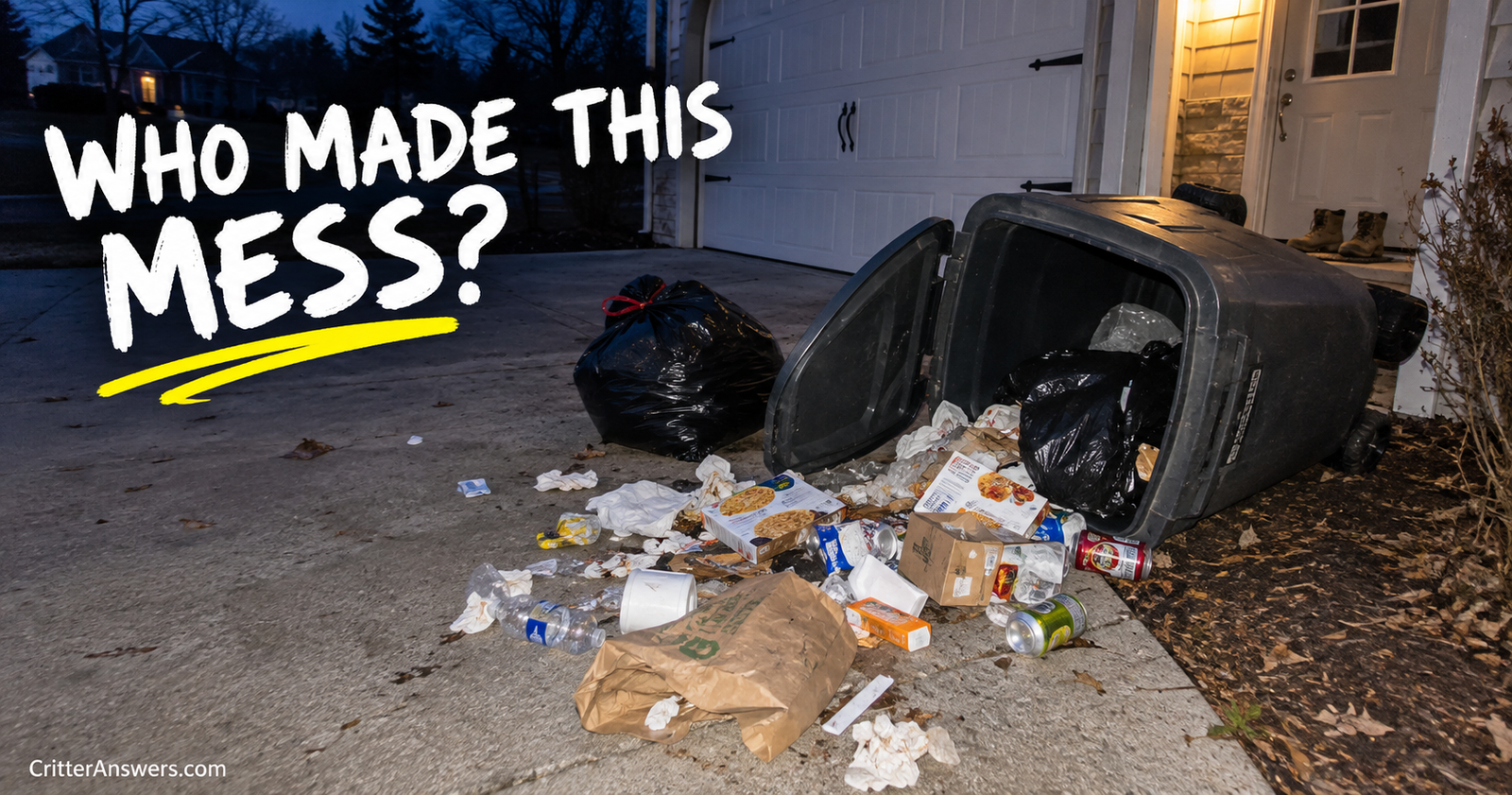
You put the trash out at night.
The lid is on.
The bags are tied.
Everything looks fine.
Then morning comes.
The can is on its side, one bag is halfway across the driveway, food wrappers are scattered through the grass, and something apparently spent the night conducting a full inventory of everything your family ate this week.
So what animal is getting into your trash at night?
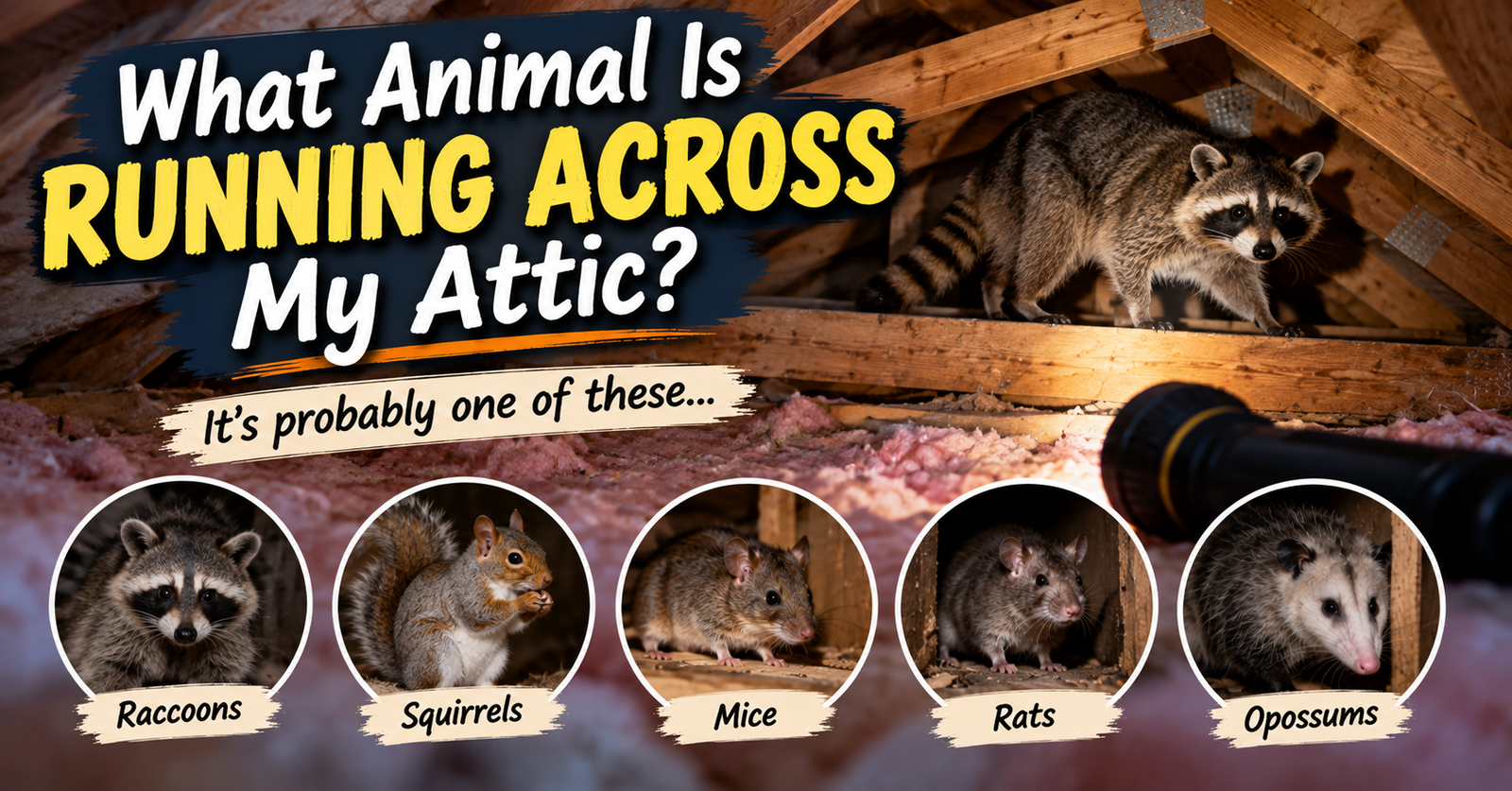
My first suspect for an overturned garbage can with food scattered around it would usually be a raccoon.
But raccoons aren’t the only animals interested in garbage.
Opossums, rats, mice, coyotes, stray or roaming dogs, and other animals can investigate household trash. In bear country, a black bear getting into garbage becomes an entirely different and potentially dangerous situation.
The mess itself can help you narrow it down.
Before cleaning everything up, look at how the animal got in.
Don’t Clean Up Until You’ve Read the Evidence
I know.
Nobody wants coffee while staring at a shredded garbage bag.
But give yourself five minutes before cleaning.
Look for:
- Whether the can was knocked over
- Whether the lid was removed
- Whether a latch was opened
- Holes chewed through the container
- Bags torn from the top
- Small holes gnawed into bags
- Trash carried away from the can
- Tracks
- Droppings
- Hair
- Muddy paw prints
- Scratch marks
- Tooth marks
- Other nearby damage
Take a couple of pictures.
Then clean it up.
If the animal returns the following night, you’ll have something to compare.
Raccoon Is My First Suspect for a Raided Garbage Can
There’s a reason raccoons have such a reputation for garbage cans.
They’re opportunistic omnivores that readily use human food sources.
University of Missouri Extension specifically lists tipping over trash cans and scattering garbage as evidence of raccoon activity.
That’s about as close as wildlife gets to leaving a calling card.
If your scene looks like this:
Can knocked over.
Lid off.
Bags opened.
Food scattered around.
I’d put raccoon near the top of the list.
Look for Those Long Raccoon Toes
Tracks can make the identification much stronger.
Raccoon prints are distinctive because of their long toes.
They can look surprisingly hand-like.
Mud around the garbage area is perfect for preserving tracks, especially if the animal walked through wet grass or soil before reaching the can.
Check:
Around the bottom of the trash can.
Beside spilled garbage.
Along the route toward a fence.
Near a porch or deck.
Around water.
Near any area where the animal could be hiding during daylight.
Don’t identify from one mangled footprint if you can find several better ones.
Raccoons Can Do More Than Tip Over the Can
A raccoon doesn’t necessarily need to knock everything over.
Depending on your container, it may be able to manipulate the lid or reach accessible bags.
That means a can that’s still upright doesn’t eliminate raccoon.
Instead, ask:
How difficult was this trash to access?
If the lid simply rests on top, lots of animals may investigate.
If something defeated a more secure closure without chewing through the container, that tells you something different.
And if the animal repeatedly succeeds, it has learned that your garbage can is a reliable food source.
That’s a habit I’d want to break quickly.
An Opossum Can Absolutely Visit Your Garbage
Opossums deserve a place on the list too.
They’re nighttime foragers with broad diets and will take advantage of easy food around homes.
University of California IPM specifically recommends tight-fitting garbage-can lids as part of making a property less attractive to opossums, along with removing outdoor pet food and fallen fruit.
So if you have a loose bag or an easily accessible can, an opossum is certainly possible.
But I’d look for more evidence before deciding.
Raccoon vs. Opossum Around the Trash
This is where tracks and camera footage become extremely useful.
Both animals are commonly active at night.
Both can eat a wide range of foods.
Both can appear around homes.
And both can leave a mess.
Don’t try to distinguish them based on the philosophical question of which animal “seems more likely to eat trash.”
Look for the animal.
Tracks can help.
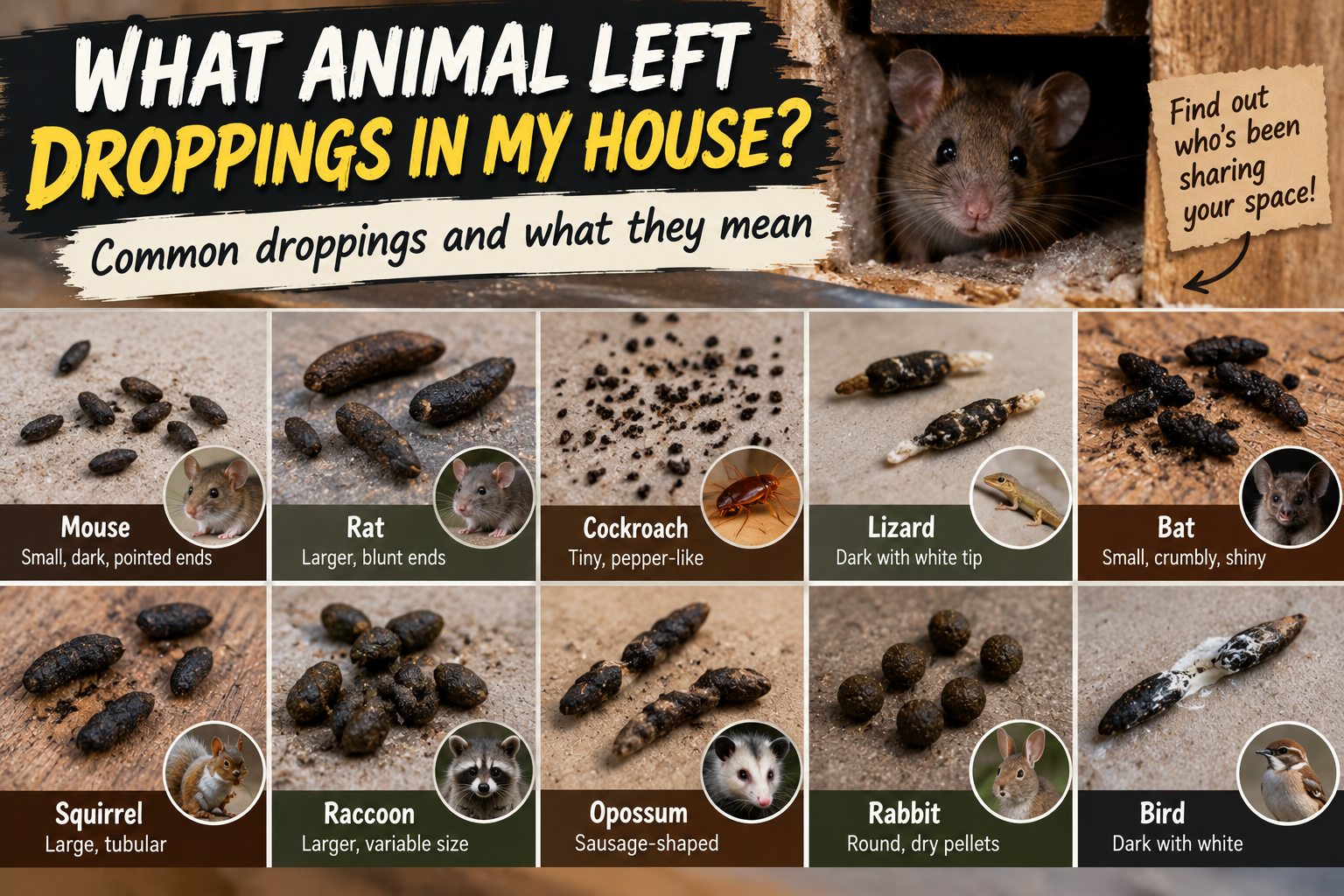
Droppings may help.
A trail camera can help a lot.
And if the same visitor returns repeatedly, getting a clear nighttime image usually settles the argument pretty quickly.
What About Rats?
Now the scene changes.
If the garbage can is lying on its side and the lid has been dragged six feet away, a rat wouldn’t be my first explanation.
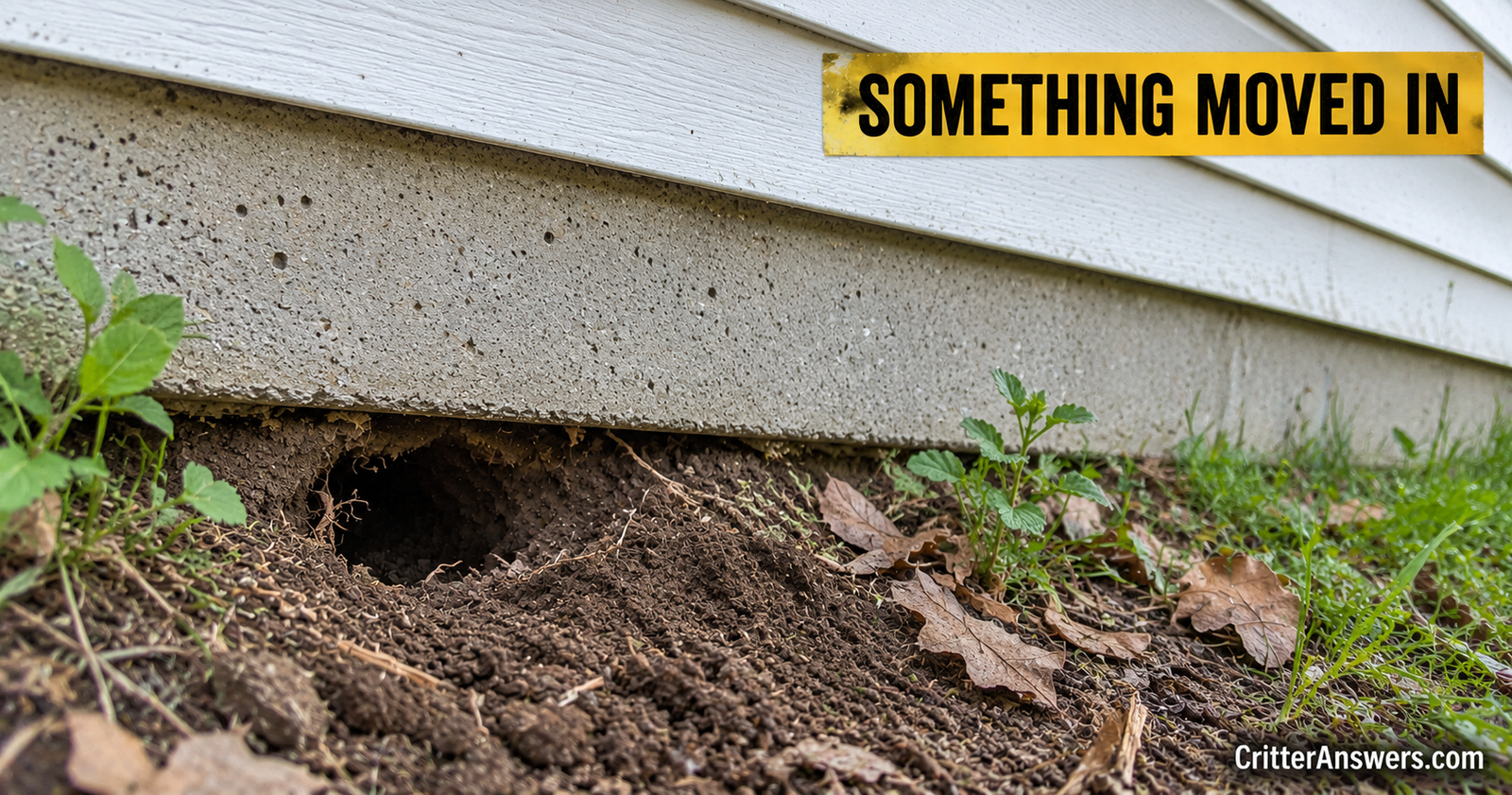
But if the trash remains upright and you’re finding small gnawed openings in bags or containers, rodents become much more interesting.
Rats don’t need to remodel the entire garbage area.
They need access to food.
Look for:
- Small gnawed holes
- Rodent droppings
- Greasy rub marks
- Gnawing around plastic
- Activity near walls or structures
- Burrows nearby
- Food disappearing without a huge mess
That’s a very different pattern from a large animal bulldozing the can.
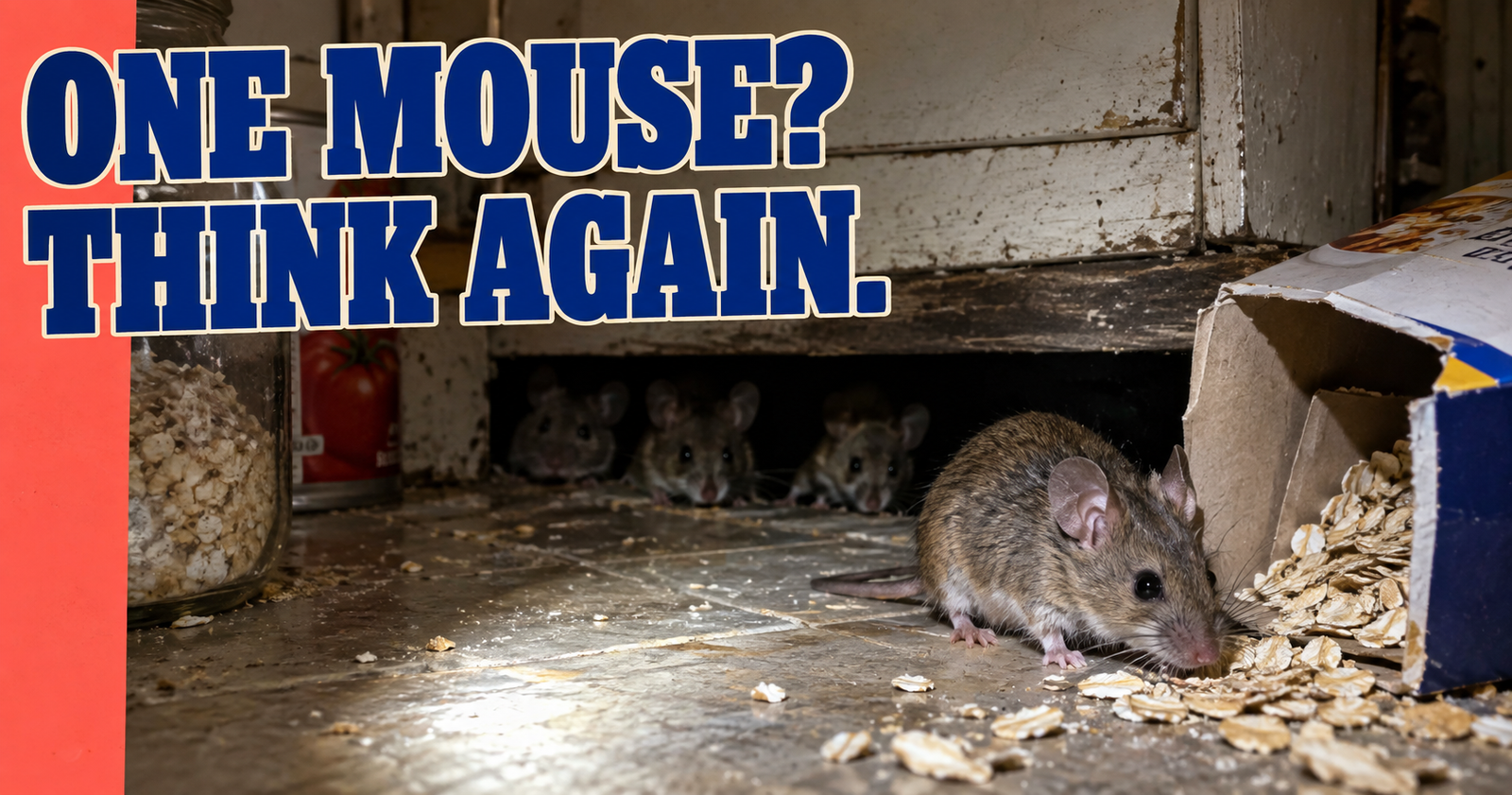
Mice Can Exploit Trash Too
Mice are even smaller.
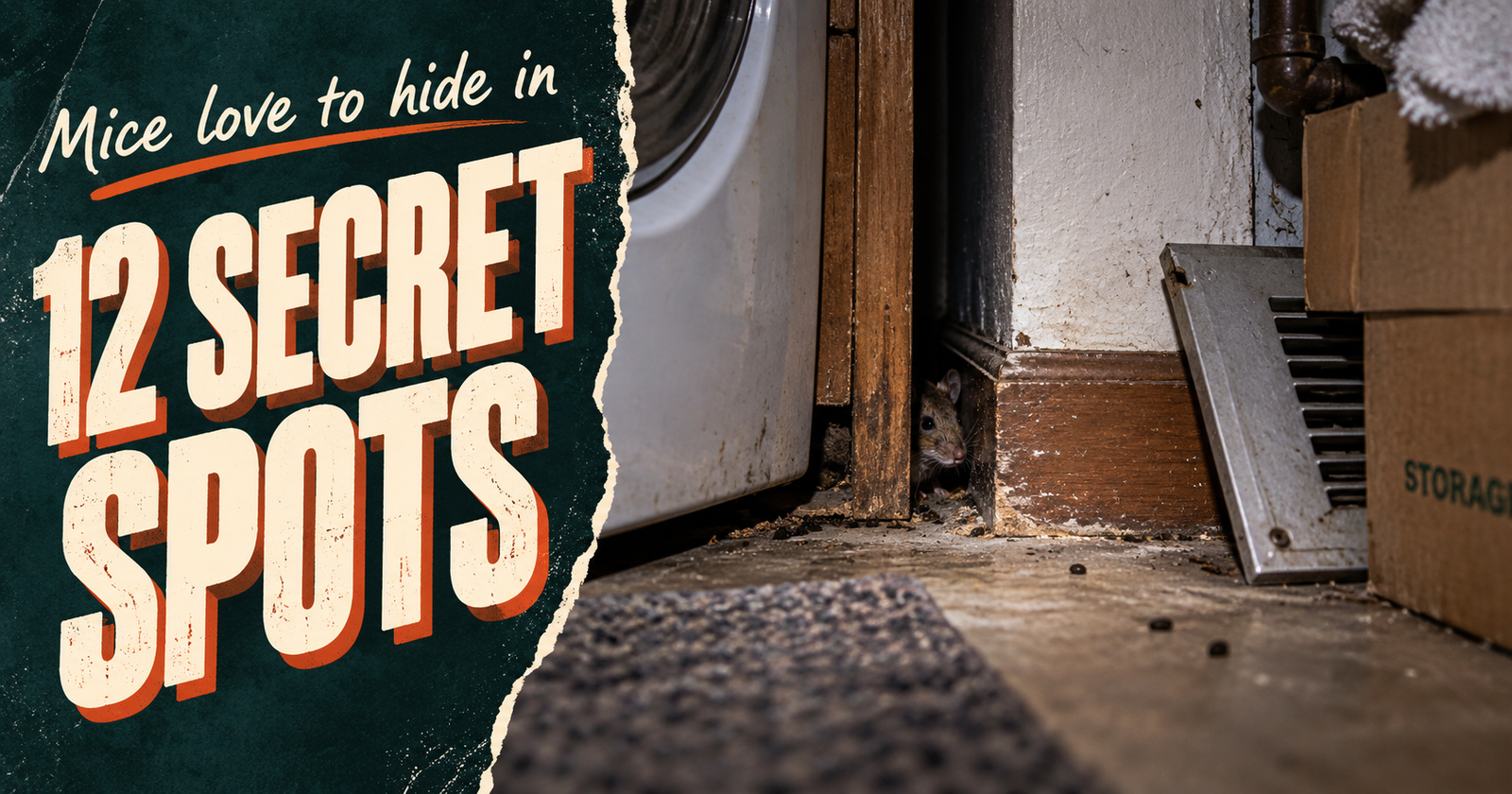
If bags are stored inside a garage, shed, basement, mudroom, or another enclosed area, mice may be able to access them without producing the dramatic outdoor garbage-can scene people associate with wildlife. Those indoor access points are worth comparing with other enclosed places mice hide.
That’s an important distinction.
Something destroyed my outdoor trash can overnight and something keeps chewing holes in garbage bags inside my garage may have completely different culprits.
Location matters.
Could It Be a Coyote?
Coyotes are opportunistic feeders, so I wouldn’t call household food waste irrelevant to them.
But I also wouldn’t blame every destroyed trash bag on a coyote simply because coyotes live nearby.
Look for stronger evidence.
A coyote track resembles a canine print.
Scat may contain fur, seeds, or other food remains depending on diet.
And a trail camera can tell you whether coyotes are actually visiting the garbage area.
If I had classic hand-like raccoon tracks surrounding a tipped can, I wouldn’t ignore them because someone heard coyotes the previous week.
Follow the evidence you actually have.
Don’t Forget Neighborhood Dogs
Not every nighttime garbage raider is wildlife.
A loose dog can make an impressive mess.
If trash bags are torn open and dragged around, check for canine tracks.
Ask whether neighborhood dogs roam.
Look at camera footage.
Sometimes the mysterious “wild animal” has a collar and lives three houses down.
That’s another reason I don’t like identifying garbage raiders from the mess alone.
If You Live in Bear Country, Take Trash Raiding Much More Seriously
A bear changes the situation.
If you live where black or grizzly bears occur and the damage is substantially larger than what you’d expect from a raccoon, don’t walk outside to investigate a noise beside the garbage can.
The U.S. Fish and Wildlife Service identifies unsecured garbage and human food as major sources of human-bear conflict and recommends keeping food and garbage secured in bear-resistant storage.
Bear-country wildlife agencies also recommend waiting until the morning of collection to put garbage at the curb when possible.
If you suspect a bear, think safety and attractant removal, not “how close can I get for a picture?”
What Does Bear Garbage Damage Look Like?
Don’t expect subtlety.
A bear is much larger and stronger than the other animals we’ve discussed.
A damaged container, substantially displaced garbage, repeated bear sightings, large tracks, or other large-scale damage should get your attention.
But don’t rely only on destruction.
A bear can access an easy food source without completely annihilating everything around it.
If you’re in bear country, use:
- Tracks
- Camera footage
- Direct sightings from a safe distance
- Other neighborhood reports
- Additional property damage
And if you actually see a bear, keep your distance.
Don’t approach it at the garbage can.
Trash Is More Than a Mess in Bear Country
This is why securing garbage matters so much.
An animal repeatedly obtaining human food can learn that homes are productive feeding locations.
That’s particularly serious with bears.
Once wildlife associates houses and people with food, the conflict can become much harder to solve.
So in bear country, don’t treat a garbage raid as merely:
Well, I guess I’ll pick this up again.
Secure the attractant.
What About Skunks?
Skunks are nighttime omnivores and may investigate human food sources.
But if my only evidence is an overturned garbage can with trash widely scattered, raccoon remains a stronger starting suspect.
If I also have:
- Skunk odor
- Skunk tracks
- Shallow lawn digging
- A suspected den beneath the shed
- Camera footage
then the picture changes.
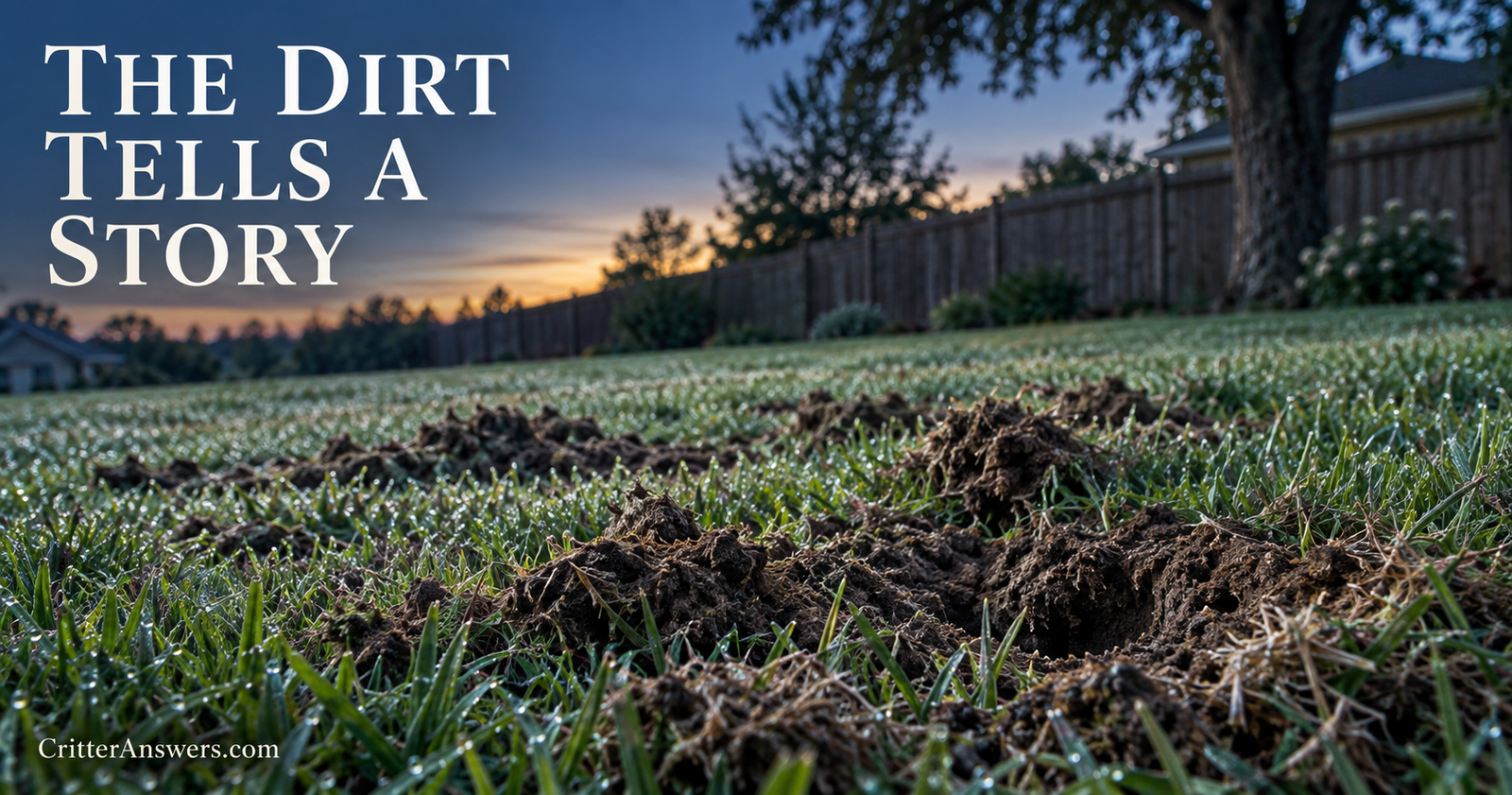
Remember our last article about identifying what is digging up the lawn at night?
This is where separate clues around the same property can reinforce each other.
Mystery holes plus garbage plus tracks tell you more than garbage alone.
The Trash May Tell You What the Animal Wanted
Look at what was actually eaten.
Was the animal after:
Meat scraps?
Fruit?
Pet food packaging?
Grease?
Bread?
Leftovers?
The contents don’t always identify the species because many nuisance animals have broad diets.
But selective feeding can still be useful supporting evidence.
More importantly, it tells you what keeps rewarding the visitor.
If the same animal gets a meal every Tuesday night, don’t be surprised when it remembers trash night.
How Far Was the Garbage Moved?
This is another clue I’d note.
A tiny rodent chewing into a bag generally creates a different scene from a larger animal dragging food around the property.
Look at:
- How far bags moved
- Whether the entire can moved
- Whether the lid was carried away
- Whether heavy objects shifted
- Whether individual food items were carried elsewhere
This isn’t enough for a positive identification.
But it helps establish the size and strength of the animal you’re dealing with.
Look at the Trash Can Itself
Don’t just study the spilled food.
Study the container.
Is it:
Tipped?
Scratched?
Chewed?
Cracked?
Lid removed?
Latch manipulated?
Bag pulled through a gap?
If the animal repeatedly defeats the same weak point, fixing that weak point may solve the problem without doing anything to the animal.
That’s where I would focus first.
Tracks Around a Trash Can Can Be Excellent
Garbage cans often sit on or near surfaces that preserve evidence well.
Maybe the can is beside:
- Dirt
- Gravel
- Mulch
- Mud
- Dust
- A garden bed
- Wet grass
Check those areas.
If you aren’t getting useful tracks but the raids happen repeatedly, a wildlife camera is probably easier than trying to become a forensic footprint expert from one smudge in the driveway.
A Trail Camera Can Solve This in One Night
This is one of the easiest mystery-critter situations to monitor.
The animal is coming to a predictable location.
Point the camera at the garbage.
Then wait.
You may get:
11:18 p.m. — opossum walks by.
1:04 a.m. — raccoon climbs onto can.
1:07 a.m. — raccoon removes lid.
Mystery solved.
Better yet, the footage shows how the animal defeats your setup.
That’s extremely useful when deciding how to prevent another raid.
Don’t Put Food Out to “See What Comes”
You already have an attractant.
It’s called garbage.
I wouldn’t intentionally scatter extra food around the cans to identify the visitor.
That can attract additional animals and teach wildlife that the area is even more productive.
Use a camera.
Use tracks.
Use the damage.
You don’t need to turn your driveway into a wildlife buffet.
Why Does the Same Animal Keep Coming Back?
Because it worked.
That’s really the answer.
Wildlife doesn’t understand “trash.”
It understands:
Food was here.
If an animal knocks over your can and gets a high-calorie meal, that location has value.
If it happens again the next week?
Even better.
That’s why repeated access is something I want to stop rather than simply cleaning the mess each morning.
The goal isn’t to scare the animal away for one night.
The goal is to make the food unavailable.
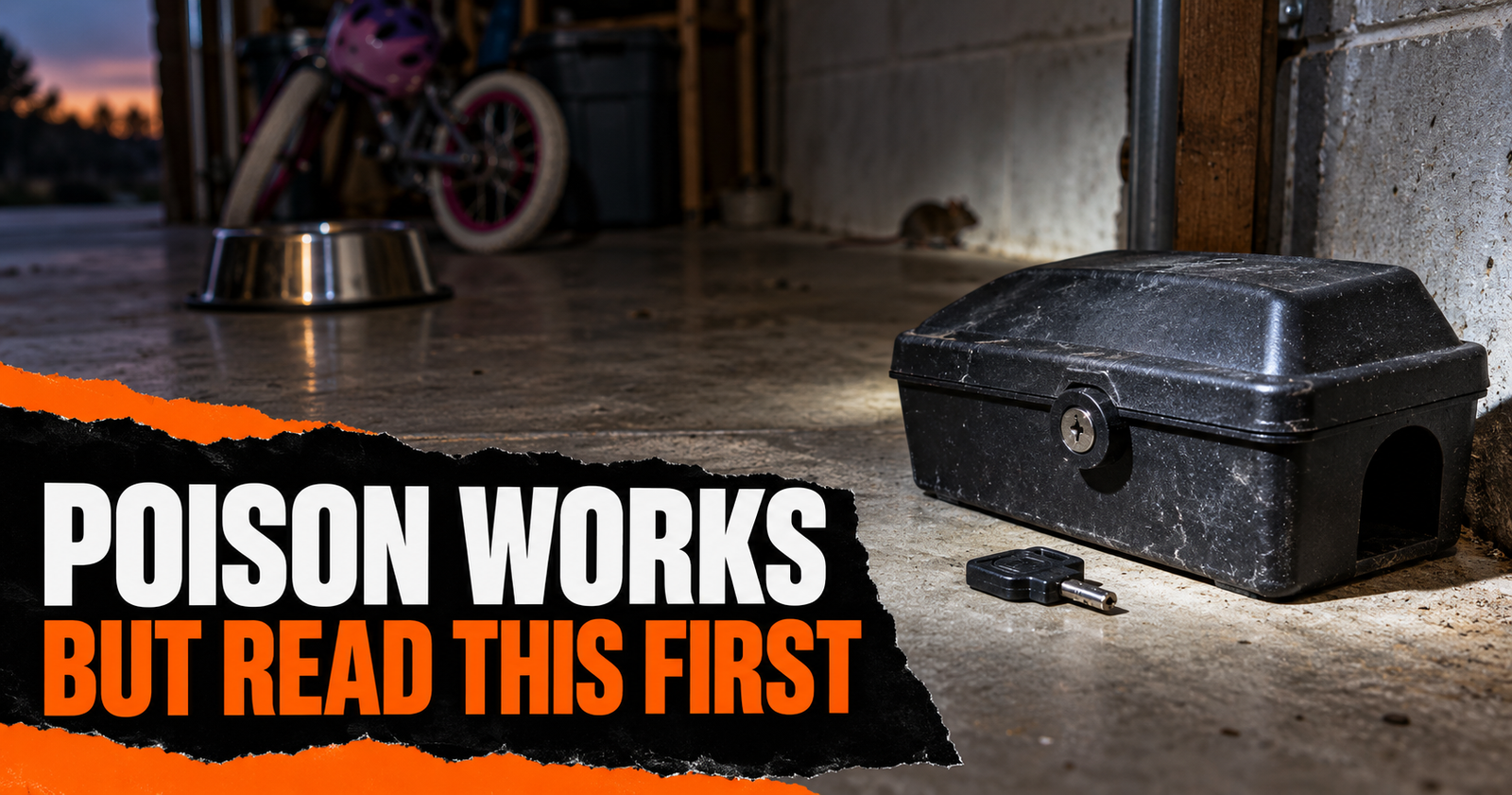
Start by Securing the Lid
For raccoon-type garbage problems, this is the obvious first move.
MU Extension recommends tight-fitting lids and securing garbage cans so raccoons cannot overturn them or gain access.
The exact solution depends on your trash service and container.
Possible approaches include:
- A genuinely secure locking lid
- Approved straps or latches
- Securing the can so it cannot tip
- Storing it inside a secure structure
- Using a wildlife-resistant container
But make sure whatever modification you make still works with your garbage collection service.
A wonderfully raccoon-proof trash can isn’t very useful if the garbage truck can’t service it.
Don’t Assume a Heavy Rock Is the Ultimate Raccoon Lock
Weight can help in some setups.
But raccoons are persistent and dexterous.
I’d rather have a lid that actually secures to the container than rely entirely on balancing something heavy on top.
And in bear country, improvised raccoon-level solutions may be nowhere near sufficient.
Use equipment appropriate for the wildlife pressure where you live.
Put Trash Out in the Morning When You Can
If pickup isn’t until tomorrow morning, why give wildlife all night to work on the can?
Where practical and allowed by your collection schedule, putting garbage out the morning of pickup dramatically reduces the time it’s available to nighttime animals.
This is especially emphasized in bear-country guidance.
Florida wildlife officials, for example, recommend putting trash cans curbside on the morning of pickup rather than the night before.
Sometimes the best wildlife deterrent is simply reducing the opportunity.
Store Garbage Inside a Secure Structure
If practical, this can be even better.
A closed garage, sturdy shed, or other appropriate secure structure can prevent wildlife from reaching the cans between pickups.
But “inside” only works if the structure actually excludes the animal.
A loose shed door that raccoons can open isn’t much of a security upgrade.
And in bear country, a screened porch or flimsy enclosure should not be considered secure storage.
Reduce the Smell Too
Wildlife often finds food with its nose.
So besides physically securing garbage, reduce odor where practical.
Tie food waste inside bags.
Keep the can reasonably clean.
Don’t leave meat scraps stuck to the inside for weeks.
Clean up spilled liquids.
And don’t pour cooking grease outside.
You probably won’t make household trash odorless.
You don’t need to.
You need to stop advertising dinner and then leaving the restaurant unlocked.
Pet Food Can Be Part of the Same Problem
This is a big one.
You secure the garbage perfectly.
But a bowl of dog food sits ten feet away all night.
The property is still providing food.
Both raccoon and opossum management guidance recommends removing outdoor pet food at night.
Bear agencies say the same thing in bear country.
If an animal already visits your yard for pet food, discovering the garbage is a very small next step.
Bring the bowls in.
Bird Feeders Can Keep Wildlife Coming Back Too
Bird feeders aren’t only feeding birds.
Seed falls.
Squirrels find it.
Chipmunks find it.
Raccoons can find it.
Rodents find it.
And in bear country, bird feeders can become significant attractants.
If nighttime wildlife problems keep occurring, look at the entire feeding environment around the house instead of focusing on the trash can in isolation.
Compost Can Smell Like Dinner
Food scraps in an accessible compost pile can create another attractant.
If you’re having repeated wildlife trouble, evaluate what goes into the compost and how securely it’s managed.
Again, the goal isn’t merely:
protect garbage.
It’s:
stop giving the animal reasons to visit this part of the property.
Fallen Fruit Is Easy to Forget
Apple tree?
Pear tree?
Peach tree?
Other fruit dropping onto the ground?
Wildlife doesn’t care whether you intentionally provided it.
Fallen fruit is food.
UC IPM specifically recommends continually removing fallen fruit as part of reducing opossum attraction around homes.
It’s also worth considering for other omnivorous wildlife.
Walk the whole property.
Your trash may only be one item on tonight’s menu.
Should I Use Ammonia, Bleach, or Other Strong Smells?
I wouldn’t build my solution around homemade odor repellents.
The physical fix is much more convincing:
Make the food inaccessible.
If an animal gets rewarded with garbage, a weird smell beside the can may not overcome the food reward.
And don’t mix household chemicals trying to create a super-repellent.
Some combinations can produce dangerous fumes.
Secure the container instead.
What About Motion Lights?
They may temporarily startle some animals.
I wouldn’t trust a motion light as the primary solution to a food source.
Wildlife can become accustomed to predictable disturbances, particularly when food is waiting on the other side.
A secure lid still works when the animal stops caring about your porch light.
What About Motion Sprinklers?
These can sometimes be useful as an additional deterrent in appropriate locations.
But again, I’d treat them as secondary.
If the trash is accessible, fix the trash.
If the animal can’t get the food, you’ve changed the reward.
That’s much more important than surprising it with water.
Should I Trap the Animal Getting Into My Trash?
Not as my first response.
This is exactly where people jump too quickly from:
raccoon knocked over can
to:
buy trap.
But what happens after you remove that raccoon?
The garbage is still accessible.
Another raccoon can find it.
An opossum can find it.
A dog can find it.
The attraction remains.
For a garbage problem, securing the garbage is usually the first thing I’d fix.
Our Small Live Trap Isn’t Automatically the Answer Here
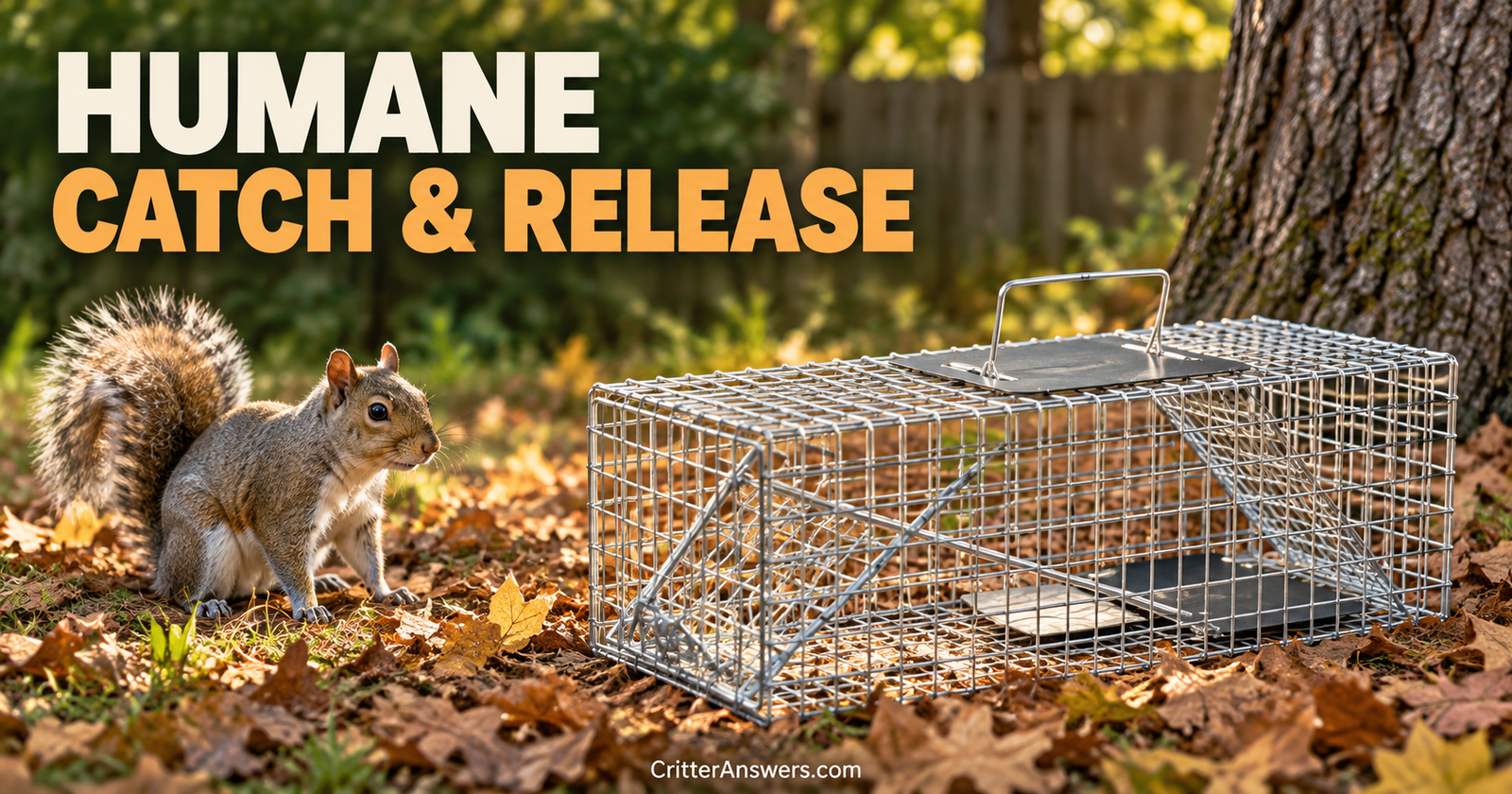
We recently covered a humane live cage trap for squirrels and similarly sized small animals.
I’m mentioning it here mostly to tell you not to automatically use it.
If your garbage raider is a raccoon, bear, coyote, large opossum, or another animal outside the trap’s intended size range, that’s the wrong equipment.
Identify first.
Then decide whether trapping is legal, appropriate, and necessary.
Don’t choose the animal-control method before you know the animal.
If You Do Trap Wildlife, Know What Comes Next
Live trapping comes with responsibilities.
Rules vary by species and location.
Relocation may be restricted or prohibited.
Dependent young may be present.
A captured animal needs appropriate monitoring and protection from dangerous conditions.
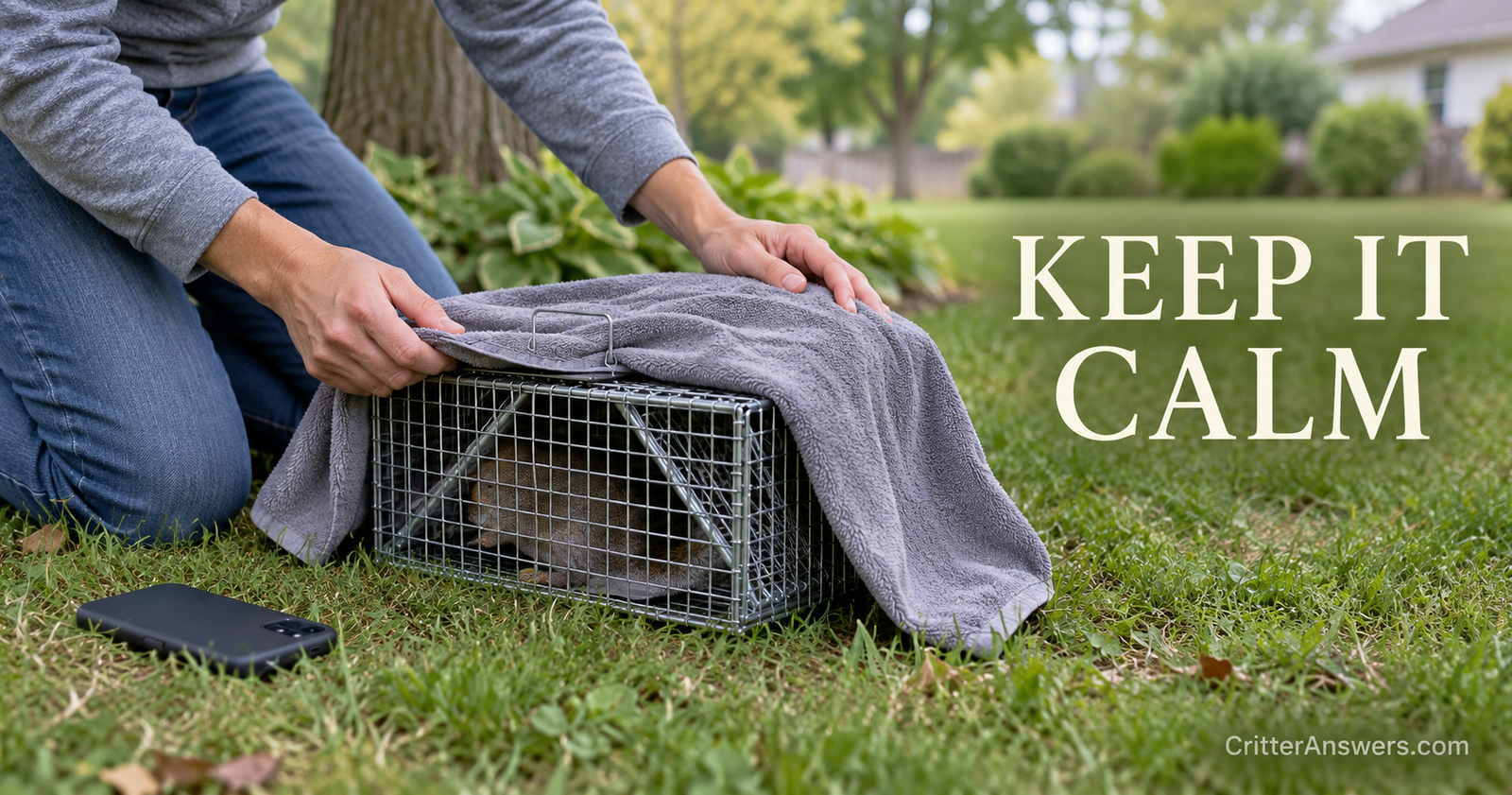
If trapping becomes part of your solution, read what to do after catching an animal in a live trap before setting the cage.
That’s much better than trying to figure everything out after the door closes.
Don’t Corner a Raccoon at the Garbage Can
If you walk outside and catch the culprit in the act, give it space.
Don’t trap it between yourself and a fence.
Don’t send your dog after it.
Don’t reach for it.
Don’t try to physically remove it from the can.
Wild animals can defend themselves when cornered.
Back away and let the animal leave.
Then fix the garbage setup after the area is clear.
If You Suspect a Bear, Treat It Differently
This deserves repeating.
Don’t walk toward a bear to protect a bag of garbage.
Don’t corner it.
Don’t approach for a photograph.
Don’t send pets outside.
Follow current bear-safety guidance for your location and report conflicts when your wildlife agency recommends doing so.
The U.S. Fish and Wildlife Service recommends keeping a substantial distance from bears and securing garbage and other attractants in bear-resistant storage.
Your garbage isn’t worth getting hurt over.
Clean Up the Mess Thoroughly
Once the animal is gone and it’s safe to do so, clean up the scattered garbage.
Food residue left in the grass is still food.
Pick up:
- Wrappers
- Bones
- Packaging
- Food scraps
- Grease-contaminated material
- Spilled pet food
- Anything else edible
Then address the container itself.
Otherwise tonight’s visitor may simply return to yesterday’s leftovers.
Don’t Ignore Droppings Around the Garbage Area
If you find animal feces, don’t handle it bare-handed.
Some wildlife feces can carry parasites or pathogens.
Raccoon feces deserve particular caution because they can contain eggs of the raccoon roundworm Baylisascaris procyonis.
If you find repeated raccoon feces concentrated in one location, treat it as more than an identification clue.
Avoid casual handling and follow appropriate public-health cleanup guidance.
The Best Fix Is Usually Boring
People want the clever solution.
A special spray.
A sound machine.
A trick.
A secret bait.
For garbage raiding, the strongest solution is usually painfully boring:
Make the garbage inaccessible.
Secure lid.
Secure can.
Remove pet food.
Clean spilled food.
Manage compost.
Pick up fallen fruit.
Reduce other attractants.
Put trash out closer to pickup time.
That’s not exciting.
It works because it attacks the reason the animal came.
My Nighttime Trash-Raider Cheat Sheet
If I walked outside to a mess tomorrow morning, here’s how I’d start reading it.
Can tipped over, lid removed, food widely scattered, long hand-like tracks:
Raccoon jumps near the top of my list.
Accessible garbage disturbed with opossum tracks or camera evidence:
Opossum becomes a strong possibility.
Small gnawed holes, rodent droppings, little overall movement of the can:
Start thinking rats or mice.
Canine tracks and bags dragged around:
Consider a roaming dog or potentially another canid depending on the evidence.
Large-scale damage plus large tracks in established bear country:
Treat bear as a serious possibility and follow local bear-safety guidance.
No useful clues at all:
Put up a camera before guessing.
The mess can narrow the suspects.
The camera can finish the job.
Make Tonight’s Trash a Dead End
The best outcome isn’t catching the animal.
It’s the animal returning tonight and learning:
There’s nothing here for me anymore.
That’s what I want.
Not a raccoon moved somewhere else while the garbage remains wide open.
Not one opossum removed while the pet bowl stays outside.
Not a motion light flashing while an animal eats dinner underneath it.
Identify the visitor from the damage, tracks, droppings, and preferably camera footage.
Then remove the reward.
If the garbage stays secured night after night, there’s far less reason for the animal to keep making your house part of its route.
And tomorrow morning, hopefully the only thing beside your trash can is your trash can.
About the author: Nolan Mercer researches the tracks, feeding damage, droppings, entry points, and other clues wildlife leaves around homes. At Critter Answers, he focuses on identifying the animal behind the problem before deciding how to stop it.