
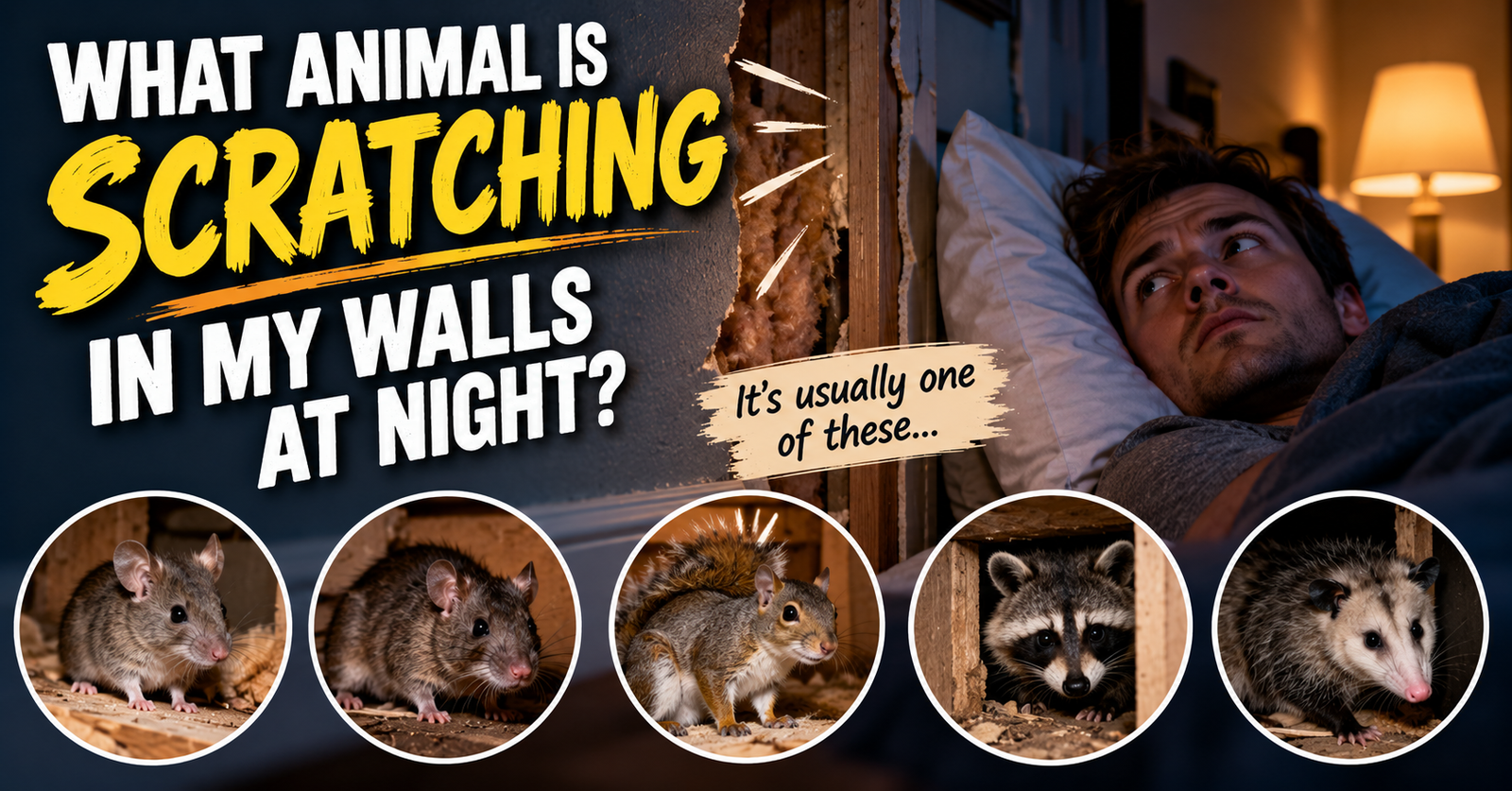
If you’re hearing scratching in your walls at night, mice or rats are two of the first animals I would consider, especially when the sounds are light, fast, repetitive, or mixed with gnawing. But they’re not the only possibilities. Squirrels, bats, birds, and occasionally larger wildlife can create noises that seem to come from inside a wall. When the noise includes chirping, chirping sounds inside a wall explains which animals and non-animal causes deserve consideration.
The sound itself usually isn’t enough to identify the animal. What helps much more is combining the time of night, location of the noise, how heavy it sounds, whether you hear chewing, and any droppings or damage you can find nearby. If chewing is part of the pattern, whether you hear chewing explains how to weigh that clue alongside location and physical evidence.
If you’re completely unsure what you’re dealing with, I recommend starting with my broader guide to identifying what critter is in your house. It walks through the other clues that become especially useful when a scratching noise isn’t enough to narrow things down.
Why Animals Scratch Inside Walls
A wall cavity can provide an animal with something your living room obviously doesn’t: a hidden route through the house.
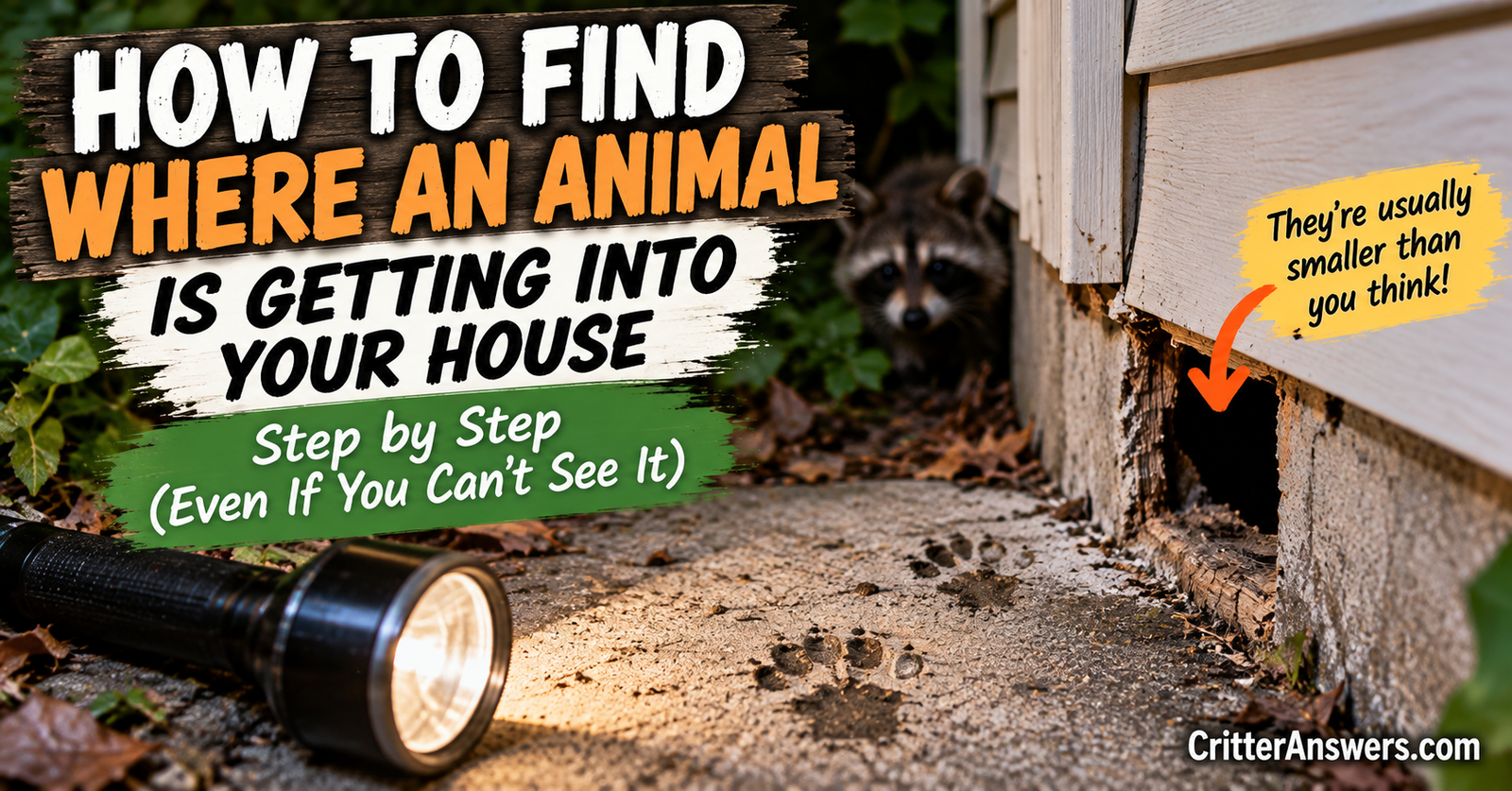
Depending on the animal and construction of the home, wall cavities may connect areas near the foundation, basement, crawl space, attic, roofline, plumbing penetrations, and other openings. These connected spaces are why a systematic exterior inspection can be more useful than searching only beside the room where the noise is heard; connected areas inside the house explains how to trace the likely route back to an entrance.
The animal you hear may be:
- Traveling through the wall.
- Gnawing on something.
- Building or using a nest.
- Climbing inside the cavity.
- Trying to get out of a confined area.
- Moving between a food source and shelter.
That’s why I wouldn’t assume that scratching means an animal is actually nesting in that exact spot.
It may simply be passing through.
Mice Are One of the First Things I Would Check
Light nighttime scratching inside a wall makes mice one of my first suspects.
Mice are small enough to use spaces inside and around houses that larger animals cannot. They can travel along hidden routes behind cabinets, around utility penetrations, between floors, and through wall cavities.
The sounds can include faint scratching, quick scurrying, gnawing, and short bursts of movement.
The noise may stop completely for a while and then suddenly begin again somewhere else.
Look for clues outside the wall
Because you probably can’t see inside the wall, look for evidence in accessible areas nearby.
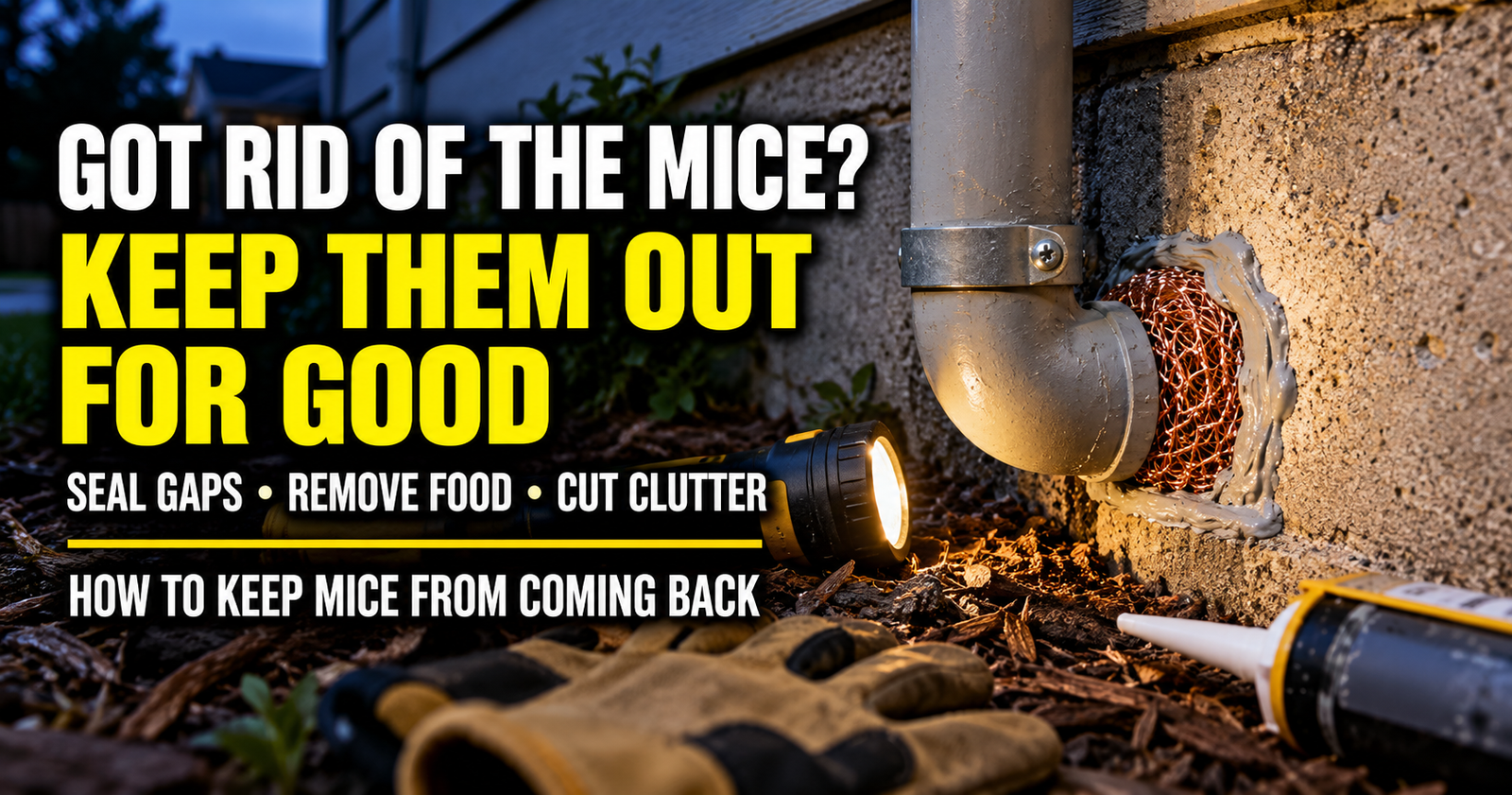
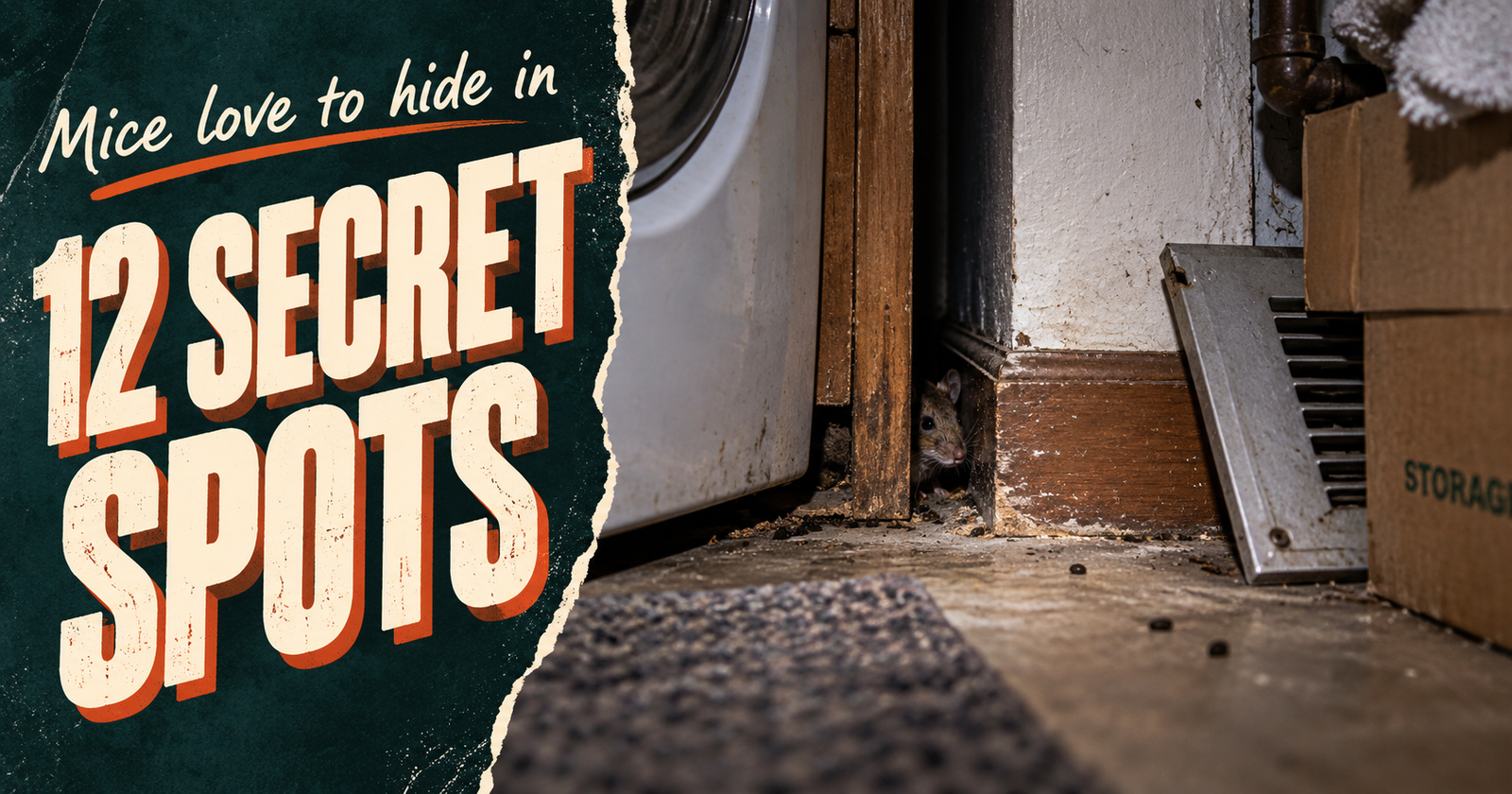
Check behind or beneath appliances, inside lower cabinets, around stored food, along basement walls, in garages, around utility lines, and anywhere else rodents could travel.
Droppings and gnaw marks are two particularly useful signs of rodent activity.
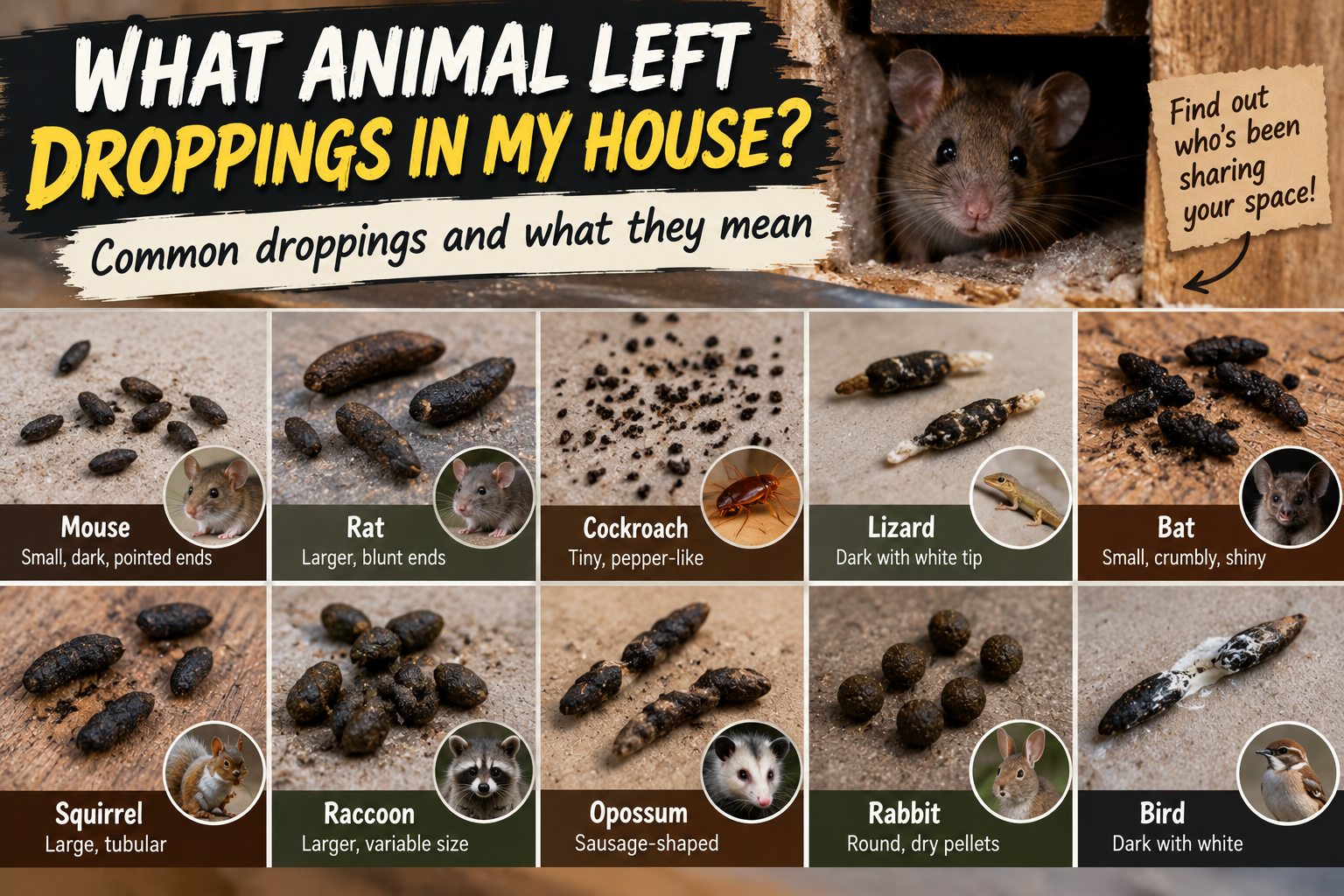
If you’re hearing something inside a kitchen wall and also finding small droppings beneath the sink, for example, those two clues together are much more useful than the scratching sound by itself.


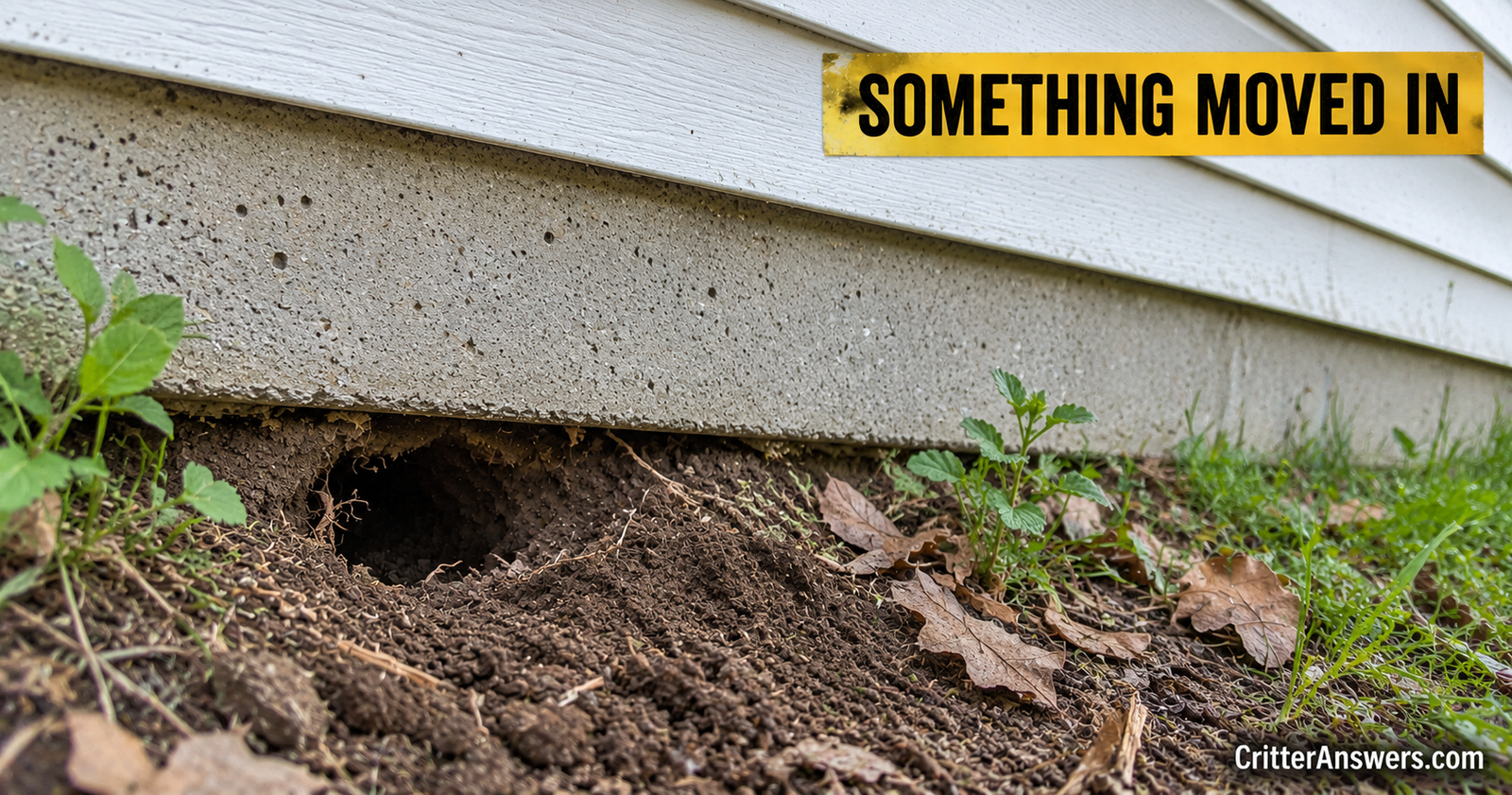
Rats Can Sound Heavier Than Mice
Rats are another possibility when the activity occurs mainly at night.
You may hear scratching, movement, or gnawing that sounds heavier than what you’d expect from a mouse. But I would be careful about identifying a rat based on volume alone.
Houses can amplify surprisingly small noises.
A rodent moving against drywall, wood framing, pipes, ductwork, or other hard materials can sound much larger from the other side.
Physical evidence becomes much more important.
Larger droppings, heavier gnawing, obvious travel routes, or other rodent signs can help separate a possible rat problem from mice.
Could It Be a Squirrel?
It can be, but time of activity matters considerably.
Many of the squirrels homeowners commonly encounter around houses are primarily active during daylight hours. If the scratching starts early in the morning and continues during daylight, squirrels move higher on my list.
If you’re hearing activity exclusively at midnight, 2 a.m., or 3 a.m., ordinary daytime-active squirrels become less convincing.
There is an exception worth remembering: not every squirrel follows the same schedule. Flying squirrels are nocturnal, so nighttime activity doesn’t completely eliminate squirrels as a possibility.
This is why I don’t like rigid rules such as “night means mice, day means squirrels.”
Think of timing as evidence, not proof.
Bats Can Make Sounds Inside Walls Too
Bats can use small spaces in buildings, including areas associated with attics, rooflines, soffits, and wall cavities.
Their noises may be subtler than people expect. You might notice rustling, scratching, squeaking, or fluttering rather than obvious footsteps.
Timing around dusk and dawn can be particularly interesting.
If you repeatedly hear activity high in a wall near the roofline around sunset, I would safely watch the outside of that area from the ground around dusk. Actually seeing bats emerge from part of the structure is much stronger evidence than trying to identify them by sound.
A bat inside an occupied living area is a different situation from a bat somewhere inside an inaccessible wall.
If there has been possible direct contact with a bat, a bite or scratch, or a situation where someone may not reliably know whether contact occurred, contact an appropriate medical or public-health authority for guidance.
Don’t handle the bat to try to identify it.
What About Raccoons and Opossums?
People sometimes hear a surprisingly loud noise and immediately assume a raccoon is inside the wall.
That isn’t impossible, but consider the available space.
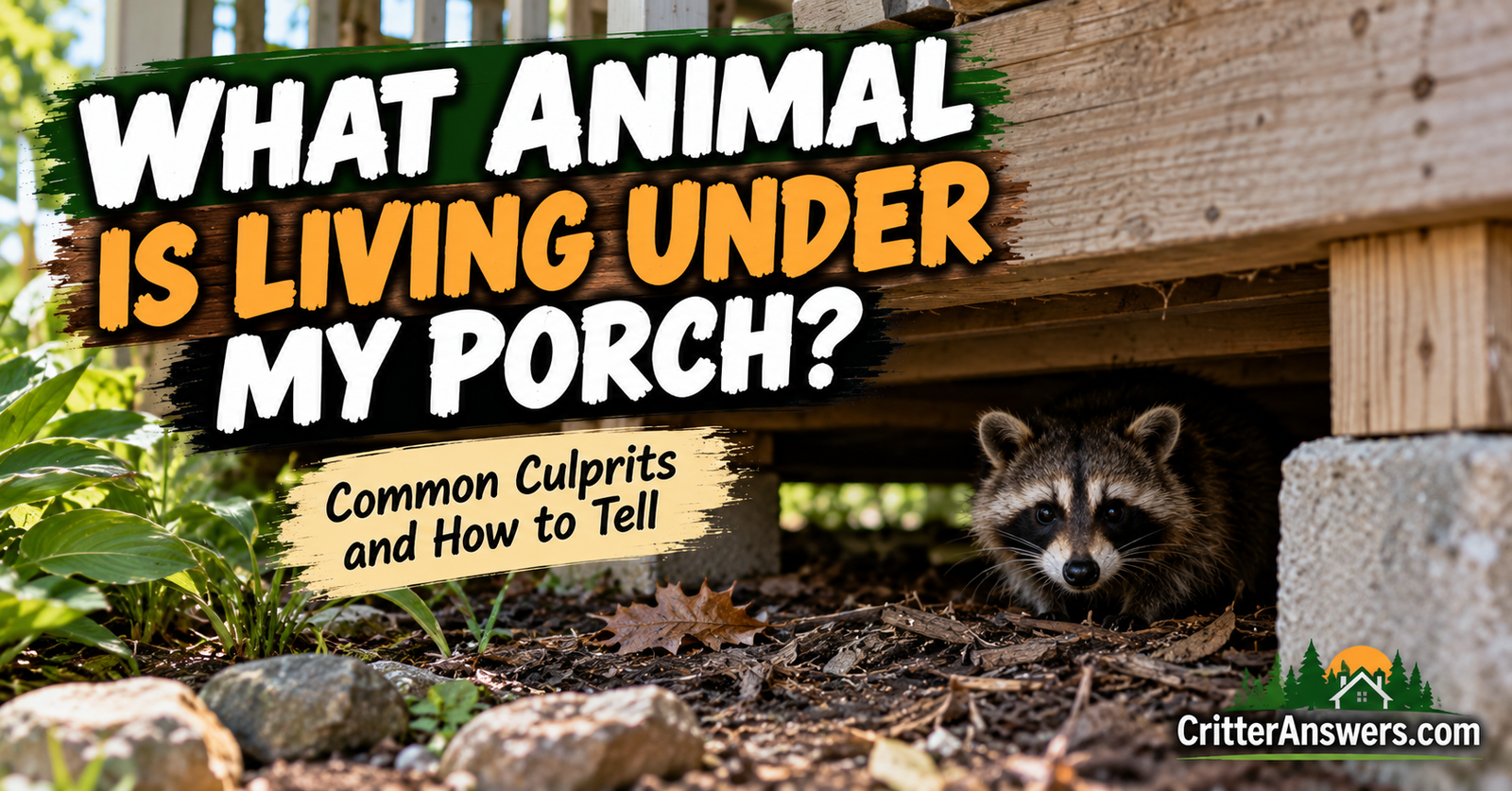
Adult raccoons and opossums are much larger than mice and rats. They’re more plausible in larger structural spaces such as attics, crawl spaces, chimneys, or areas between floors than in a narrow conventional wall cavity. If the suspected animal is instead outside beneath a porch, raccoons and opossums in structural spaces compares those larger visitors with other likely possibilities.
Heavy thumping, dragging, substantial movement, or vocal sounds should make you think beyond a tiny rodent.
The apparent location can also fool you.
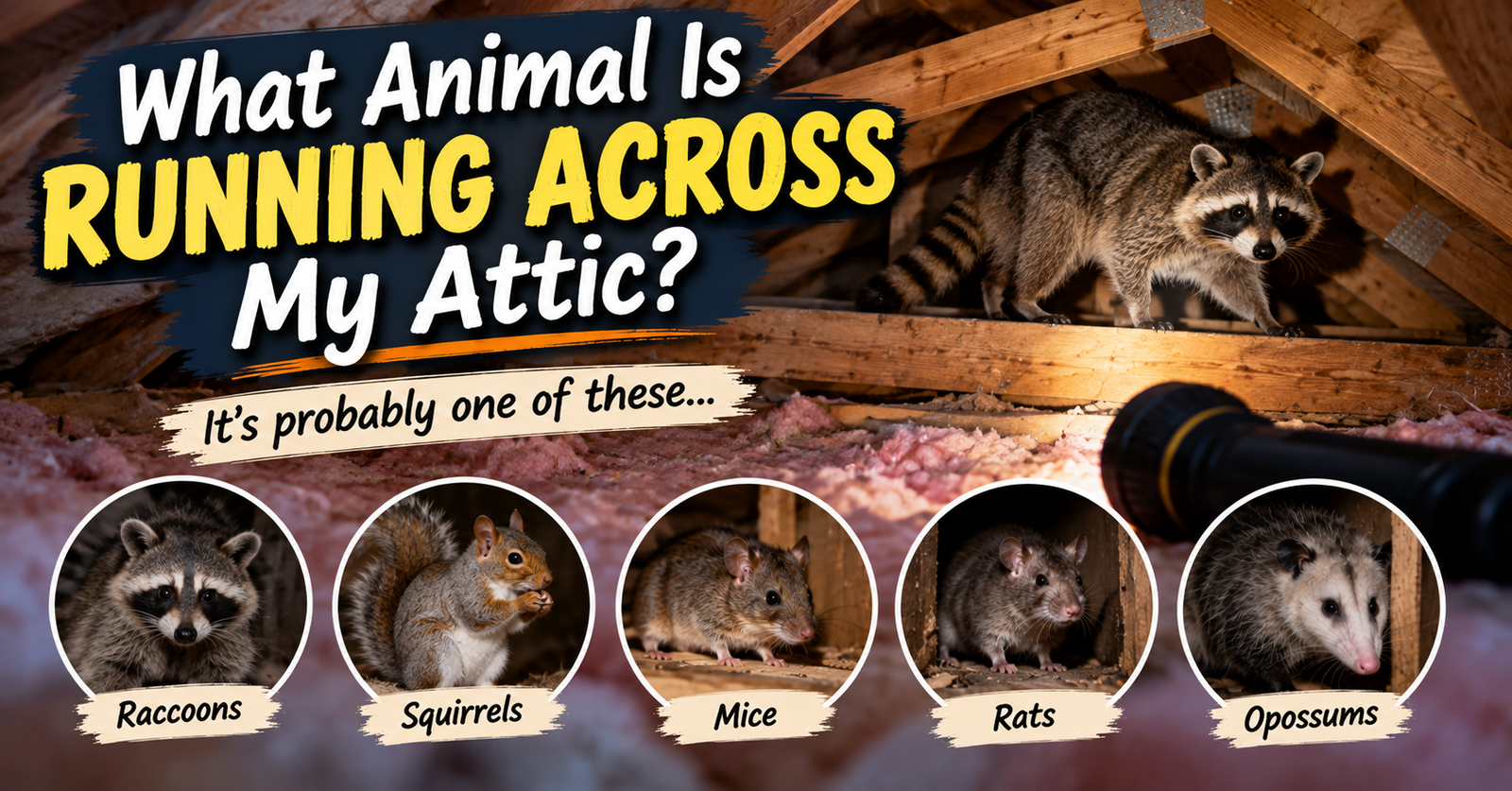
An animal moving across an attic floor or between levels may sound like it’s inside the bedroom wall because the vibrations are traveling through the framing.
Don’t Forget Birds
A bird trapped in or nesting around part of a house can create scratching and rustling that gets mistaken for a mammal.
Birds become more interesting when the noise is accompanied by fluttering, pecking, or chirping and is concentrated around a vent, chimney, soffit, or upper exterior wall.
Timing can help here too.
Repeated daytime or early-morning activity is more consistent with many birds than scratching that occurs only in the middle of the night.
If you suspect a bird, don’t immediately block the suspected opening. Active nests and some bird species can also involve legal protections, so identification matters before you interfere with a nest or seal an entrance.
The Type of Scratching Matters
Instead of simply remembering “something scratched in the wall,” listen to the pattern.
Light and very fast
Tiny, rapid scratching mixed with short bursts of scurrying makes me think first about a small animal.
If it happens repeatedly after dark and you find rodent evidence elsewhere, mice become much more plausible.
Scratching mixed with gnawing
Chewing is an important clue.
Mice and rats gnaw, so repetitive scraping or chewing sounds combined with physical gnaw marks can strengthen the rodent explanation.
Check accessible areas nearby rather than opening the wall just to investigate.
Frantic scratching from one exact spot
This is different from an animal that seems to travel through the wall.
If scratching remains in exactly the same place and sounds frantic or persistent, it’s possible an animal entered or fell into a space it can’t easily leave.
That’s a situation I would take more seriously, particularly if the activity continues for a long time.
Fluttering and scratching
Fluttering changes the picture.
If you clearly hear wings along with scratching, birds or bats become more reasonable possibilities depending on the location and time of activity.
Heavy bumps with scratching
Slow, substantial thumps suggest something different from tiny feet running through a cavity.
Before deciding it’s a huge animal, though, remember how effectively framing can transmit sound.
Look for other evidence.


What Room Are You Hearing It In?
The room itself can provide clues.
Kitchen walls
Mice and rats deserve serious consideration around kitchens because food, water, cabinets, plumbing penetrations, appliances, and hidden gaps can create attractive conditions and travel routes.
Look for droppings, gnawed packages, disturbed food, and evidence beneath sinks or behind appliances.
Bedroom walls
A bedroom doesn’t necessarily offer anything attractive to an animal.
The wall may simply be part of its travel route.
This is a good example of why I wouldn’t assume an animal is nesting beside your bed just because that’s where you hear it.
Bathroom walls
Bathrooms have plumbing penetrations and pipe chases that can connect different parts of a structure.
If you’re hearing something around a bathroom wall, pay attention to where plumbing enters floors, cabinets, or other hidden spaces.
Also make sure you’re actually hearing an animal. Pipes can click, knock, expand, and contract.
Walls beside the attic
Activity near the top of an exterior wall deserves a look at the attic and roofline.
Squirrels, bats, birds, and rodents can all make upper portions of a house worth investigating depending on the other clues.
Basement and crawl-space walls
If noises are concentrated near the bottom of the house, inspect accessible basement or crawl-space areas and exterior foundation penetrations.
Small openings around utilities can be easy to overlook.
Make Sure the Sound Really Is an Animal
This one is easy to forget once you’ve convinced yourself something furry is behind the drywall.
Houses make noises.
Pipes can tick and knock. Ductwork can pop as temperatures change. Branches can scrape against siding or roofing. Loose exterior materials can move in the wind.
Even expansion and contraction of building materials can produce strange nighttime sounds when the house becomes quiet enough for you to notice them.
A mechanical sound often has a more predictable relationship with something else happening in the house.
Does it start when the heat turns on?
Does it happen only when it’s windy?
Does the noise follow water use?
Does it occur at nearly the same interval every time?
An animal tends to produce less-perfect patterns, although that isn’t an absolute rule either.
Look for Droppings Before You Start Opening Walls
You usually don’t need to cut drywall just to find out whether rodents are present.
Check accessible areas first.
Look beneath sinks, behind appliances where safely accessible, along basement or garage walls, around stored food, inside cabinets, and near possible travel routes.
If you find suspected rodent droppings, don’t pick them up with your bare hands or immediately run a vacuum over them.
CDC guidance specifically warns against sweeping or vacuuming rodent urine, droppings, or nesting material before proper disinfection because contaminated particles can become airborne.
For a small accessible area, follow current public-health cleanup guidance. Heavy contamination, affected insulation, or extensive nesting material can require additional precautions or professional cleanup.
Look for Gnaw Marks Too
If mice or rats are traveling through the house, scratching may not be the only sign.
Look for fresh chewing around accessible areas.
That could include food packaging, cardboard, wood, plastic, or openings the animal has been using.
Electrical wiring deserves special attention because damaged wiring can create a separate safety concern.
Don’t handle damaged wiring simply because you’re trying to figure out what chewed it. If wiring appears compromised, have the electrical problem evaluated appropriately.
Inspect the Outside During Daylight
This is one of the most useful things you can do without disturbing the animal.
Walk around your house during daylight and look for possible access points.
Pay attention to areas around:
- Utility penetrations
- Foundation openings
- Exterior vents
- Doors and garage doors
- Siding transitions
- Soffits and fascia
- Roof edges
- Chimneys
- Crawl-space vents
- Pipes entering the house
You don’t need to climb onto your roof to perform a useful first inspection.
In fact, I would rather use binoculars or a camera zoom from the ground than climb somewhere unsafe just to look for a squirrel hole.
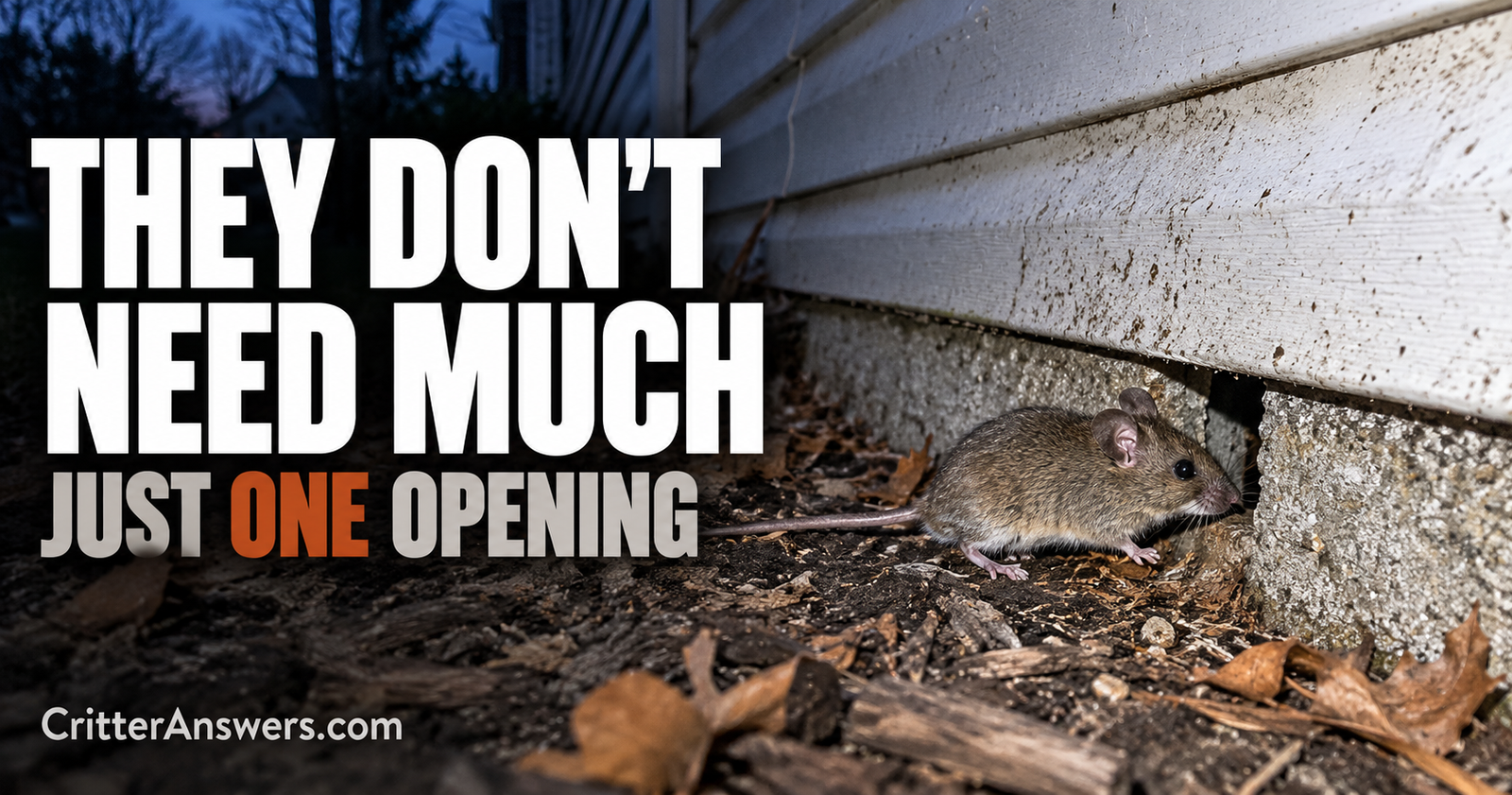
And don’t dismiss tiny openings. Mice can use openings around 1/4 inch wide, about the width of a pencil, according to CDC rodent-exclusion guidance. To trace that activity back to its source, check tiny openings mice can use around plumbing, siding, vents, and other transitions.
Don’t Seal the Hole Yet
Finding a likely entrance feels like you’ve finally solved the problem.
Don’t rush the next part.

If you’re still hearing scratching, you need to consider whether the animal is currently inside and whether dependent young could be present. Before disturbing anything, checking an attic nest for young animals can help you assess whether removal should wait.
Sealing an occupied space can trap an animal inside.
A trapped animal may die in an inaccessible location or cause additional damage trying to escape. Separating a mother from dependent young creates another serious problem.
The permanent repair comes after you’ve figured out what is using the opening and confirmed the situation can be safely excluded.
Use the Clock to Build a Pattern
One night of scratching isn’t nearly as useful as three or four observations.
Keep a simple note on your phone.
Record the approximate time the noise begins, where you hear it, how long it lasts, and what it sounds like.
You may start noticing a pattern such as:
11:40 p.m. Light scratching behind kitchen wall.
12:15 a.m. Quick movement above kitchen ceiling.
1:05 a.m. Gnawing near pantry wall.
That pattern tells me much more than “something is scratching somewhere at night.”
If the activity instead happens at 7:00 a.m. and 4:30 p.m. every day around the upper wall and attic, I would investigate a different set of possibilities.
Can You Tell Mouse vs Rat From the Sound?
Not reliably.
You can sometimes make an educated guess. A mouse may produce lighter scratching and scurrying, while a rat can create heavier movement and gnawing.
But I wouldn’t make a species identification based on perceived loudness.
Wall construction, insulation, distance, room acoustics, and what surface the animal is touching can dramatically change what you hear. Research-based wildlife guidance specifically cautions that noises are not a very accurate way to identify a wildlife species by themselves.
Droppings, tracks, gnaw marks, camera footage, entry-point size, and other physical evidence can give you much more confidence. For related examples of tracks, droppings, and other signs, see the identification and signs category.
A Camera Can Be More Useful Than Another Night of Listening
If you can’t figure out what’s inside the wall, you may be able to determine what is entering the house.
That’s often easier.
A motion-activated camera positioned safely near a suspected exterior travel route can show what is coming and going.
You may discover a mouse moving along the foundation, a squirrel using the roofline, or another animal repeatedly approaching an opening.
The camera doesn’t need to go inside the wall.
In many situations, identifying the animal’s exterior route tells you more than trying to interpret every sound from your bedroom.
What I Would Do Tonight
If scratching starts again tonight, I wouldn’t tear into the drywall.
I’d do this instead:
- Write down the exact time.
- Identify the wall where the noise is strongest.
- Listen for scratching, running, gnawing, fluttering, or thumping.
- Notice whether the sound travels or remains in one place.
- Check accessible nearby areas for droppings and gnaw marks.
- Keep pets away from any wildlife evidence.
- Inspect the exterior in daylight.
- Photograph anything suspicious.
- Watch for activity around a suspected entrance when it is safe to do so.
- Compare all of the clues before deciding what animal you have.
That gives you actual evidence without unnecessarily damaging the house.
When Scratching in the Wall Needs More Attention
A few seconds of unexplained scratching doesn’t necessarily mean you have a major wildlife problem.
Repeated activity is different.
I would move toward a professional inspection when the scratching continues night after night, you find significant droppings or urine, there’s an animal trapped in an inaccessible cavity, wiring appears damaged, you suspect bats, a larger animal may be inside, or you can’t safely inspect the suspected area.
Frantic scratching that remains in one location also deserves attention because the animal may be trapped rather than simply traveling through the wall.
And if you hear young animals, don’t start sealing entrances until the situation has been properly assessed.
The goal isn’t simply to make tonight’s scratching stop. It’s to figure out what is inside, how it got there, whether anything else is still inside, and how that entry point can eventually be closed without creating a bigger problem.
About the author: Nolan Mercer researches the everyday clues wildlife leaves around homes and turns them into practical, easy-to-follow guidance for homeowners at Critter Answers.