

Search for the best mouse trap and you’ll find articles recommending 10, 15, sometimes 20 different traps.
I don’t think that’s particularly helpful.
If I’ve got mice in my house, I don’t want to spend an hour comparing 17 slightly different plastic boxes.
I want to know:
What would I actually buy?
For most household mouse problems, I think the decision can be much simpler.
My two picks are:
Victor Metal Pedal Mouse Traps 12-Pack if you want inexpensive traditional snap traps and enough of them to cover multiple mouse routes.
OWLTRA OW-2 Indoor Electric Mouse Trap 2-Pack if you want a more enclosed electronic trap and don’t mind paying considerably more per trapping location.
Those are very different products.
And that’s why I like comparing them.
I’m not giving you two nearly identical traps and pretending there’s a meaningful difference.
My Best Mouse Trap Overall: Victor Metal Pedal 12-Pack
If you asked me what I’d buy for a normal mouse problem in a house, I’d start with the Victor Metal Pedal Mouse Traps 12-Pack.
It’s the old-fashioned wooden mouse trap most people recognize.
Wood base.
Metal kill bar.
Metal bait pedal.
Spring.
Nothing fancy.
And that’s okay.
CDC currently recommends traditional snap traps for controlling rodents around the home. Victor’s M150 is specifically sized for mice and voles, and Victor says the traps can either be reused or discarded after a successful catch.
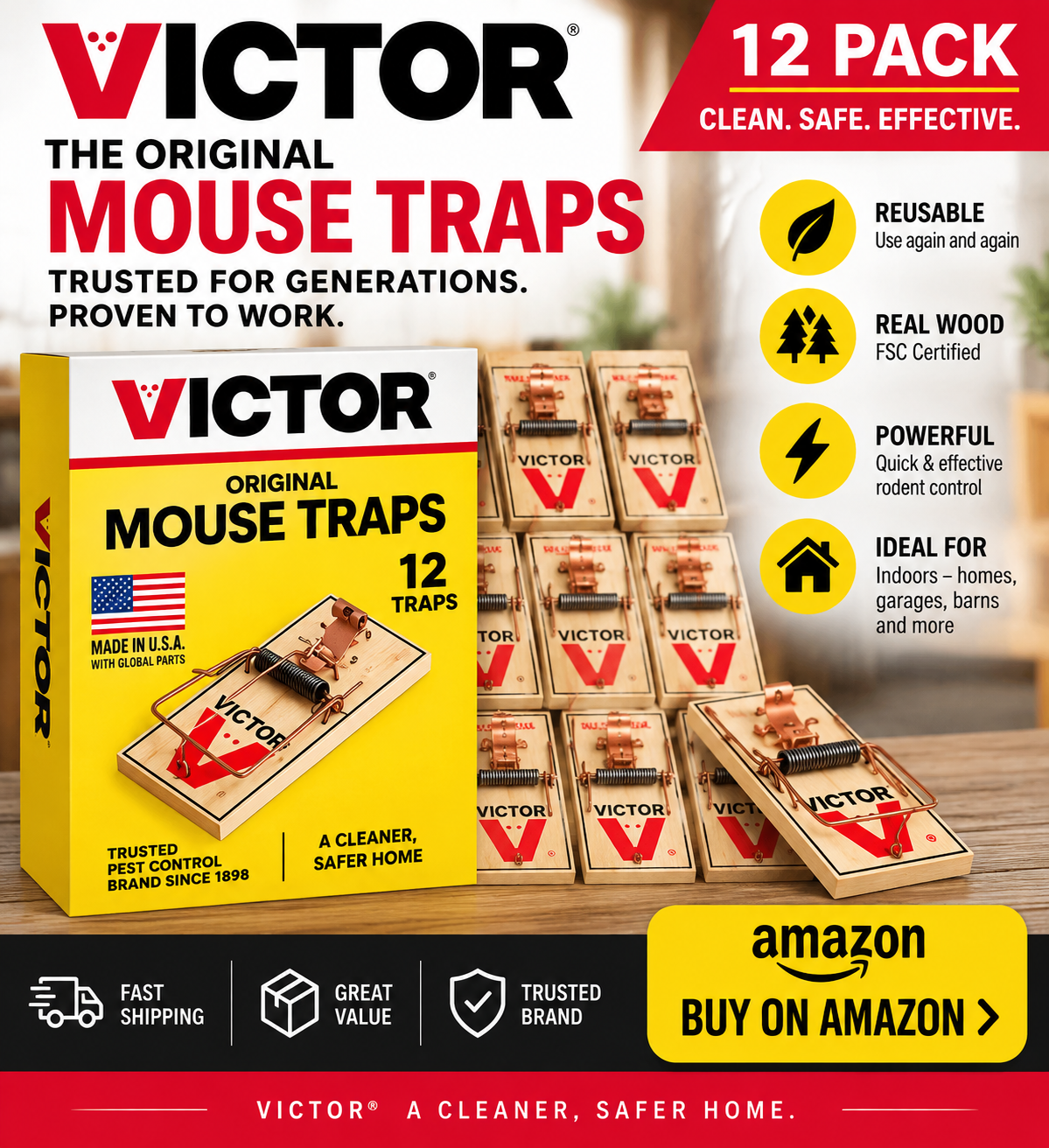
Check the Victor Metal Pedal Mouse Traps 12-Pack on Amazon
The biggest reason I like the 12-pack isn’t because I think everybody needs twelve traps.
It’s because mouse trapping works better when you can cover the places mice are actually traveling.
One trap behind the refrigerator can’t simultaneously cover the pantry, basement, garage, and utility room.
Twelve inexpensive traps give you options.
Why Victor Gets My Overall Pick
The Victor trap wins for me on practicality.
If mice are active in several locations, I can deploy several traps without spending a fortune on every trapping point.
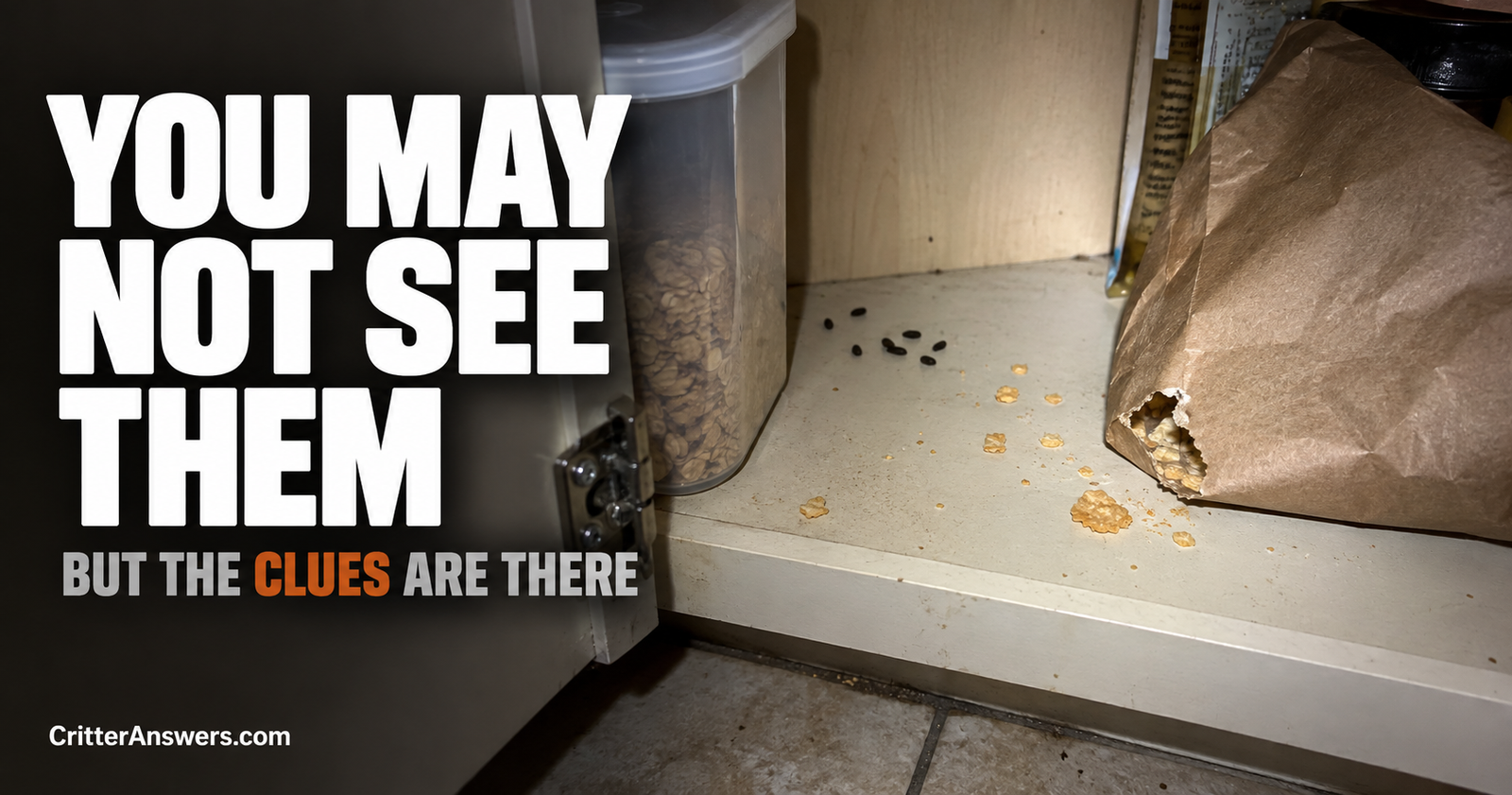
That’s important because CDC recommends placing traps wherever you’ve found evidence such as droppings, gnawing, nesting material, damaged food, or mouse activity. Traps should generally be placed along walls and protected travel routes rather than randomly in open areas.
Victor gives me enough traps to actually do that.
What I Like
- You get 12 traps.
- They’re specifically sized for mice and voles.
- No batteries are required.
- No rodenticide is required.
- You know when you’ve caught a mouse.
- You can retrieve and dispose of the mouse.
- The traps can be reused or discarded.
- The simple design is inexpensive enough for a multi-trap strategy.
Victor also says the wooden base uses wood from FSC-certified forests.
What I Don’t Like
Traditional snap traps aren’t pretty.
You can see the mouse after the catch.
Setting them requires more care than switching on an electronic trap.
They also have an exposed kill bar, so placement around children and pets needs serious thought.
And like every mouse trap, they’re useless when placed where mice don’t travel.
Cheap doesn’t fix bad placement.
How I’d Set the Victor Traps
I’d use a small amount of peanut butter or another appropriate bait on the pedal.
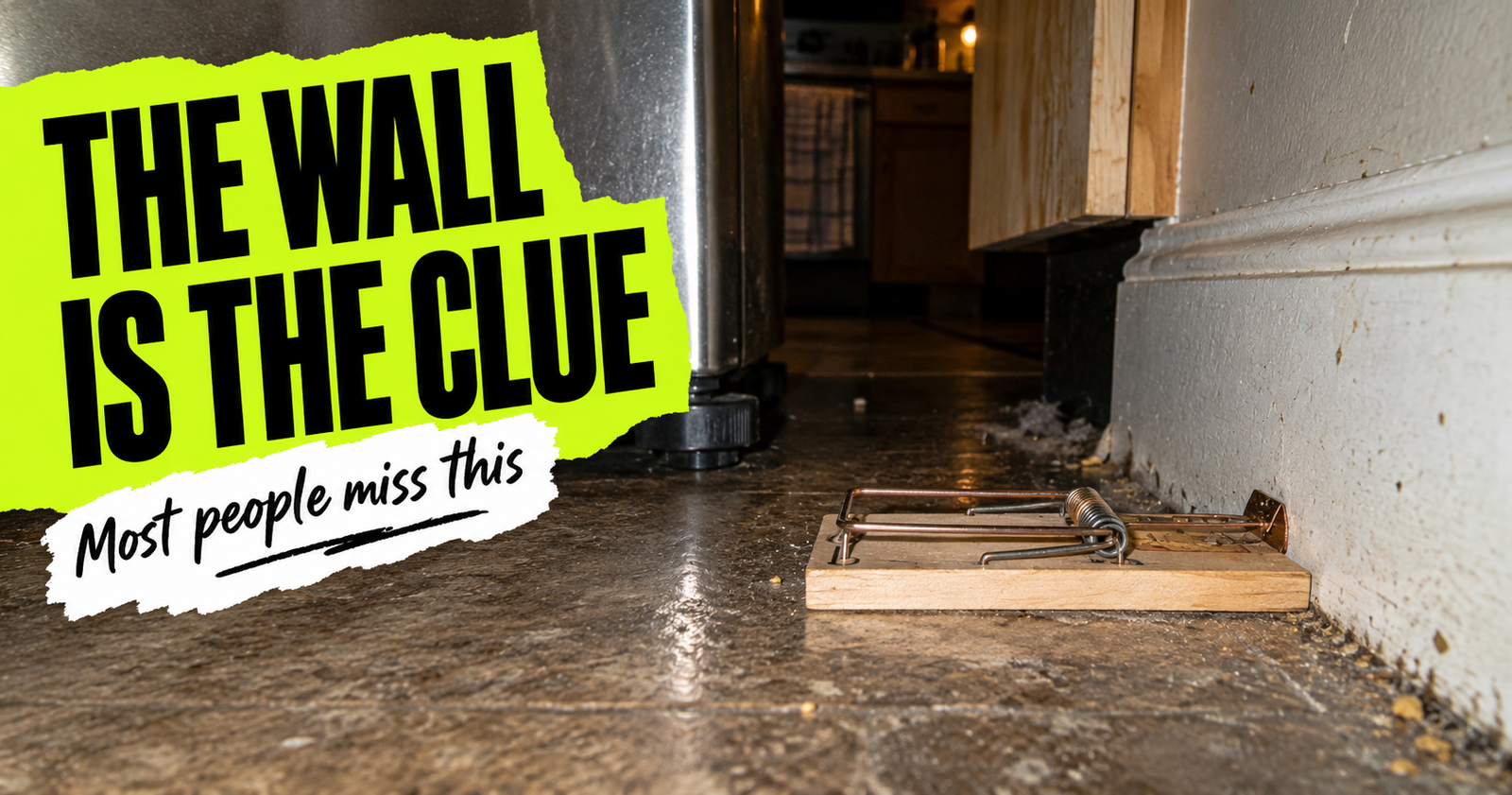
Then I’d put the baited end flush against the wall along an active mouse route.
That’s both Victor’s recommendation and consistent with CDC guidance.
CDC says the baited end of a traditional snap trap should face the wall so the trap forms a T with it. Mice commonly travel beside walls and objects for protection.
If you want the full placement strategy, I’ve already covered 10 places where mouse traps actually make sense.
Placement matters just as much as which trap you buy.
Best Enclosed Electric Mouse Trap: OWLTRA OW-2
Not everyone wants to see a mouse caught in a traditional snap trap.
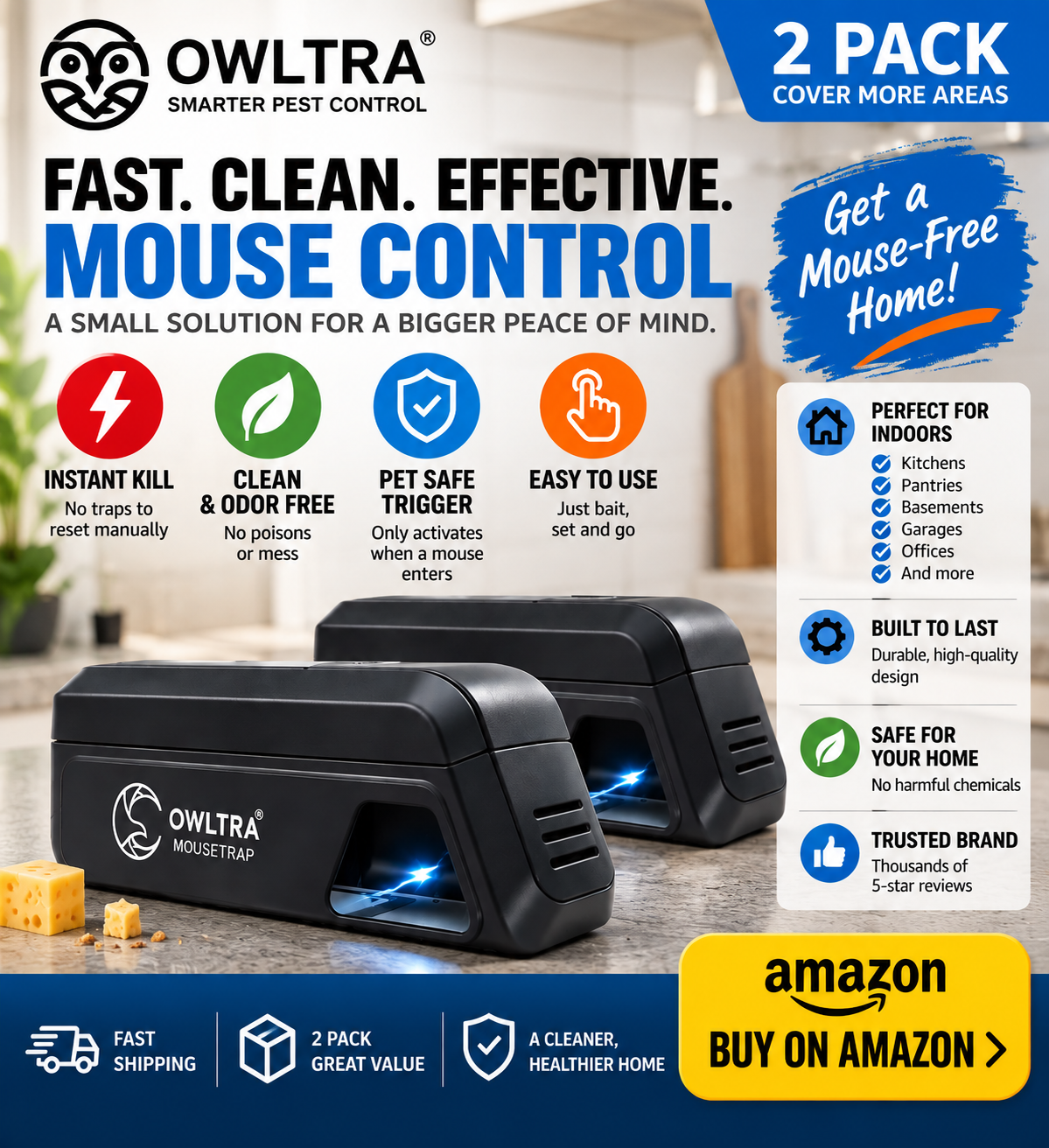
That’s where the OWLTRA OW-2 Indoor Electric Mouse Trap 2-Pack becomes interesting.
It’s an enclosed electronic trap specifically designed for mice.
OWLTRA says the OW-2 uses a dual-sensor system, operates on four AA batteries, and uses an LED to indicate trap status. A blinking green light after capture tells you there’s a mouse inside, while a red indicator warns of low batteries.
Check the OWLTRA OW-2 Indoor Electric Mouse Trap 2-Pack on Amazon
For someone who hates the idea of looking at an exposed dead mouse in a wooden snap trap, I can absolutely understand paying more for this design.



Why I’d Choose OWLTRA Instead
The OWLTRA isn’t my overall winner because it costs considerably more per trapping location and requires batteries.
But it wins on convenience.
What I Like
- The mouse is contained inside the trap.
- You don’t have an exposed kill bar.
- An LED tells you when a mouse has been caught.
- The chamber separates for disposal.
- It uses no rodent poison.
- It’s reusable.
- Two traps let you cover two active locations.
OWLTRA says you can switch the unit off, separate the chamber, and empty the mouse without directly touching it.
That’s a meaningful advantage for someone who really dislikes handling a traditional mouse trap after a catch.
What I Don’t Like
It’s indoor only.
It requires four AA alkaline batteries per trap.
You only get two trapping locations in this package rather than twelve.
It costs substantially more per trap than basic wooden snap traps.
And electronics introduce things a wooden trap doesn’t have to worry about, including battery condition and keeping the unit dry.
OWLTRA specifically says the OW-2 should be used on a clean, dry indoor surface and must be completely dry after cleaning before it’s powered back on.
Victor vs. OWLTRA: Which Would I Buy?
For most mouse problems, Victor.
For someone who strongly values an enclosed trap and easier disposal, OWLTRA.
That’s really the decision.
Buy Victor if:
You want to cover several mouse routes.
You don’t mind traditional snap traps.
You want a low-cost setup.
You don’t want batteries.
You’re comfortable checking and disposing of catches.
See the Victor 12-Pack on Amazon
Buy OWLTRA if:
You want the mouse enclosed after capture.
You prefer an electronic trap.
You like having an LED catch indicator.
You’re willing to pay more for convenience.
You only need a couple of strategic indoor trapping locations.
See the OWLTRA OW-2 2-Pack on Amazon
I wouldn’t buy both automatically.
Pick the one that fits how you actually want to deal with mice.
Why I Don’t Think You Need Ten Different Trap Recommendations
Different traps can certainly work.
But there’s a point where adding products stops helping.
I could find another wooden snap trap.
Then another.
Then five plastic snap traps.
Then three electronic traps.
Suddenly this becomes The 14 Best Mouse Traps, even though I’d personally narrow the decision down to two.
I’d rather tell you why I’d spend my money on one product versus another.
For traditional trapping, I want quantity and good placement.
Victor gives me that.
For an enclosed electronic setup, I want simple operation, catch indication, and easy disposal.
OWLTRA gives me that.
That’s enough choice for most people.
The Trap Doesn’t Matter if You Put It in the Wrong Place
This is probably the most important part of this review.
Don’t buy either product and toss it into the middle of the kitchen.
Follow the mice.
Look for:
- Droppings
- Gnawing
- Damaged food
- Nesting material
- Wall activity
- Mouse sightings
- Known entry routes
CDC recommends putting traps where those signs appear and in protected areas such as behind refrigerators and stoves, cabinets, drawers, attics, basements, and crawl spaces.
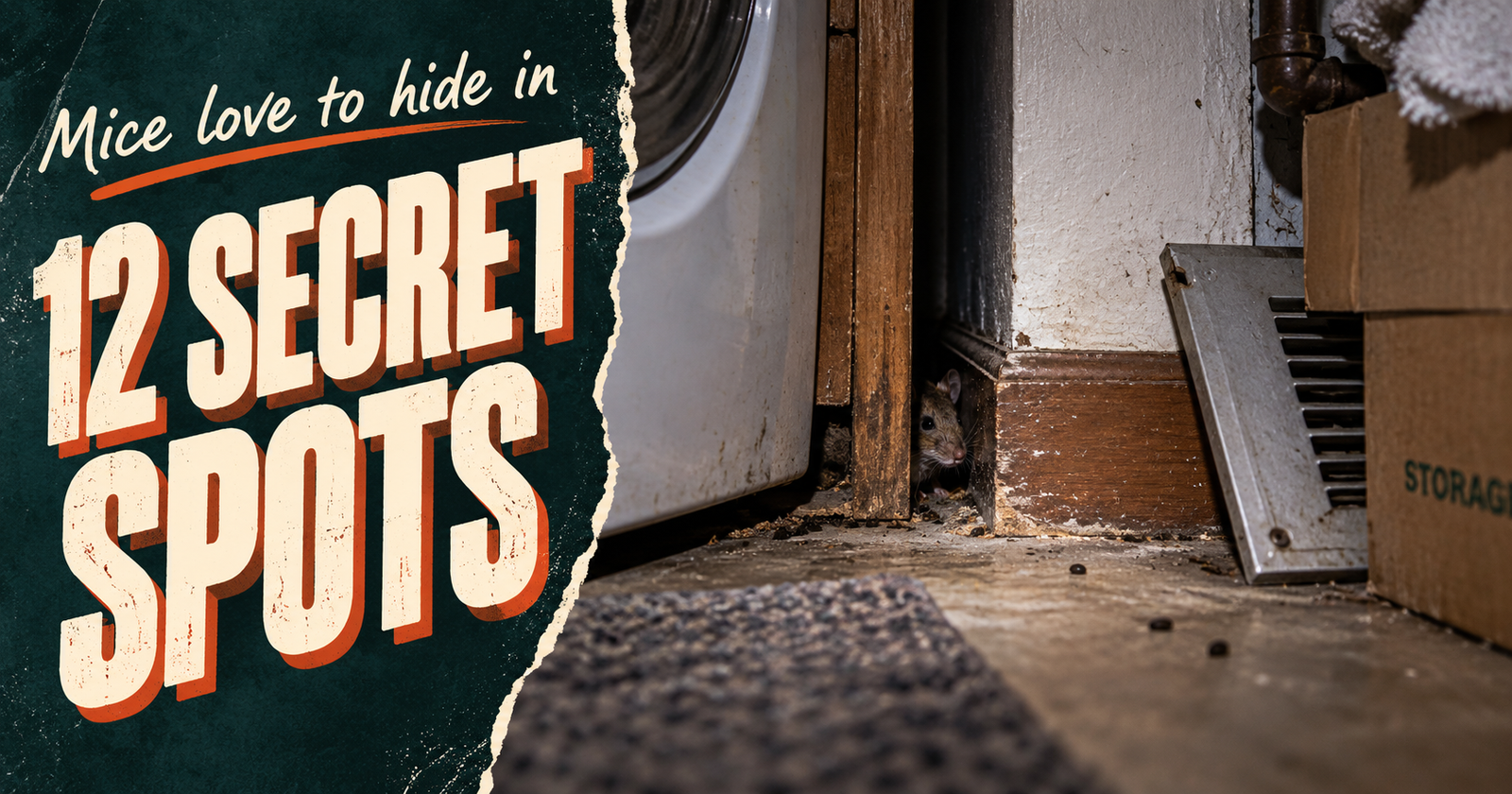
If you’re unsure where the mice are spending their time, our guide to 12 places mice commonly hide around a house is where I’d start.
How Many Mouse Traps Do You Actually Need?
There’s no magic number for every house.
It depends on how widespread the evidence is.
One mouse sighting confined to a small area may require a very different setup from fresh droppings in the kitchen, basement, pantry, and garage.
This is another reason Victor’s 12-pack appeals to me.
Having twelve traps doesn’t mean using twelve.
It means you can use enough traps when the evidence calls for it.
If you only need four, use four.
If activity is concentrated in two places, concentrate there.
Don’t spread traps evenly around the house simply because you own them.
What Bait Would I Use?
I’d start simple.
A small amount of peanut butter.
CDC recommends a small amount of chunky peanut butter as one snap-trap bait. Victor also recommends a small amount of a high-protein bait such as peanut butter, chocolate, or hazelnut spread.
More isn’t necessarily better.
A huge blob can make it easier for a mouse to nibble without properly interacting with the trigger.

We’ve already tested the question in detail in our guide to 9 baits mice actually eat.
What If the Mouse Keeps Stealing the Bait?
Before buying another kind of trap, troubleshoot the setup.
Use less bait.
Make sure the trap is positioned correctly.
Make sure it’s on an active route.
Remove competing food.
Check the trigger.
Try more than one trap where activity is heavy.

And if the mice keep avoiding everything, use our guide to 9 reasons mice won’t go near your traps.
Sometimes the trap isn’t the problem.
The setup is.
Are Electric Mouse Traps Better Than Snap Traps?
Not automatically.
They solve the same basic problem in different ways.
The OWLTRA gives you an enclosed chamber and electronic catch indication.
Victor gives you a simple mechanical trap that costs much less per trapping location.
For me, better depends on what bothers you more.
If you hate exposed traps and disposal, OWLTRA may be worth the extra money.
If you mainly want to catch mice efficiently across several active areas, I’d rather have a pile of Victor traps.
Are Mouse Traps Better Than Poison?
For an ordinary indoor mouse problem, I generally prefer starting with traps.
CDC currently recommends traditional snap traps for home rodent control and says poison or bait stations can be considered when an infestation persists.
Traps also give you something poison doesn’t:
The mouse.
You know where it died.
You can remove it.
You can count captures.
A poisoned mouse may die somewhere inaccessible.
That doesn’t mean poison has no place. It does.

We’ve already covered the honest pros and cons of using mouse poison for situations where you’re considering that route.
What About Glue Traps?
I wouldn’t make them one of my recommendations.
CDC specifically advises against glue traps and live traps for household rodent control because frightened rodents can urinate, potentially increasing exposure to rodent-borne pathogens.
With good snap traps and enclosed electric options available, I don’t see a reason to make glue boards one of my top picks.
What About Humane Live Mouse Traps?
Same issue.
People often assume a live trap is automatically the humane choice because the mouse is alive when you find it.
But then you have to figure out what happens next.
CDC doesn’t recommend live traps for household rodent control.
For an indoor house-mouse infestation, I prefer a properly placed kill trap combined with exclusion.
The long-term goal is preventing mice from entering in the first place.
What About Ultrasonic Mouse Repellers?
I wouldn’t replace traps with one.
A device that supposedly makes mice dislike a room doesn’t remove the structural opening that allowed them inside.
It also doesn’t give you confirmation that the mice are gone.
I want something measurable.
Mouse caught.
Droppings stop.
Gnawing stops.
Entry point sealed.
That’s much more useful to me.
Keep Mouse Traps Away From Children and Pets
Neither of these products should be treated like a toy.
CDC says traps and bait should be kept out of reach of children and pets and used according to the manufacturer’s instructions.
That’s especially obvious with an exposed Victor snap trap.
But I wouldn’t interpret an enclosed electric design as permission to leave an energized trap somewhere a child or pet can play with it either.
Put traps in protected locations.
Check Your Traps Every Day
This applies regardless of which trap you buy.
CDC recommends checking traps daily and promptly disposing of captured rodents.
That also gives you useful information.
If one trap catches three mice while five others remain untouched, pay attention.
You may have found a major travel route.
If nothing catches anything but fresh droppings keep appearing elsewhere, move your trapping effort toward the evidence.
Can You Reuse Mouse Traps?
The Victor can be reused or discarded after a catch, according to the manufacturer.
The OWLTRA is designed for reuse and has a removable chamber that can be cleaned and thoroughly dried before resetting.
If you’re reusing traps after a catch, follow the manufacturer’s cleaning instructions and appropriate rodent-cleanup precautions.
CDC also provides specific disinfection guidance for reusable traditional snap traps.
Catching One Mouse Doesn’t Mean You’re Finished
This is where a good trap can give you false confidence.
Snap. Got him.
Great.
Now keep monitoring.
The mouse you caught may have been alone.
It may not have been.
CDC says that if no rodents are captured for a week and there are no new signs such as droppings or gnawing, the infestation has likely been eliminated.
That’s a much better stopping point than simply catching the mouse you happened to see.
A Mouse Trap Cannot Mouse-Proof Your House
This is why I don’t want this money page ending with:
BUY THIS TRAP AND YOUR PROBLEM IS SOLVED.
It isn’t.
Mice can fit through openings around 1/4 inch wide, roughly the width of a pencil. CDC recommends inspecting and sealing gaps around cabinets, appliances, pipes, doors, vents, utilities, attics, basements, crawl spaces, and the exterior structure.
If you don’t seal the entry points, you’re potentially creating an endless cycle:
Mouse enters.
Trap catches mouse.
Another enters.
Trap catches mouse.
Another enters.
That’s successful trapping.
It’s lousy mouse prevention.
My Pick for Most People
Victor Metal Pedal Mouse Traps 12-Pack.
Simple wins here.
You get enough traps to cover multiple routes.
No batteries.
No poison.
They’re cheap enough to deploy where the evidence actually is.
And traditional snap traps align with CDC’s current first-line household trapping recommendation.
Check the Victor Metal Pedal 12-Pack on Amazon
If I were starting from scratch with a normal mouse problem, this is where I’d put my money first.
My Pick If You Hate Traditional Snap Traps
Not everybody wants to deal with a wooden snap trap.
I get it.
Some people don’t like setting the bar. Others don’t want to see the mouse after the trap fires. And if you’ve ever accidentally snapped your own finger while setting one, you may be perfectly happy paying more for another design.
For that person, my pick is the OWLTRA OW-2 Indoor Electric Mouse Trap 2-Pack.
Check the OWLTRA OW-2 Electric Mouse Trap 2-Pack on Amazon
This is a completely different approach from the Victor.
The mouse enters an enclosed chamber, the trap detects it using two sensors, and the unit delivers an electric shock. OWLTRA says the OW-2 uses four AA batteries and has an LED indicator that tells you when a mouse has been caught. The killing chamber separates from the main body so the mouse can be emptied without directly touching it. (hiowltra.com)
That’s the main reason I’d buy this trap.
You don’t have to look at an exposed mouse caught on a wooden snap trap.
What I Like About the OWLTRA OW-2
The enclosed design is the biggest advantage for me.
You get:
- An enclosed killing chamber
- An LED catch indicator
- No rodent poison
- A removable chamber for disposal
- Two traps in this package
- Battery-powered operation
- A design specifically intended for indoor mouse control
OWLTRA says a blinking green indicator means a mouse has been caught, while a blinking red light indicates low batteries. (hiowltra.com)
That’s convenient if the trap is behind something and you don’t want to pick it up constantly to check it.
Where the OWLTRA Makes More Sense Than Victor
I’d seriously consider OWLTRA for someone who says:
“I know snap traps are cheaper. I just don’t want to deal with them.”
That’s fair.
I’d also consider it in an indoor location where you want something more enclosed and discreet.
For example:
Behind a kitchen appliance.
Along a basement wall.
Inside an appropriate utility area.
In another dry indoor location where mouse evidence is concentrated.
OWLTRA specifies that the OW-2 is for indoor use only. (hiowltra.com)
So don’t buy this and put it outside beside the shed in the rain.
The Biggest Downside of the OWLTRA
Cost.
A traditional wooden mouse trap is about as simple as pest-control equipment gets.
Wood.
Metal.
Spring.
Done.
An electric trap has sensors, electronics, batteries, indicators, and a removable chamber.
You’re paying for convenience.
And because the OWLTRA requires batteries, there’s another thing you need to maintain.
That’s why I wouldn’t automatically tell everybody the electric trap is “better.”
It’s better for a particular kind of homeowner.
Victor vs. OWLTRA: Which One Would I Buy?
If I had an ordinary mouse problem and didn’t mind traditional snap traps?
Victor.
Especially if I needed a lot of traps.
If I hated exposed snap traps and wanted an enclosed indoor option?
OWLTRA.
That’s really the comparison.
The Victor Metal Pedal 12-Pack gives you quantity and simplicity.
Check the Victor 12-Pack on Amazon
The OWLTRA OW-2 2-Pack gives you an enclosed electronic design and easier no-touch-style disposal.
Check the OWLTRA OW-2 2-Pack on Amazon
I wouldn’t buy the OWLTRA because I think electronics magically make trap placement irrelevant.
They don’t.
The Trap Still Has to Be Where the Mouse Goes
This may be the most important buying advice in the entire article.
A $30 or $40 mouse trap sitting in the wrong location can be less useful than a cheap wooden trap sitting directly on a mouse runway.
CDC recommends placing traps where you’ve found mouse evidence such as droppings, nesting material, gnawing, or damaged food. Traditional snap traps should be placed against the wall with the baited end toward the wall because rodents tend to travel alongside walls and objects.
Electronic tunnel-style traps are positioned differently. Victor, for example, recommends placing electronic traps lengthwise along the wall with the entrance closest to the wall.
Whatever trap you buy, follow the instructions for that trap.
Don’t assume every design gets positioned identically.
Best Mouse Trap If You Have Several Active Areas
This is another reason the Victor 12-pack gets my overall pick.
Suppose you’re finding mouse evidence:
Behind the refrigerator.
Under the sink.
Inside the pantry.
Along the garage wall.
And in the basement.
One trap isn’t much of a strategy.
You need to cover the places mice actually travel.
That’s where twelve inexpensive traps can be more useful than one expensive trap.
Victor’s own instructions say to put the Metal Pedal trap wherever you’ve seen rodent activity or along walls where mice primarily travel, with the baited end flush against the wall.
We’ve already built a complete guide to where you should put mouse traps around your house.
I’d figure out the active routes first.
Then decide how many traps you actually need.
Best Mouse Trap If You Only Have One Active Area
Now the decision changes.
Maybe you’ve found a few droppings behind the refrigerator and nowhere else.
You don’t necessarily need twelve traps operating throughout the house.
A couple of strategically positioned traps may be enough to start.
That’s where the OWLTRA two-pack becomes more attractive if you prefer the electronic design.
You could target the refrigerator route and another nearby active area without buying a dozen electronic traps.
Again, match the equipment to the actual problem.
Which Mouse Trap Is Easiest to Set?
I’d give that advantage to the electronic style for people who dislike spring-loaded snap traps.
Traditional Victor traps aren’t complicated, but there’s still a metal kill bar under spring tension.
You have to bait it.
Pull the bar back.
Latch it.
Then put the trap down without firing it.
Victor’s current Metal Pedal instructions walk through that exact process.
Some people have no trouble with that.
Some people absolutely hate it.
If you’re in the second group, paying more for an electronic trap may be worth it purely because you’re actually willing to use it correctly.
Which Mouse Trap Is Cheapest to Run?
Victor wins.
There’s no battery.
There’s no electronic component.
The trap can be reused or discarded after a catch, according to Victor.
An OWLTRA requires four AA batteries per trap. (hiowltra.com)
That doesn’t make the OWLTRA expensive to operate in the grand scheme of home ownership, but it’s another ongoing cost the wooden trap doesn’t have.
Which One Is Easier to Dispose of a Mouse From?
I’d give this one to OWLTRA.
The mouse is contained inside the killing chamber rather than sitting exposed on a wooden trap.
OWLTRA says you switch the unit off, separate the main body and chamber, and empty the mouse without directly touching it. (hiowltra.com)
That can make a big difference for someone who is genuinely uncomfortable looking at or handling dead mice.
With a traditional snap trap, you have to deal more directly with the catch.
CDC does provide a safe procedure for cleaning and reusing traditional snap traps, including disinfecting the trap and rodent before disposal.
What About Kids and Pets?
This is where I don’t like making blanket promises.
Any mouse trap needs thoughtful placement.
CDC says traps and bait should be kept out of reach of children and pets.
I would follow that rule regardless of whether a product has safety features built into its design.
Don’t put an energized electric trap where a toddler can play with it.
Don’t put an exposed snap trap where your dog can step on it.
Choose locations that mice use but children and pets cannot access.
Should You Buy Glue Traps Instead?
I wouldn’t.
CDC currently recommends traditional snap traps for household rodent control and specifically advises against glue traps and live traps because frightened rodents can urinate, potentially increasing exposure to rodent-borne pathogens.
They are also honestly considered inhumane, and I am not about anything inhumane.
So neither of my two main recommendations is a glue board.
I’m sticking with kill traps that let you remove the mouse promptly.
What About Live Mouse Traps?
Same issue.
I know “live trap” sounds automatically better.
But now you have a live wild mouse in a container and need to decide what happens next.
CDC doesn’t recommend live traps for household rodent control.
For an indoor house-mouse problem, I’d rather use an effective kill trap, remove the mouse, and focus my effort on closing the openings that let mice inside.
What About Mouse Poison?
Poison is another legitimate tool, but it’s not my first choice for a straightforward indoor mouse problem.
CDC currently recommends snap traps first and says poison or bait stations can be considered when infestations persist.
Poison also introduces issues that traps don’t.
A poisoned mouse can die somewhere inaccessible.
Children and pets require additional consideration.
Rodenticide labels have to be followed exactly.
And poison still doesn’t close a mouse entry hole.
We’ve already done a full breakdown of the pros and cons of mouse poison if you’re deciding between bait and traps.
What Bait Would I Use?
For a traditional Victor trap, I’d start with a small amount of peanut butter.
Victor recommends high-protein bait such as peanut butter, chocolate, or hazelnut spread, while CDC also recommends using only a small amount of bait.
Don’t pile it on.
Too much bait can let a mouse eat without properly working the trigger.
We’ve already tested this question from every angle in what you should put on a mouse trap.
Placement still matters more than trying seventeen different foods.
What If the Mouse Keeps Stealing the Bait?
First, use less.
Then make sure you’re placing the bait on the correct part of the trigger.
Victor itself warns that too much or incorrectly placed bait can allow mice to feed without applying enough pressure to fire the trap.
If that doesn’t solve it, look at the bigger picture.
Wrong location?
Too few traps?
Competing food?
Trap not functioning correctly?
We’ve already covered those problems in why mice won’t go near your traps and the mistakes worth fixing.
Don’t keep adding more peanut butter to a bad setup.
How Many Mouse Traps Should You Buy?
I wouldn’t give every homeowner one magic number.
The number should reflect the amount and distribution of activity.
One mouse sighting in one small area?
Start targeted.
Droppings in the kitchen, pantry, garage, and basement?
You need broader coverage.
That’s why I prefer a multipack for traditional snap traps.
You can use six traps without needing six separate purchases.
And if you only need three, the other nine aren’t going bad sitting in the package.
How Long Should You Keep Traps Out?
Don’t put them away after the first mouse.
CDC recommends continuing to trap until rodents are gone. If a week passes with no catches and no new rodent signs, the infestation has likely been eliminated.
That’s a much better stopping rule than:
“I caught the mouse I saw.”
You may have caught it.
You may have caught one of several.
Keep watching for:
Fresh droppings.
Gnawing.
Food damage.
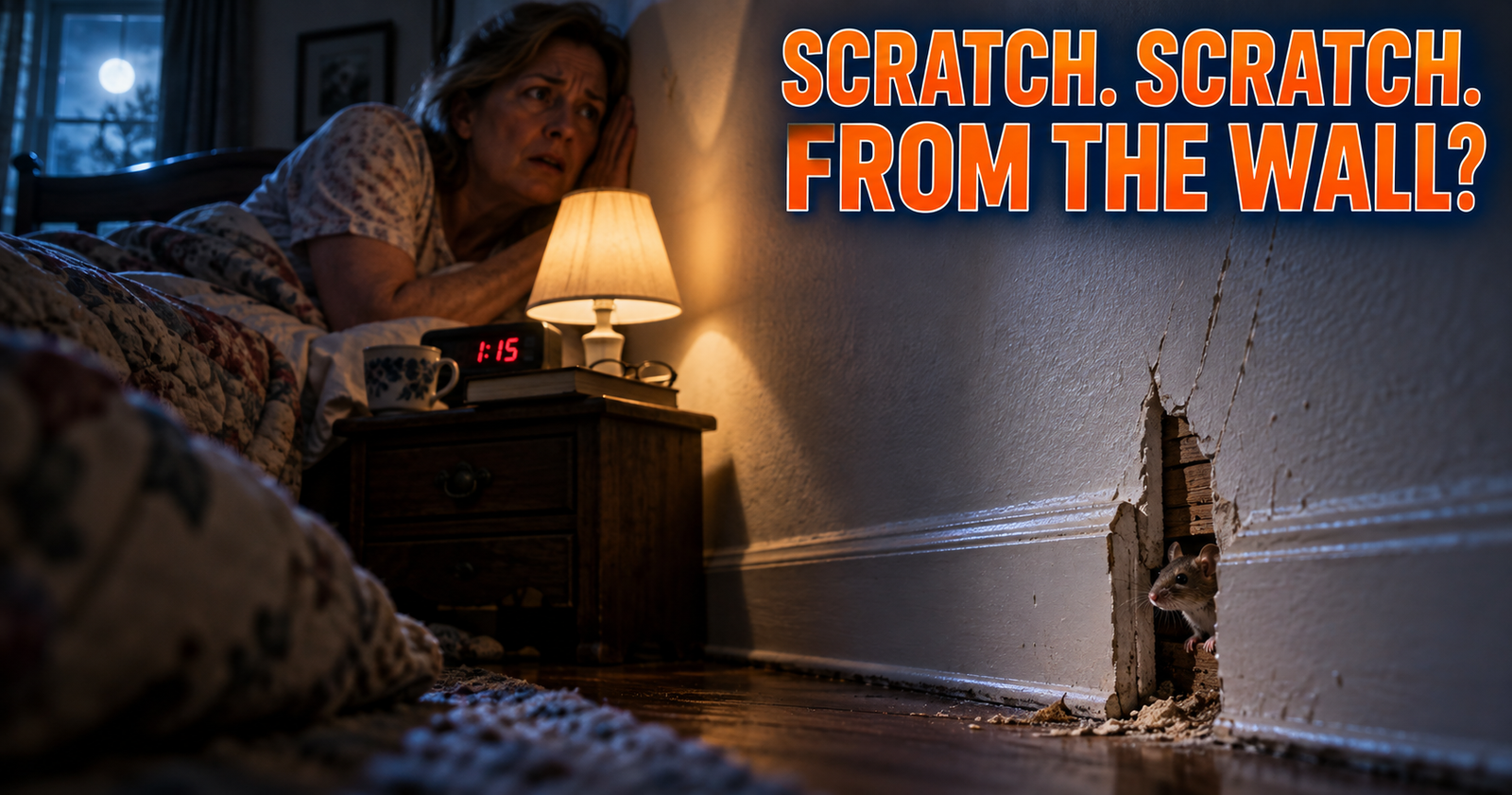
Wall noises.
Additional catches.
Can You Reuse Mouse Traps?
Traditional snap traps can be reused.
Victor specifically lists its Metal Pedal trap as reusable or disposable after a successful catch.
CDC also provides instructions for disinfecting traditional snap traps when you plan to reuse them.
The OWLTRA killing chamber is also designed to be emptied and cleaned before resetting. (hiowltra.com)
Whichever trap you use, follow its cleaning instructions.
My Simple Buying Decision
If you want me to strip this entire article down to the actual buying decision, here it is.
Buy the Victor 12-Pack if:
You want inexpensive mouse control.
You have several active areas.
You don’t mind traditional snap traps.
You want to deploy numerous traps at once.
You don’t want batteries.
You want something simple and reusable.
Check the Victor Metal Pedal Mouse Traps 12-Pack on Amazon
Buy the OWLTRA OW-2 if:
You hate traditional snap traps.
You prefer an enclosed design.
You don’t want to see an exposed mouse after a catch.
You’re okay paying more for convenience.
You only need a couple of electronic traps.
You’re using them in dry indoor locations.
Check the OWLTRA OW-2 Indoor Electric Mouse Trap 2-Pack on Amazon
I wouldn’t make the decision more complicated than that.
What I Would Personally Start With
For an ordinary mouse infestation in a house, I’d start with the Victor Metal Pedal 12-Pack.
Not because it’s fancy.
It’s the opposite of fancy.
I like it because mouse trapping is often a numbers-and-placement job.
If I have five active routes, I want enough traps to cover five active routes.
And if I discover three more areas tomorrow, I want more traps available.
That’s where the multipack earns its place as my overall pick.
But OWLTRA Solves a Real Problem Too
I don’t consider the OWLTRA recommendation filler.
There are people who will simply not use traditional snap traps.
Maybe they hate setting them.
Maybe seeing the mouse bothers them.
Maybe they want an enclosed chamber.
For those readers, telling them “just buy Victor” isn’t useful.
The OWLTRA gives them a legitimate poison-free alternative that still lets them remove the captured mouse rather than wondering where it died.
That’s why both products belong here.
Don’t Buy a Better Trap Until You’ve Fixed Bad Placement
Before spending more money because your current traps aren’t working, make sure the traps aren’t sitting in useless locations.
Look for:
Droppings.
Gnawing.
Food damage.
Nesting material.
Wall travel routes.
Actual sightings.
Put traps there.
CDC’s guidance is very clear that traps should go where rodents or rodent evidence have been observed.
If you’re putting a trap in a random room because it’s convenient, the product may not be the problem.
And Don’t Forget Why the Mice Are There
This is the part that matters more than which trap wins my comparison.
Mice got inside somehow.
They may have found:
A garage-door gap.
An opening around plumbing.
A utility penetration.
A foundation gap.
A damaged vent.
A roofline opening.
Something around pencil-width can be enough.
If you don’t close those access points, you can own the best mouse traps in America and still keep catching new mice.
The Best Mouse Trap Should Eventually Become Boring
This is what I actually want for you.
Buy the traps.
Use them correctly.
Catch the mice.
Then fix the house.
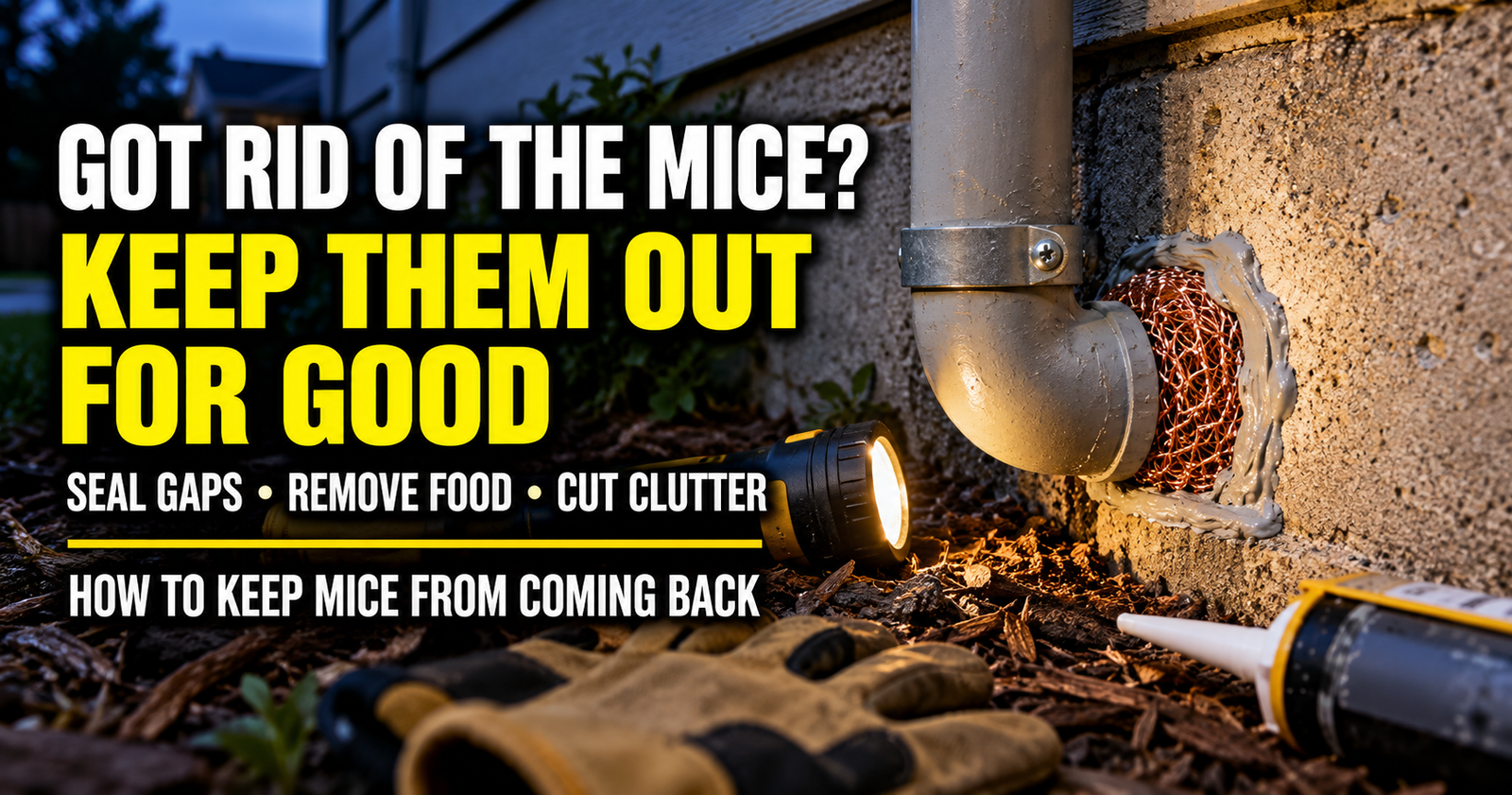
We’ve already built a complete guide to keeping mice from coming back after you get rid of them.
That’s the page I’d read after the traps start working.
Because eventually I want your mouse traps sitting there doing absolutely nothing.
No blinking catch light.
No snapped bar.
No missing bait.
No mouse.
That’s success.
My Final Pick
For most homeowners who are comfortable using a traditional snap trap:
Victor Metal Pedal Mouse Traps 12-Pack wins.
It’s simple, inexpensive, reusable, doesn’t require poison, and gives you enough traps to cover multiple active routes.
See the Victor Metal Pedal Mouse Traps 12-Pack on Amazon
For somebody who absolutely hates exposed snap traps:
OWLTRA OW-2 Indoor Electric Mouse Trap 2-Pack is my alternative.
You pay more, but you get an enclosed electronic design, LED catch notification, and easier disposal.
See the OWLTRA OW-2 Indoor Electric Mouse Trap 2-Pack on Amazon
I wouldn’t buy both unless your particular situation genuinely calls for both styles.
Pick the one you’ll actually use correctly.
Put it where mice actually travel.
Use enough traps.
Keep them away from children and pets.
Check them every day.
And while you’re catching the mice already inside, find and seal the openings letting new mice enter.
That’s how a mouse trap becomes part of a solution instead of something you keep rebaiting forever.
About the author: Caleb Rourke researches how mice and other rodents get into homes, where they hide, and the practical steps homeowners can use to identify and prevent them. He writes straightforward rodent-control guides for Critter Answers.