
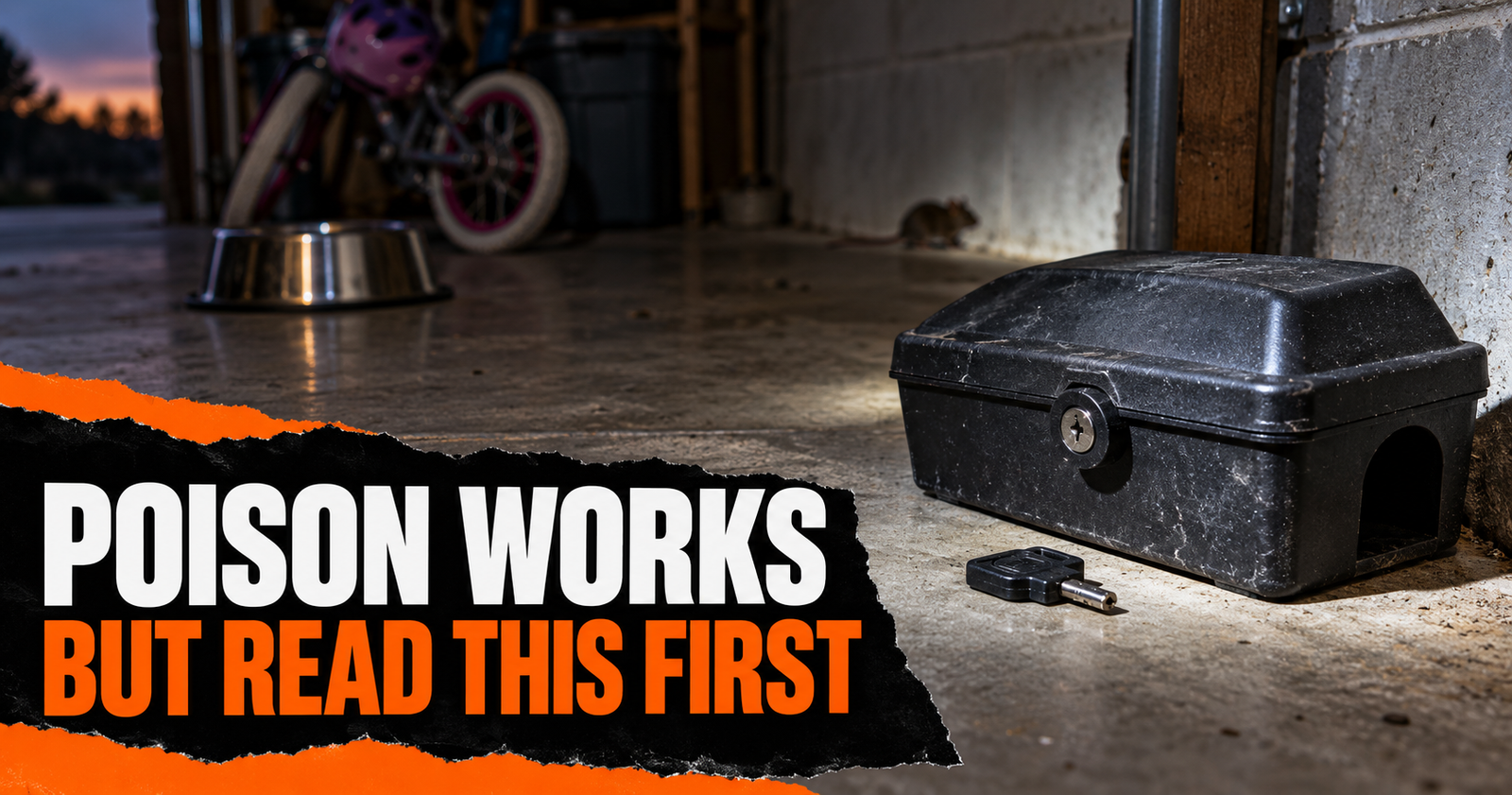
Should You Use Mouse Poison? The Pros and Cons Nobody Should Hide
Mouse poison can work, but it has real drawbacks. Here’s an honest look at effectiveness, dead-mouse odors, pets, bait stations, and traps.

Mouse poison can work, but it has real drawbacks. Here’s an honest look at effectiveness, dead-mouse odors, pets, bait stations, and traps.

Saw one mouse in your house? It doesn’t prove dozens are hiding. Use these clues to tell whether you have one mouse or a larger problem.
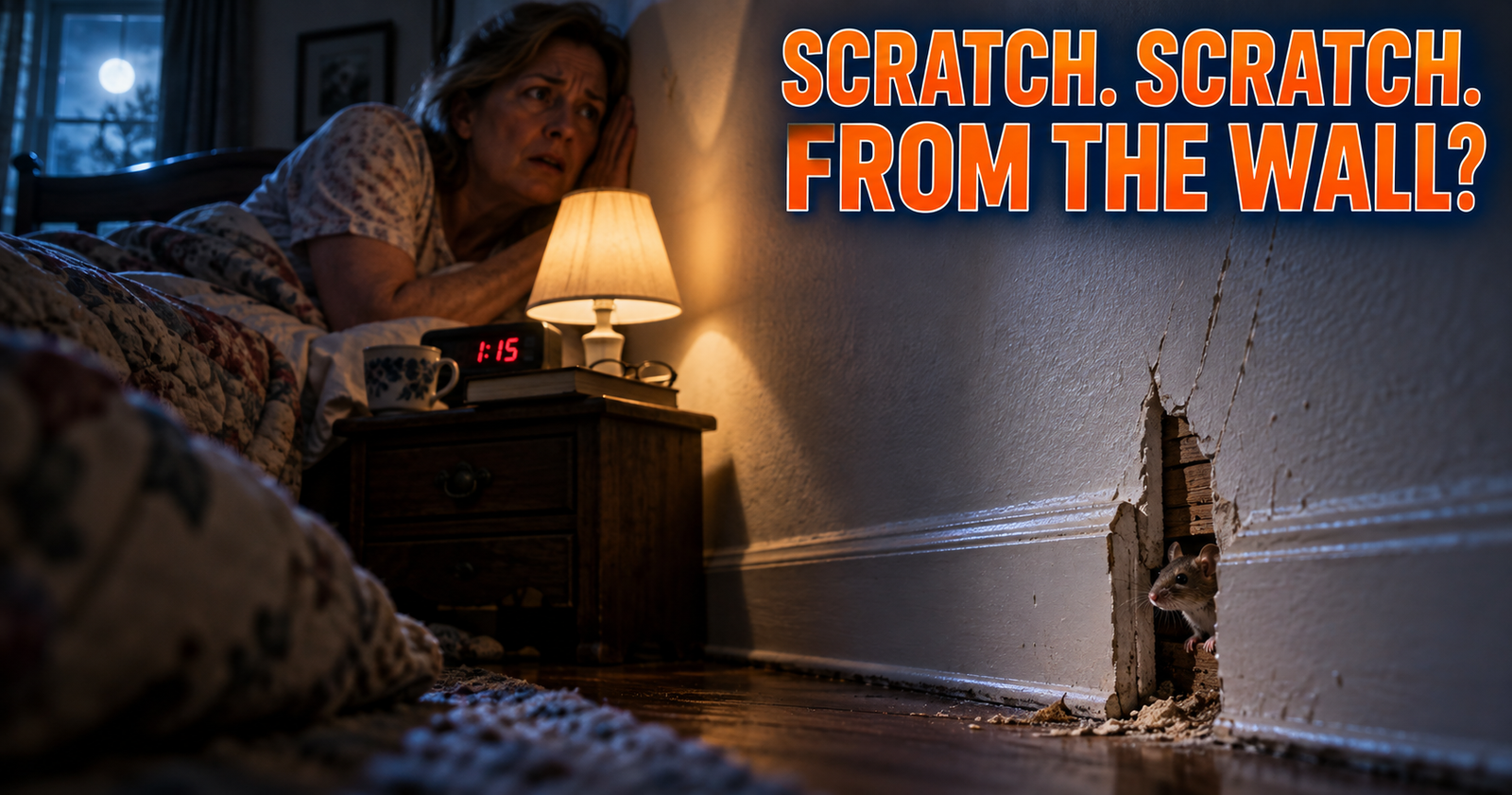
Nighttime scratching makes mice a reasonable suspect, not a confirmed diagnosis. Match the sound and timing with droppings, gnaw marks, nesting material, or tiny openings, then follow the wall to find where the mouse emerges instead of tearing into drywall.
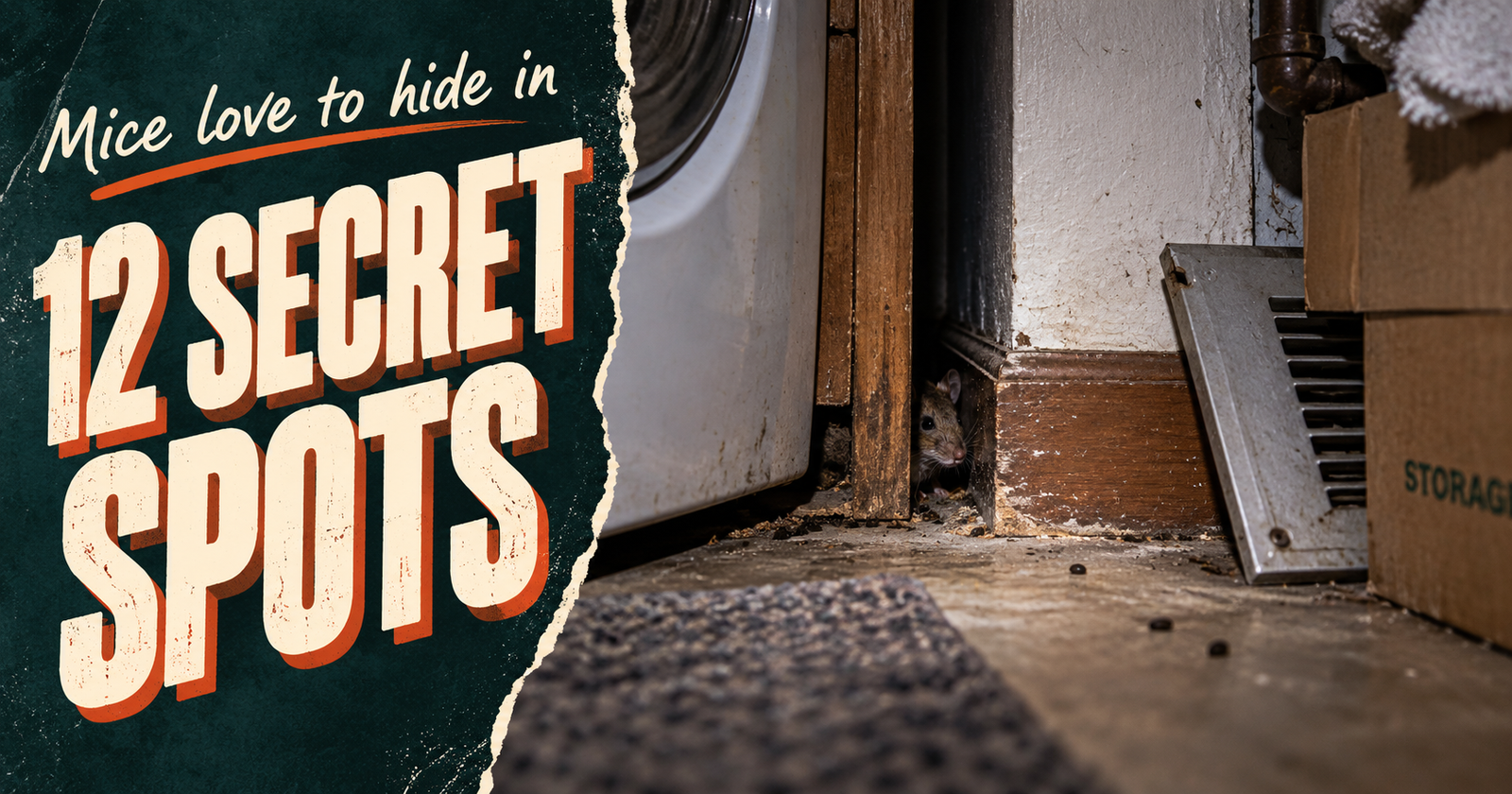
Mice hide close to food and shelter. Check these 12 common hiding spots behind appliances, inside cabinets, walls, attics, garages, and more.
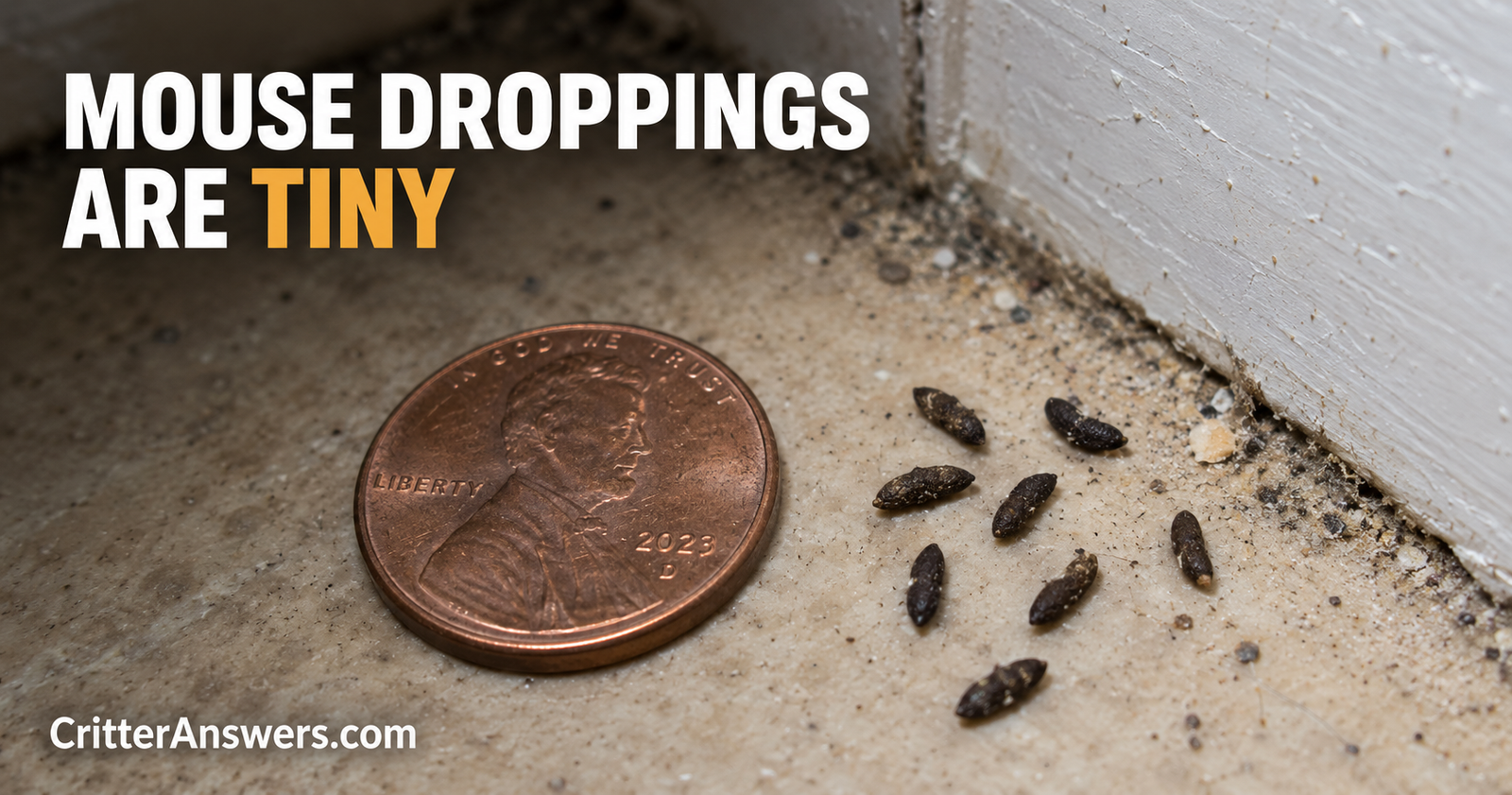
Mouse droppings are small, dark, and easy to miss. Learn what mouse poop looks like, where you’ll find it, and what to do next.
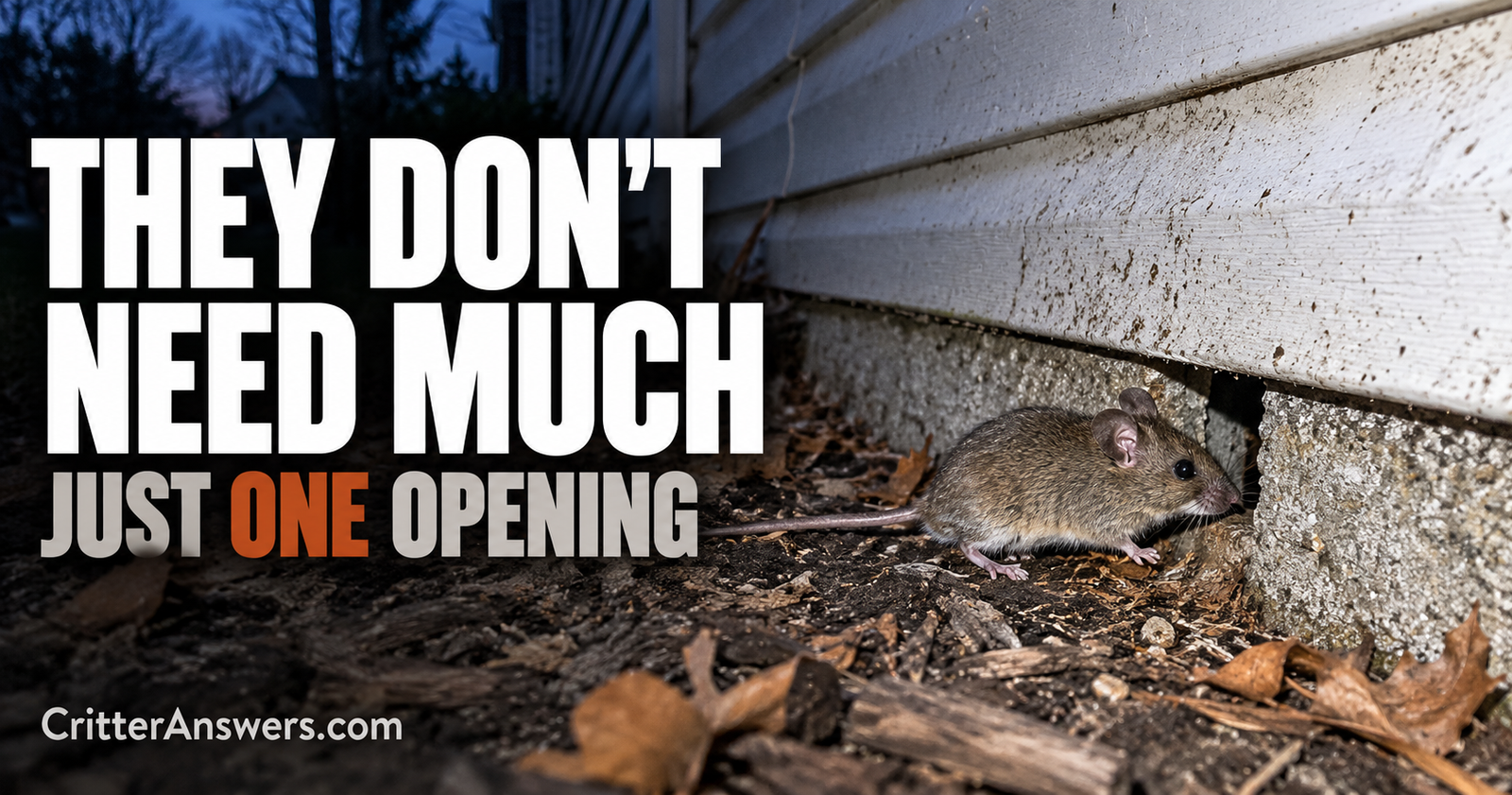
Mice can squeeze through tiny gaps. Check these common mouse entry points around doors, pipes, foundations, garages, vents, and your roof.
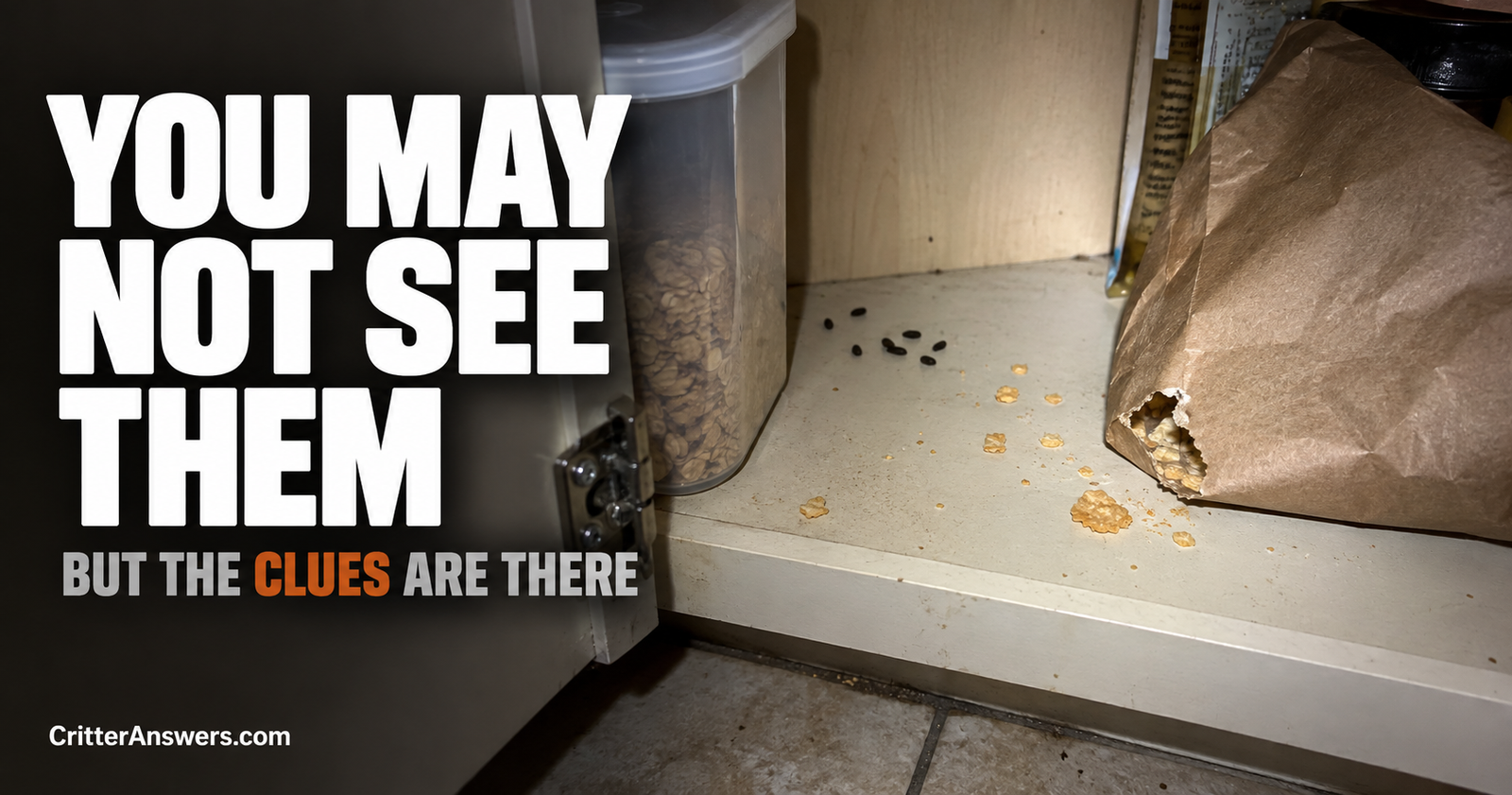
Think you have mice? Droppings, gnaw marks, nighttime sounds, nests, odors, tracks, and food damage can reveal a hidden mouse problem.
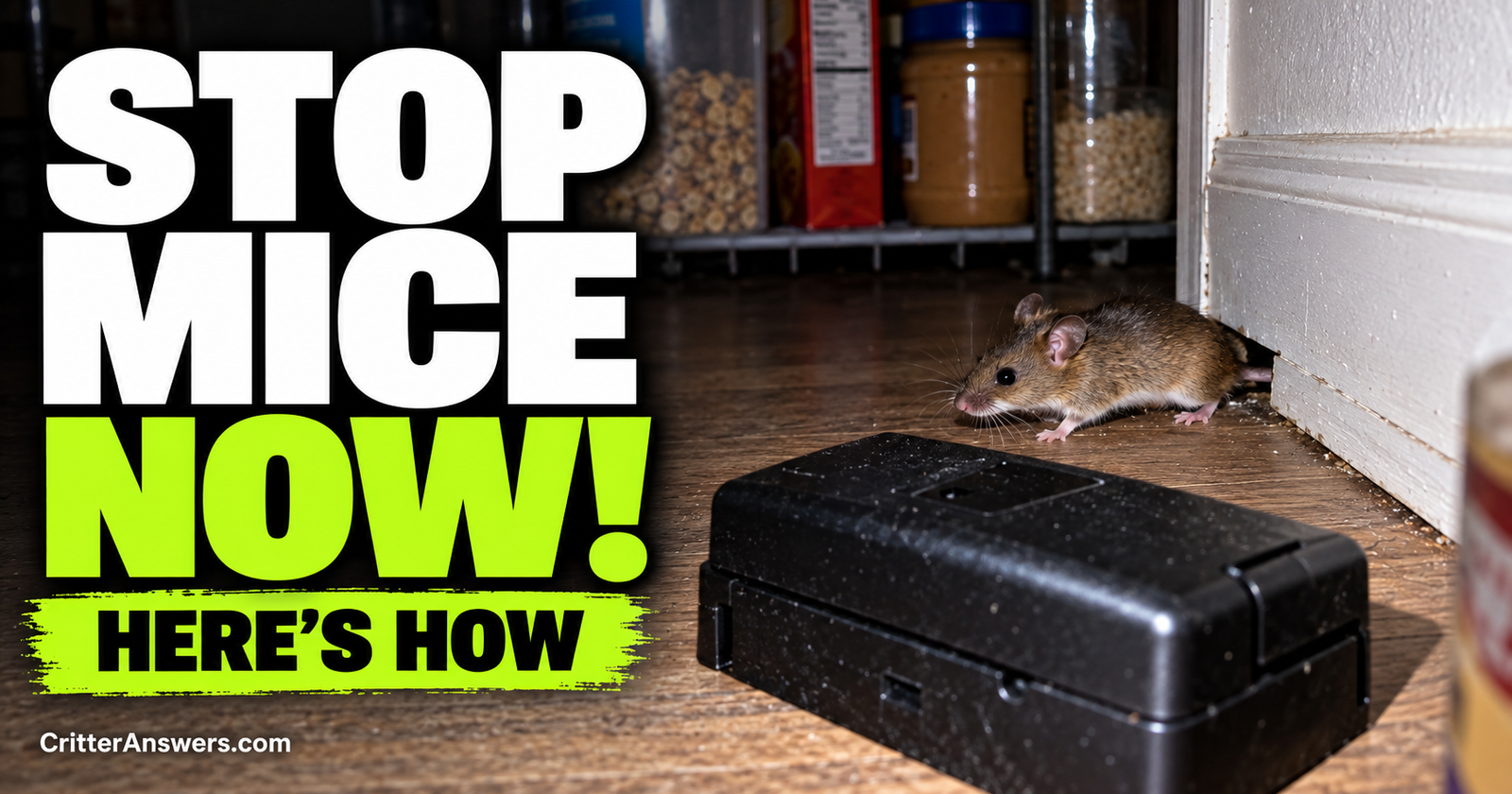
Got mice in your house? Learn how to trap the mice inside, find their entry points, seal the gaps, and keep them from coming back.
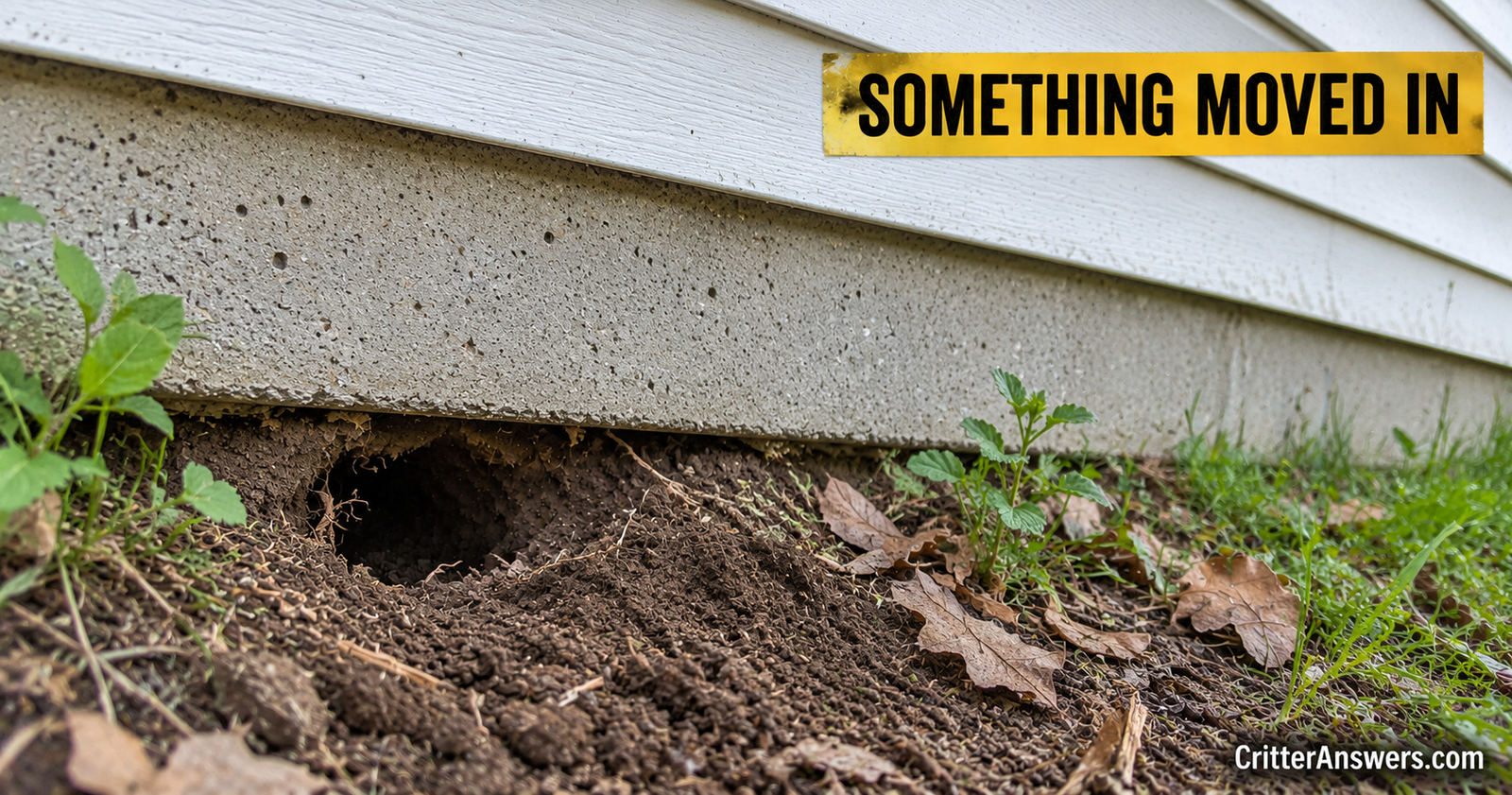
Found a hole beside or under your house? Size, dirt, tracks, location, and other clues can reveal what animal is using it.
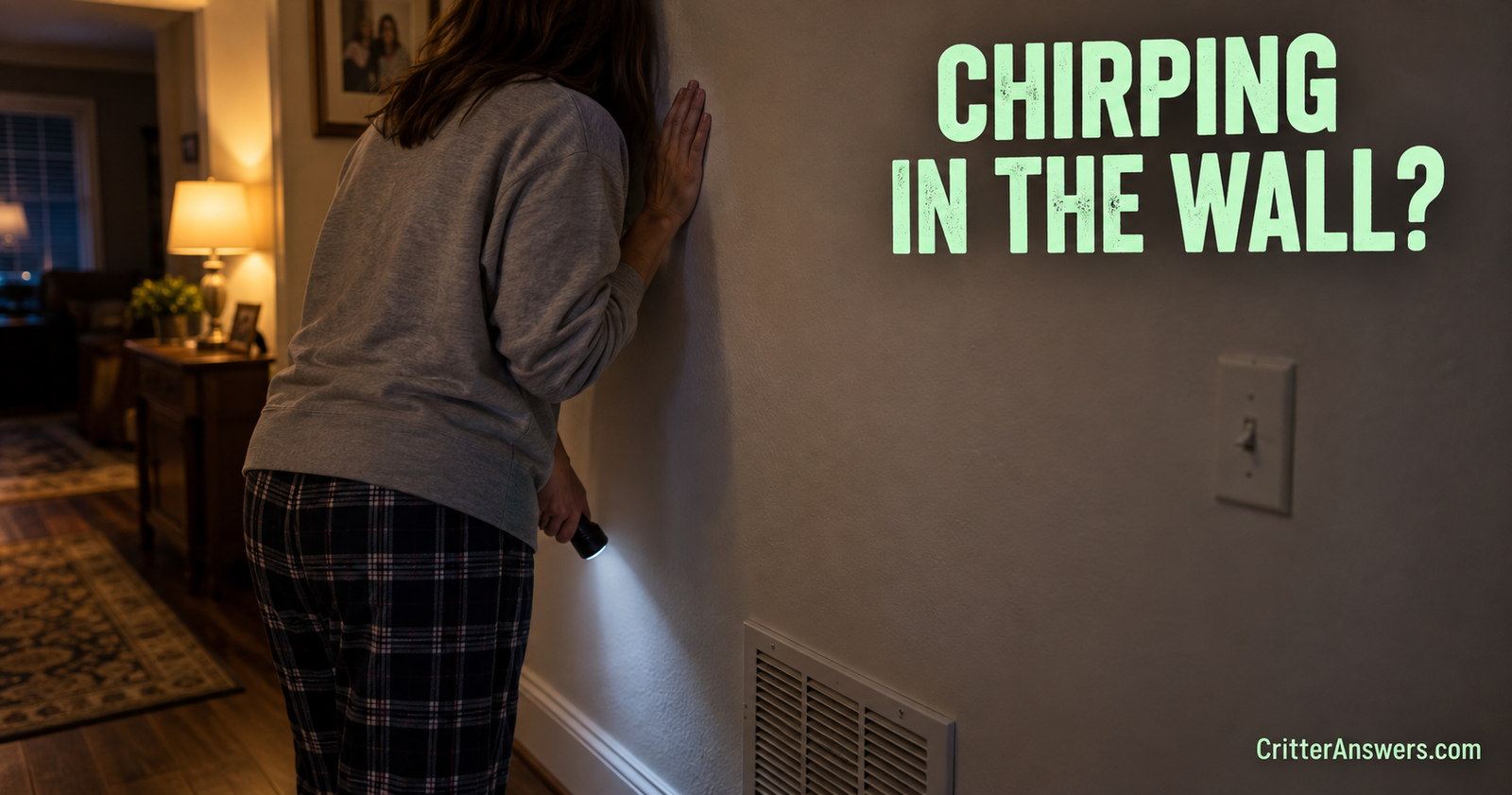
Hear chirping inside a wall? Timing, fluttering, scratching, droppings, and entry points can help tell bats, birds, mice, and wildlife apart.