
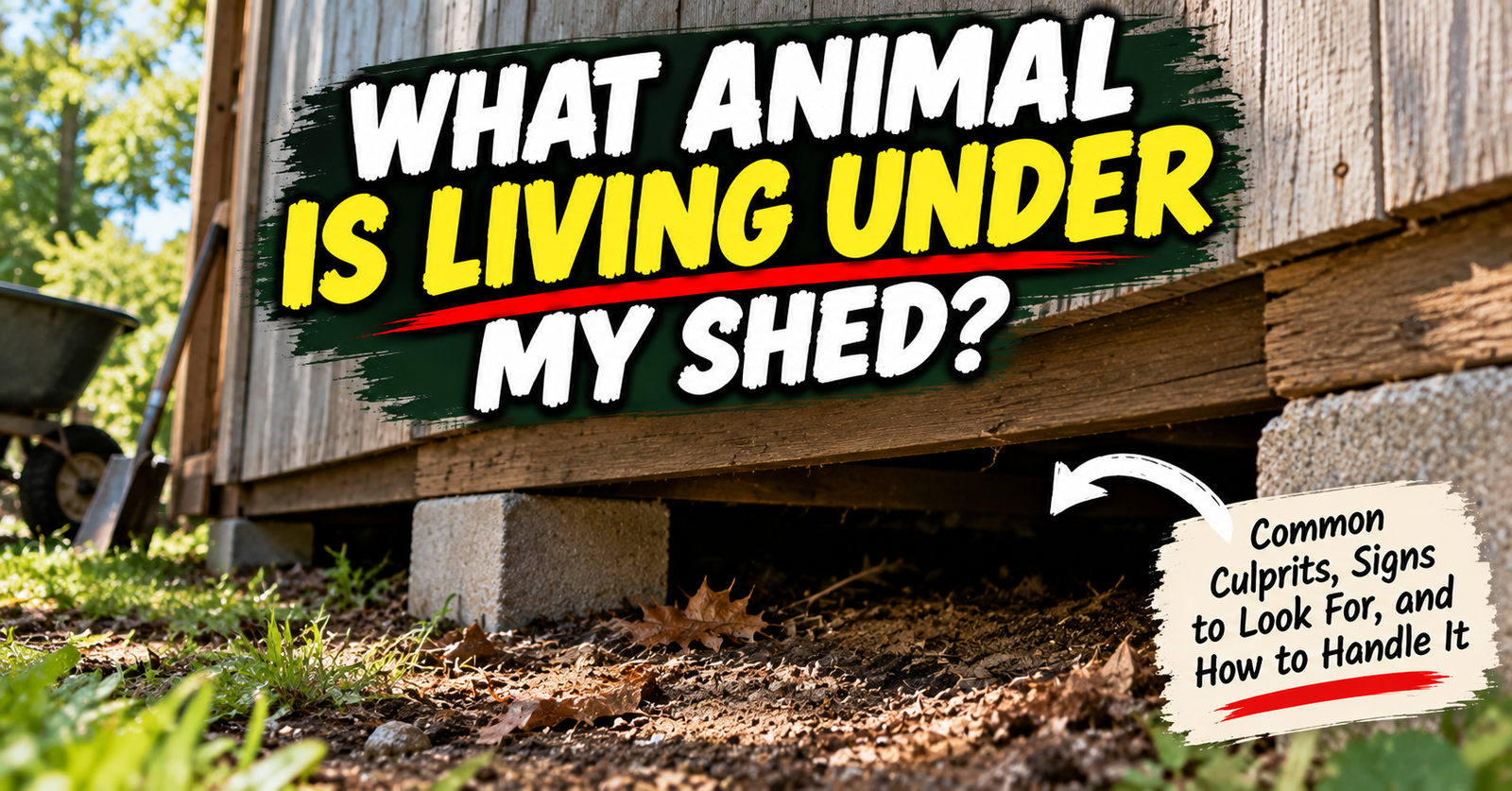
Finding a hole under your shed can leave you with two questions at once.
What animal is living under there, and is it hurting the shed?
Groundhogs, skunks, rats, chipmunks, raccoons, opossums, and other animals can use the protected space beneath sheds. Some actually excavate burrows. Others simply take advantage of a hole another animal made or a gap that was already there. The same identification clues apply when comparing animals beneath a porch.
That difference is one of the first clues I’d look at.
I also want to know how large the entrance is, how much dirt has been moved, whether the animal is active during the day or night, what tracks are around the shed, whether there’s an odor, and what’s stored inside the building. Those timing clues can also help when you're trying to interpret whether the animal is active during the day or night.
Put those clues together and an anonymous hole under the shed can become much easier to explain.
Start by Looking at the Hole
Don’t reach inside.
Don’t stick a camera into a hole when you don’t know what’s on the other side.
And don’t start filling it.
Stand back and inspect the entrance during daylight.
Look at:
- Approximate width
- Shape
- Freshly exposed soil
- Amount of excavated dirt
- Tracks
- Hair
- Multiple entrances
- Worn trails
- Droppings
- Gnawing around the shed
- Whether the opening extends beneath the building
Hole size is useful because it can eliminate animals that simply couldn’t fit through it.
But remember the reverse isn’t necessarily true.
A large hole doesn’t prove a large animal made it. A smaller animal can use a larger opening.
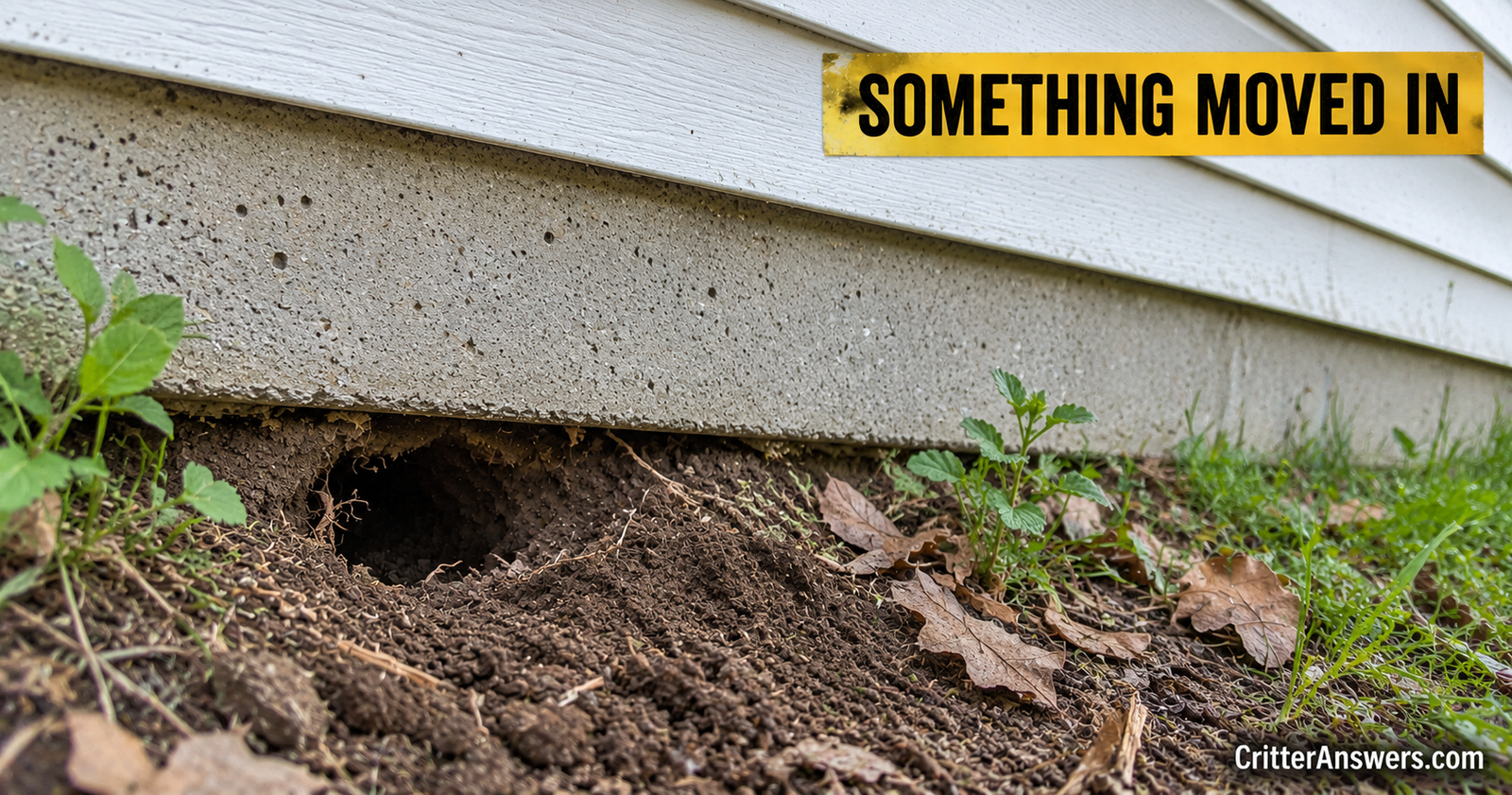
A Big Hole With a Lot of Dirt Makes Groundhogs a Top Suspect
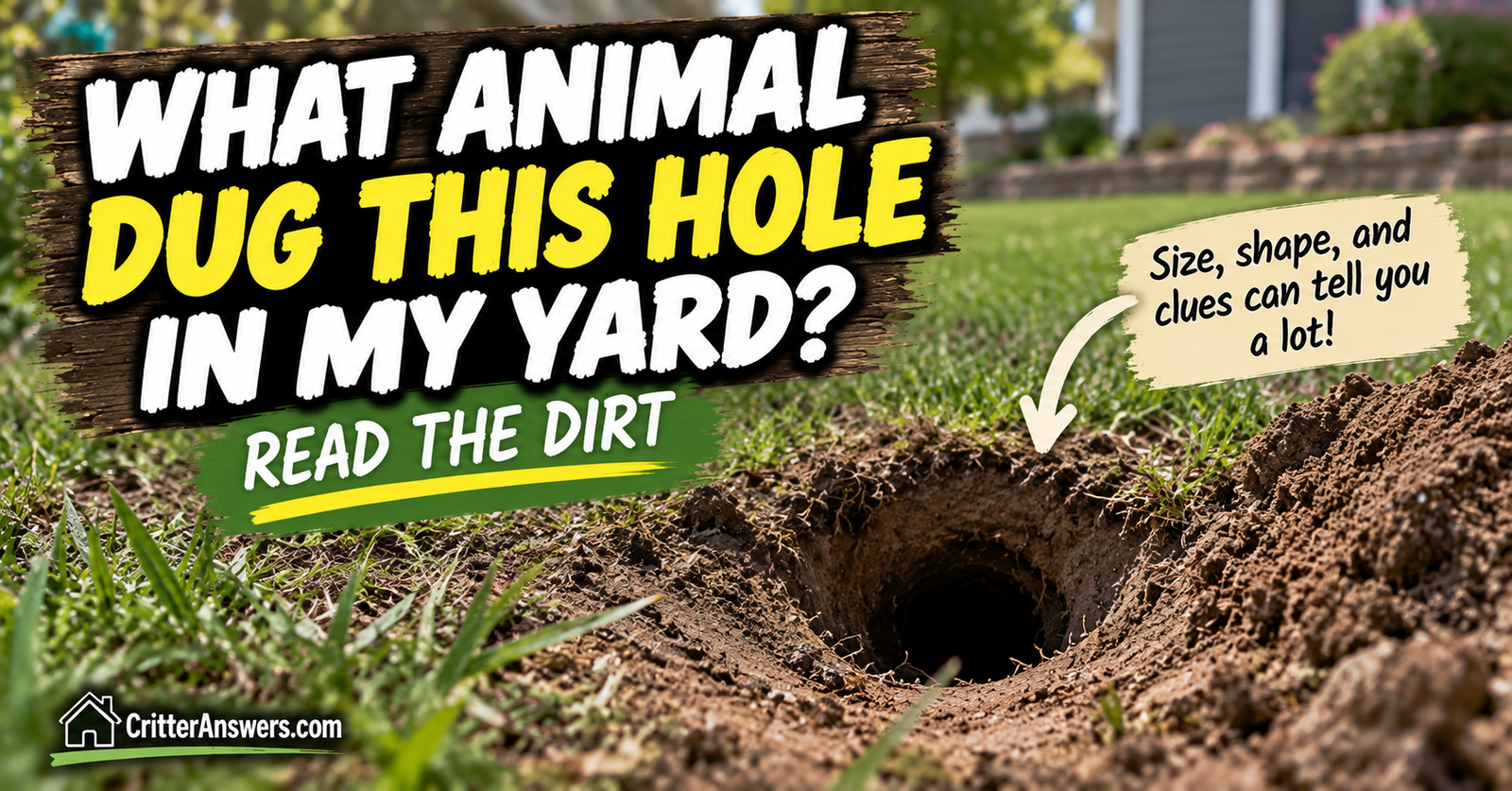
If I see a substantial opening disappearing beneath a shed with a noticeable pile or fan of excavated soil outside, groundhog is one of my first thoughts. Those excavation clues are also useful when identifying the animal that dug the hole, as explained in substantial opening disappearing beneath a shed.
Groundhogs, also called woodchucks, are capable diggers that construct extensive underground burrow systems.
They don’t merely need a convenient dark space beneath the shed. They can turn the soil underneath and around it into their own underground home.
Look for:
- A large burrow entrance
- Substantial excavated soil
- More than one entrance nearby
- Packed travel paths
- Daytime activity
- Garden or landscape feeding damage
A main groundhog burrow can have additional entrances that aren’t nearly as obvious as the primary one.
So don’t inspect only the big pile of dirt.
Walk around the shed and look for other holes.
Why Groundhog Burrows Under Sheds Deserve Attention
A groundhog living under the back corner of a shed isn’t necessarily just a harmless neighbor.
The concern is where the burrow goes.
A large underground tunnel system can remove and redistribute soil beneath or alongside structures. Missouri Extension notes that woodchucks construct extensive burrow systems, sometimes with multiple entrances.
That matters more with some shed foundations than others.
A lightweight shed resting on skids is different from a building with a slab or masonry foundation.
Either way, watch for:
- New settling
- Soil disappearing beneath supports
- Unsupported areas
- Cracking
- Doors suddenly sticking
- A shed that appears to be shifting or leaning
I’m not saying every groundhog hole is about to swallow your shed.
But I wouldn’t ignore active excavation beneath a structural support either.
Daytime Activity Strengthens the Groundhog Case
Groundhogs are generally active during the day.
That’s a useful clue because several other animals likely to shelter beneath sheds are more active after dark.
Watch from a distance during daylight.
If a stocky brown animal emerges, feeds around the property, and bolts back underneath when disturbed, you’ve probably solved your mystery.
You may also notice feeding damage in a vegetable garden or around landscaping.
A large burrow plus excavated dirt plus daytime activity is a much stronger identification than hole size alone.

A Skunk Can Den Under a Shed
If the opening is substantial but the excavation doesn’t look quite like a groundhog project, consider skunks.
Skunks commonly use protected spaces beneath sheds, porches, decks, and other structures as dens. University of Maryland Extension specifically notes sheds among the structures skunks may burrow beneath or occupy.
And no, you don’t necessarily have to smell one.
That’s worth emphasizing.
No skunk smell does not automatically mean no skunk.
A skunk doesn’t continuously spray its den.
Look for other evidence.
Clues That Make Me Suspect a Skunk
I’d move skunk higher on my list if I found:
- Activity beginning around dusk or after dark
- A musky or occasional strong skunk odor
- A sheltered ground-level entrance
- Small digging spots around the lawn
- Tracks consistent with a skunk
- An animal captured on camera entering the opening
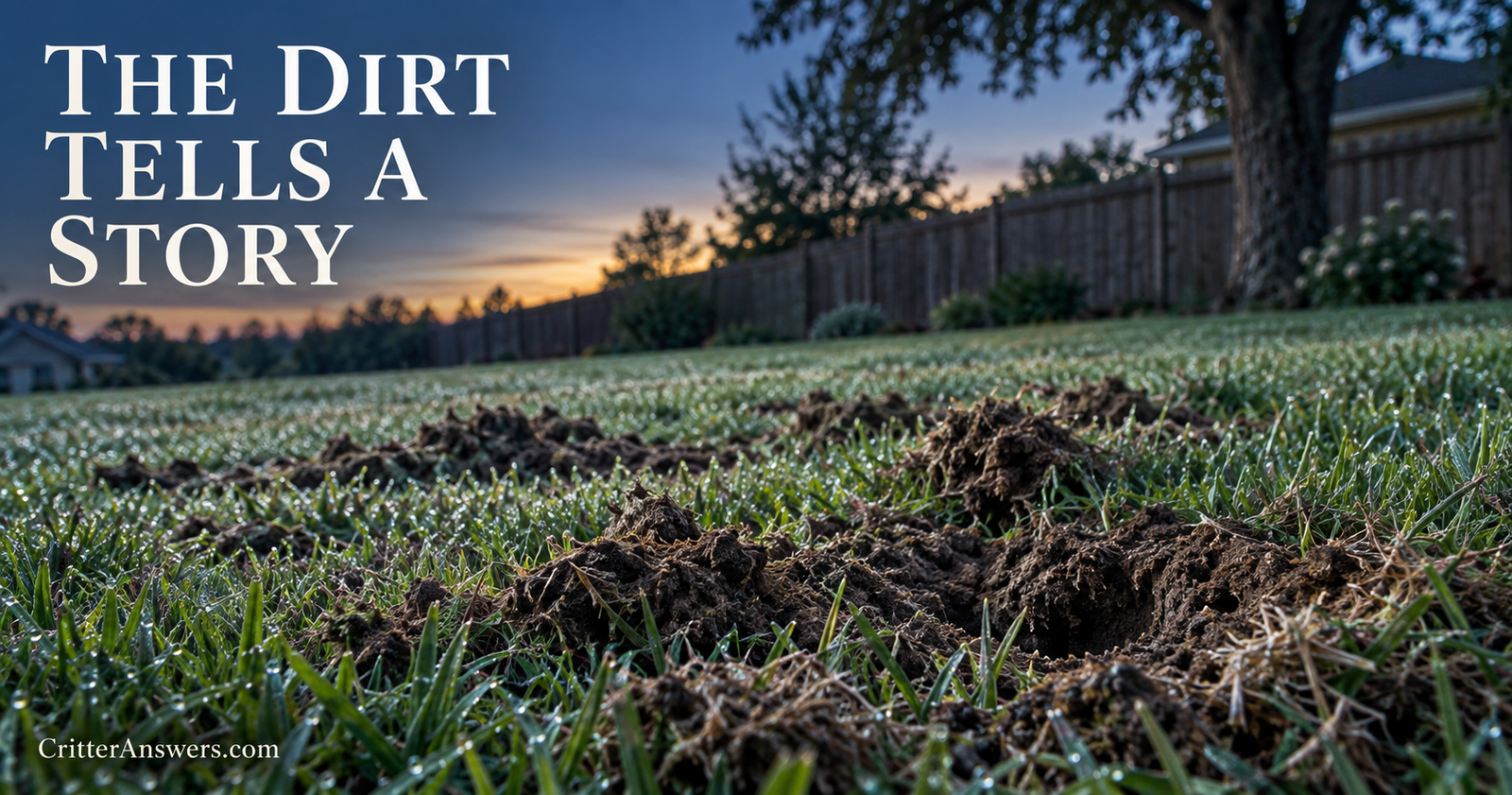
Skunks often forage for insects and can leave small holes or disturbed turf elsewhere in the yard.
That gives you evidence away from the shed too.
The shed may be where the animal sleeps.
Your lawn may show you where it eats.
Don’t Try to Flush a Skunk Out
This shouldn’t need much explanation.
If you think a skunk is underneath the shed, don’t poke sticks into the opening, blast water down the hole, send a dog after it, or crawl underneath to investigate.
A cornered animal may defend itself.
And with a skunk, you’ll probably know exactly when your investigation has become too enthusiastic.
Observe from a distance instead.
A camera is a much better detective.
Opossums May Move Into an Existing Space
An opossum changes the interpretation of the hole.
Opossums are opportunistic when it comes to shelter.
So if you have a convenient opening beneath the shed but little evidence of major fresh excavation, consider the possibility that the animal using the space didn’t actually dig it.
That’s important.

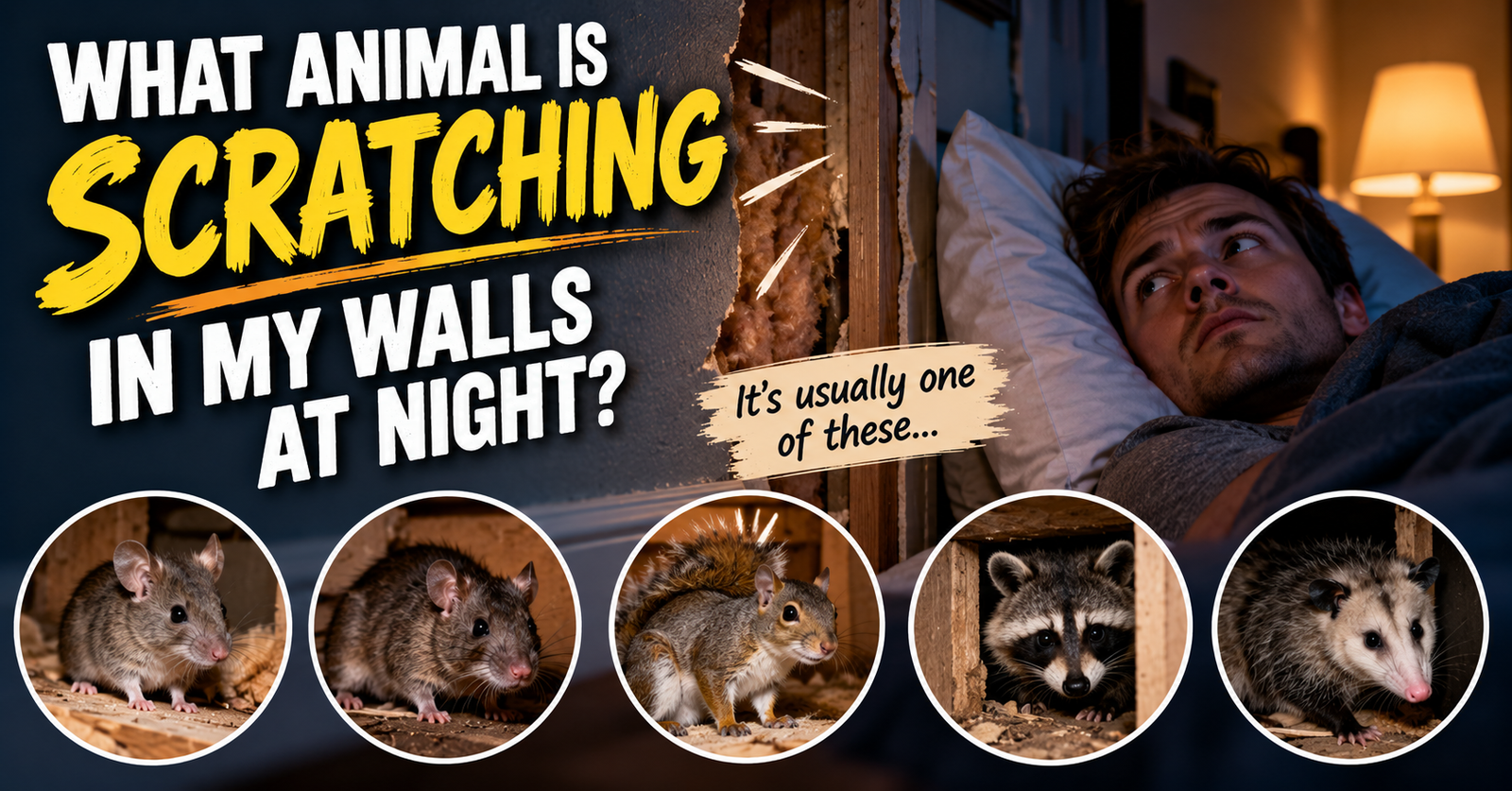
The animal that made a burrow and the animal currently living in it don’t always have to be the same species. Wildlife identification guidance notes that animals such as raccoons and skunks can use burrows they didn’t excavate, while true burrowing animals include woodchucks, chipmunks, voles, and Norway rats. If raccoons or skunks are also disturbing household garbage, raccoons and skunks around your trash provides another set of clues for comparing their activity.
Look at the age of the dirt.
Fresh excavation tells one story.
An old opening with fresh nighttime tracks tells another.
Raccoons Can Use Sheds for Shelter Too
Raccoons are another animal I’d consider when the opening is large enough.
They don’t need to excavate an elaborate groundhog-style tunnel to make use of a protected space.
Look for:
- Nighttime activity
- Larger tracks
- A worn entrance
- Hair
- Droppings
- Garbage disturbance
- Pet food disappearing
- Evidence of climbing or damage around the shed
- Camera footage
Raccoon tracks are particularly helpful when they’re clear because the long toes can give the prints a hand-like appearance.
If the tracks are muddy blobs, don’t force an identification.
Wait for better evidence.
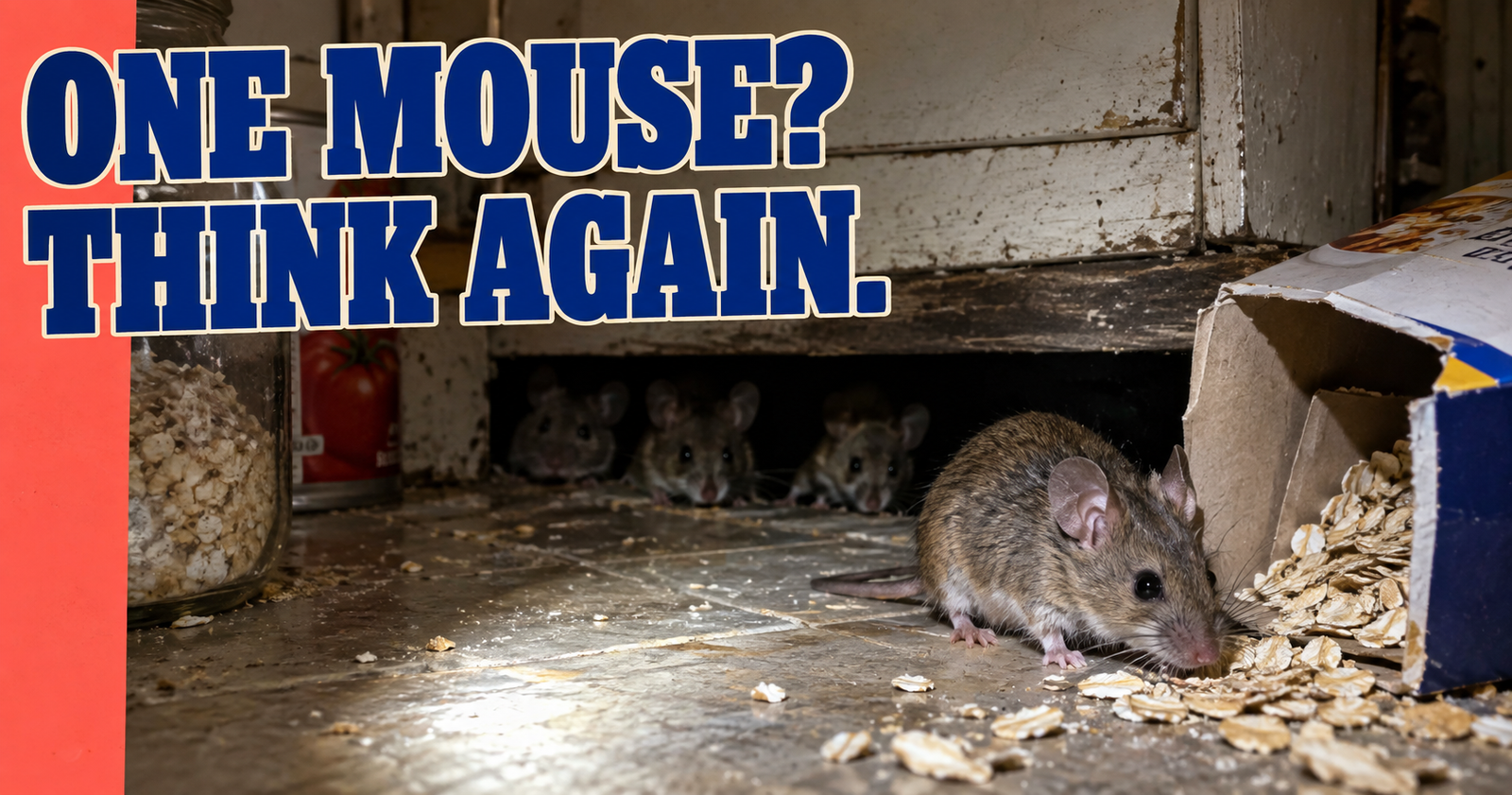
Rats Can Burrow Beneath Sheds
Now we get to an animal that’s much easier to overlook.
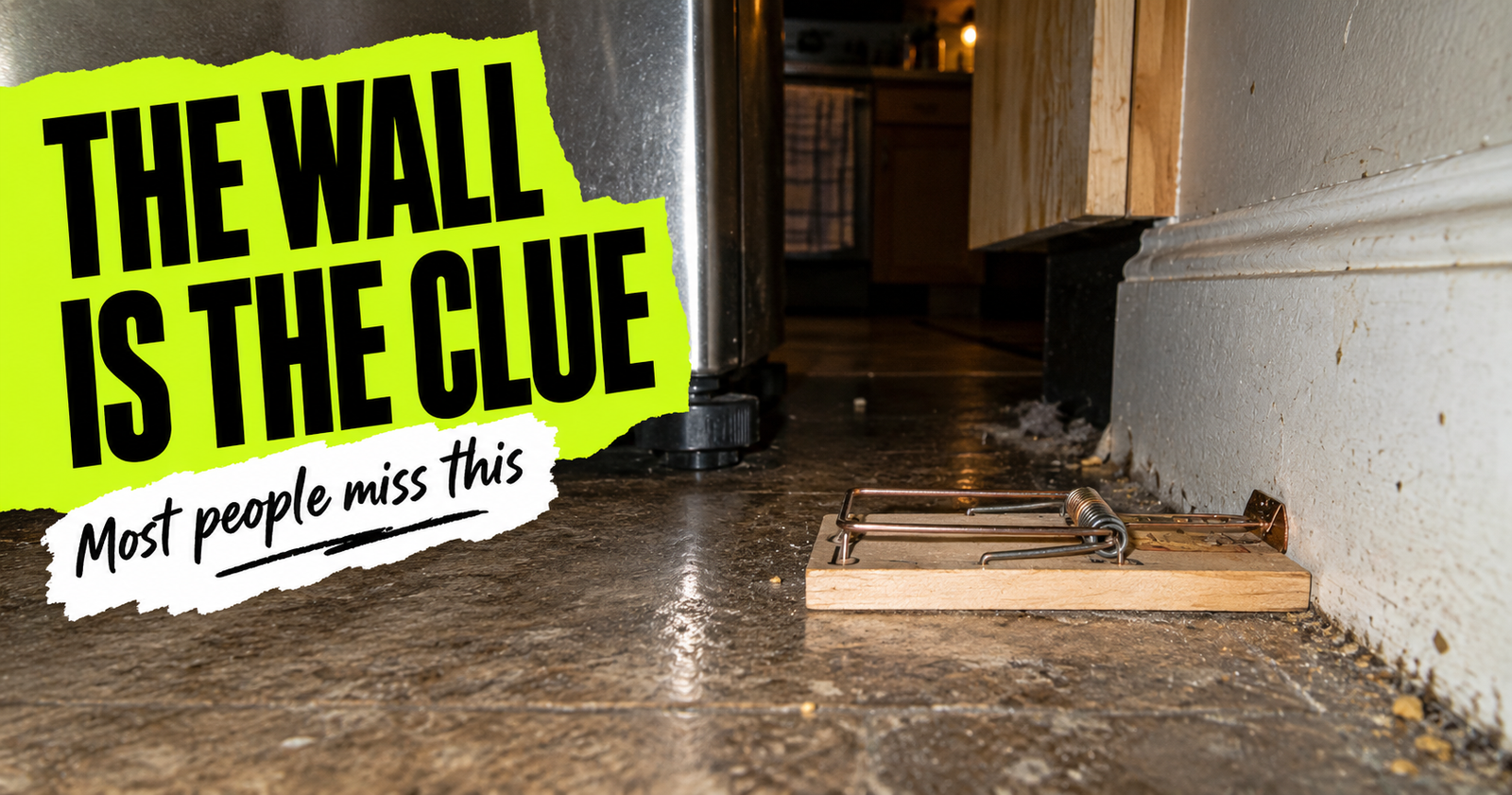
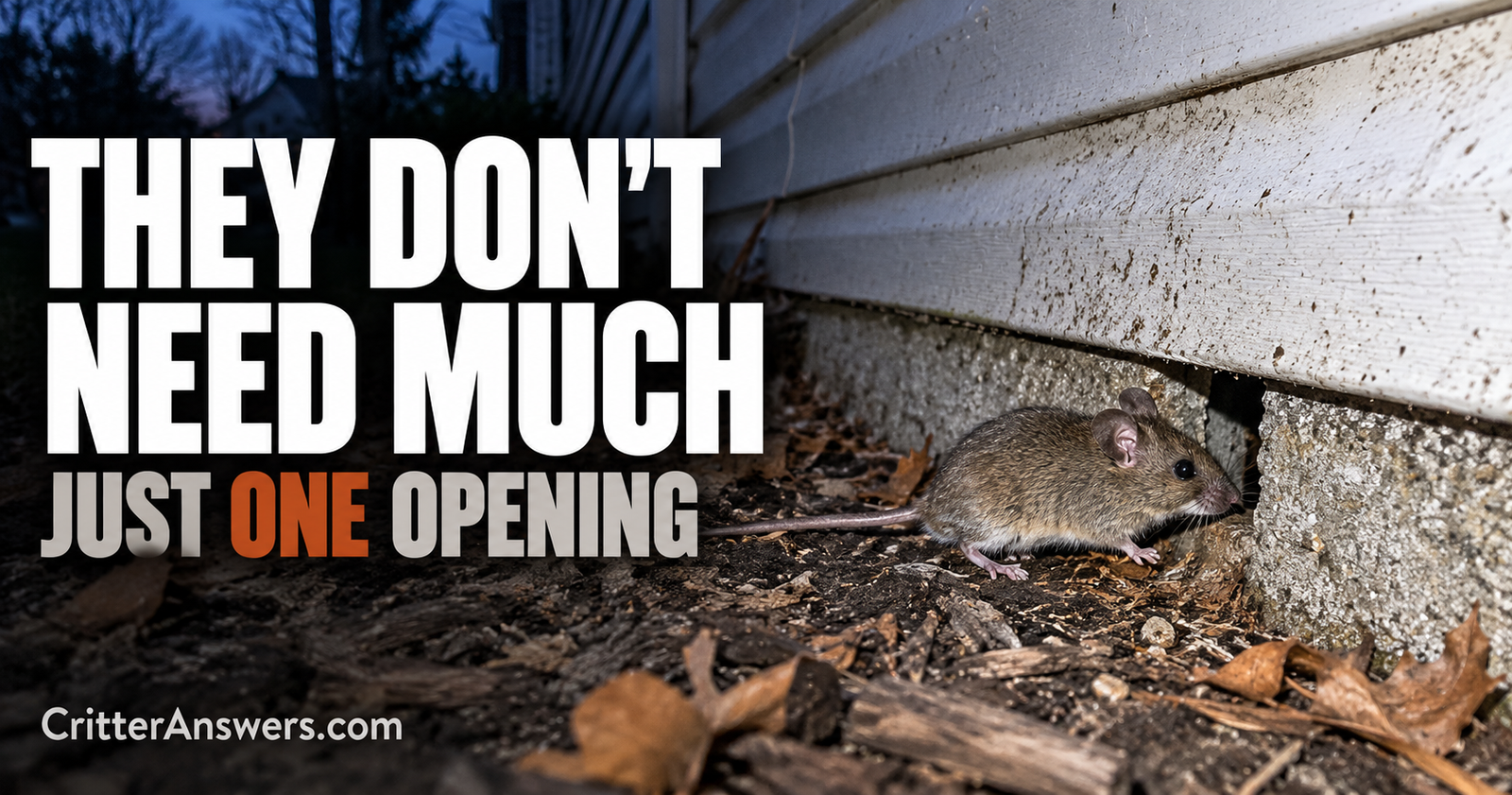
If the entrance is only a few inches across, rats become much more interesting.
Research-based wildlife identification guidance puts rat-sized entrances beneath structures around the 2-to-3-inch range, although hole size should always be treated as a clue rather than proof.
Look for:
- Smaller burrow entrances
- Multiple holes
- Smooth, well-used openings
- Worn travel paths
- Droppings
- Gnaw marks
- Nighttime activity
- Food nearby
And with a shed, that last clue can be huge.
What’s Stored Inside Your Shed?
This is one of the biggest differences between investigating a porch and investigating a shed.
A shed may contain food.
Not necessarily your food.
I’m thinking about:
- Bird seed
- Grass seed
- Livestock feed
- Chicken feed
- Pet food
- Garden seed
- Bulbs
- Garbage
- Animal treats
- Bags containing grain or seed
A rodent may have shelter beneath the shed and dinner sitting a few feet above its head.
That’s a pretty good arrangement from the rodent’s point of view.
Inspect stored bags and containers for gnawing, holes, spilled material, and droppings.
If you find those signs inside, the problem may extend beyond an animal simply living underneath.
Look for Gnawing Inside the Shed
Fresh gnaw marks can help connect an outside burrow with indoor activity.
Check accessible:
- Door corners
- Wood framing
- Stored boxes
- Feed containers
- Plastic bins
- Bags
- Wall edges
- Floor openings
Rodents may enlarge existing gaps to gain access.
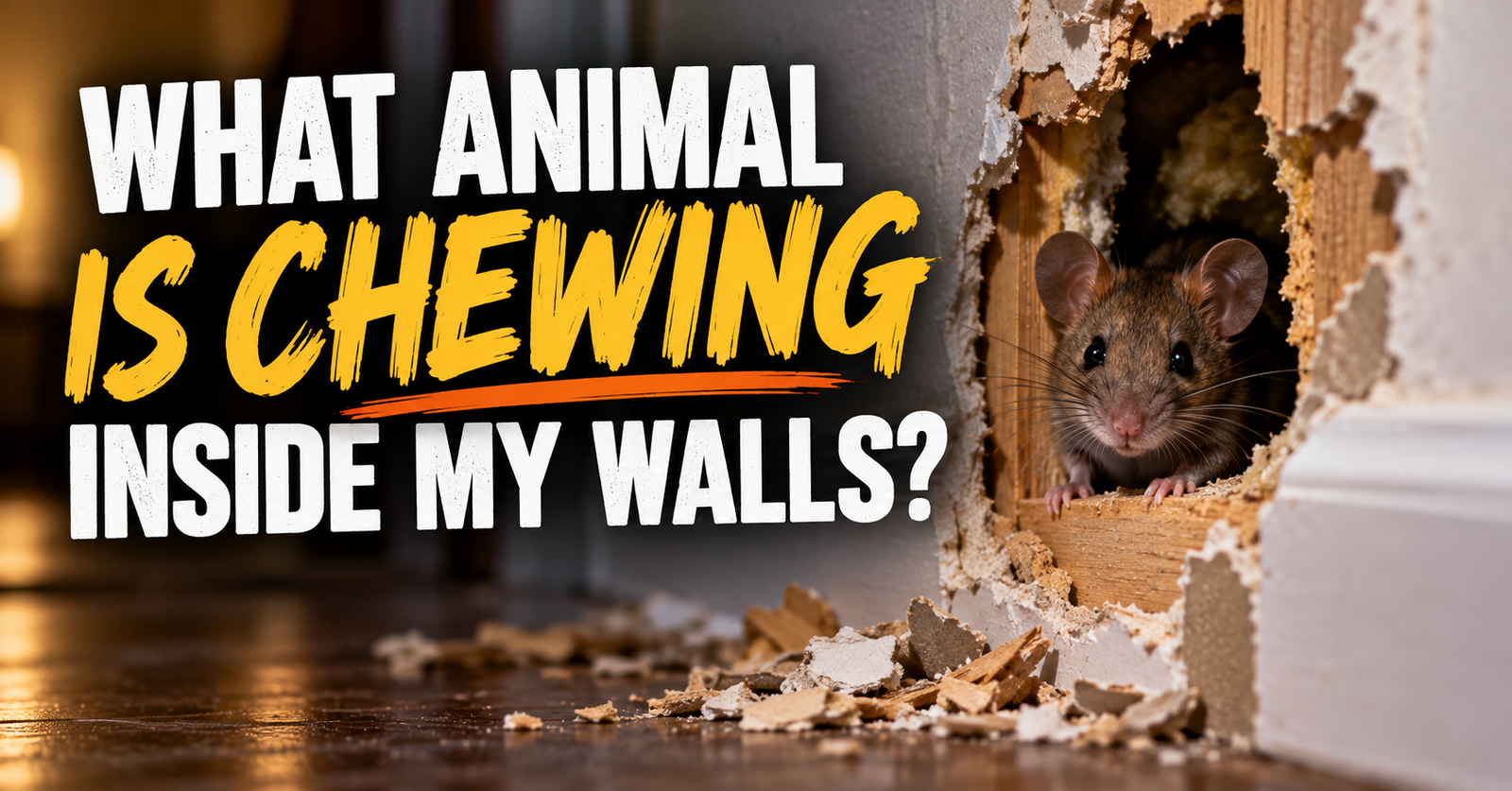
If you’re also hearing unexplained chewing elsewhere around the property, my guide to identifying an animal chewing inside walls explains how I separate gnawing from ordinary scratching and other noises.
Don’t overlook wiring either.
If electrical wiring inside the shed shows obvious chewing damage, shut off the affected circuit if it can be done safely and have the damage properly evaluated.
Chipmunks Leave a Much Smaller Calling Card
A small, tidy-looking burrow around the shed foundation can point toward chipmunks.
Chipmunk burrow entrances are generally much smaller than a groundhog opening, and chipmunks are active during daylight.
You may actually see them repeatedly dart between landscaping, feeders, stone walls, and the shed.
Look for:
- Small entrance
- Little obvious mound of excavated dirt
- Daytime activity
- Seeds or food nearby
- Multiple small openings
The Internet Center for Wildlife Damage Management describes chipmunk holes as cleanly dug and relatively small, and chipmunks themselves are readily seen during daylight.
A camera can confirm what your eyes miss.
Could Rabbits Live Under a Shed?
A rabbit may use protected cover around a shed, and abandoned burrows from other animals can also provide opportunities for wildlife.
But don’t assume a rabbit seen beside the shed excavated a large tunnel underneath it.
Look at the actual evidence.
Is it repeatedly entering the hole?
Are you seeing tracks?
Is the opening consistent with the animal?
Does it appear to be using vegetation or another sheltered area rather than a deep burrow?
One animal standing beside a shed isn’t enough to convict it.
What About Foxes?
A larger burrow opens up additional possibilities, particularly depending on where you live and the setting around the shed.
Foxes can use or modify existing dens, including burrows originally excavated by other animals. Wildlife identification guidance notes that foxes may take over another animal’s den, such as a woodchuck burrow.
Clues around a fox den can include animal remains, fur, bones, or feathers.
That would be a very different set of evidence from a groundhog burrow beside a vegetable garden.
If you suspect a larger predator rather than the usual backyard shed visitors, I’d rely more heavily on camera footage and tracks before doing anything around the entrance.
The Hole May Have More Than One Resident Over Time
This is easy to forget.
You might correctly determine that a groundhog dug the burrow and still be wrong about what’s currently living there.
Burrows can be reused.
One animal leaves.
Another discovers an excellent prebuilt underground apartment.
That’s why fresh signs matter more than assumptions about who originally excavated the hole.
Look for today’s tracks.
Today’s digging.
Today’s camera footage.
Today’s droppings.
That’s the animal you’re trying to identify.
Tracks Around a Shed Can Be Excellent Clues
Sheds often have bare soil around portions of their perimeter, which can make tracks easier to find than around a finished porch.
Look carefully after rain or when soil is slightly soft.
Photograph tracks before walking through them.
Try to capture:
- Entire track pattern
- Individual prints
- Something for scale
- Direction of travel
Don’t focus only on one footprint.
A trail showing where an animal approaches and disappears beneath the shed may be even more useful.
Look for a Worn Trail
Animals that repeatedly use the same den may develop predictable routes.
Look through nearby grass and vegetation.
You might notice:
- Flattened grass
- A narrow trail
- Bare soil
- Repeated tracks
- A path beneath a fence
- A route toward a garden
- A route toward water
- A route toward garbage or feed
Follow it visually rather than physically chasing the animal.
A trail can help you understand what the animal is doing once it leaves the shed.
Droppings Can Help Separate the Suspects
If you find droppings around or inside the shed, don’t handle them barehanded.
Photograph them where they are.
Size, shape, quantity, and location can all help.
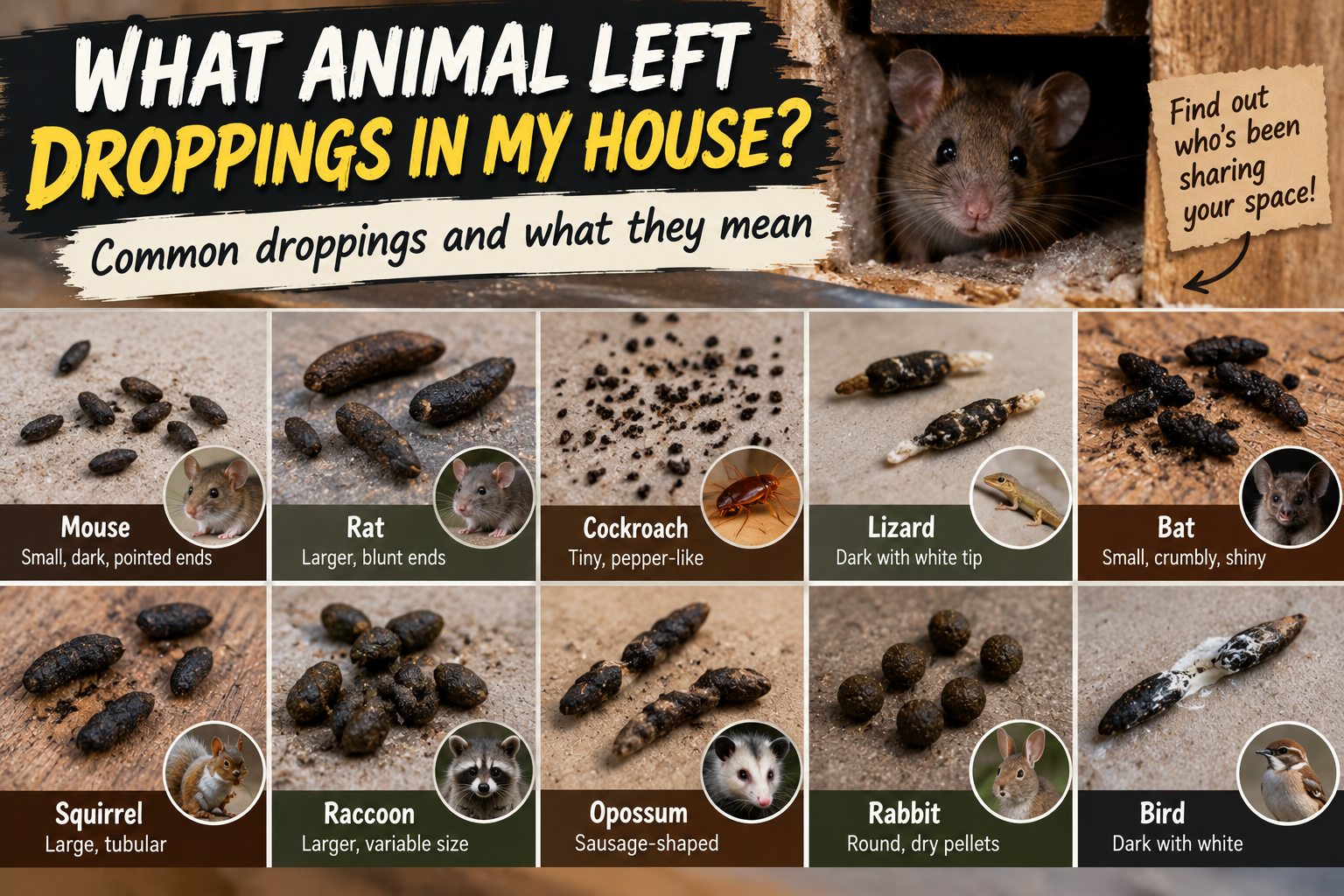
My guide to figuring out what animal left droppings around your home goes through how I use those clues together rather than identifying an animal from one dropping.
With sheds, location is especially useful.
Rodent droppings around stored feed tell you something.
Larger wildlife droppings along an outdoor travel route tell you something else.
Smell Can Point Toward More Than Skunks
Skunk is the obvious odor association, but don’t stop there.
Urine and feces from other animals can create strong smells too.
A dead animal inside or beneath a shed can produce an entirely different odor.

If you can’t tell whether you’re smelling a live animal, urine contamination, feces, or decomposition, my guide to tracking down an animal smell explains how I separate those possibilities.
Also remember that odors travel.
The strongest-smelling side of the shed isn’t guaranteed to contain the entrance.
Look at the Shed Foundation
How the shed was built changes where you should inspect.
Shed on skids or blocks
There may already be a void underneath.
An animal may simply need to find or enlarge a gap around the perimeter.
Inspect all sides and corners.
Shed on a concrete slab
Pay closer attention to excavation along slab edges.
If soil is being removed from beneath the slab, I take that more seriously than an animal simply sheltering beneath an elevated floor.
Shed with an enclosed foundation or skirting
Inspect the skirting itself.
Look for damaged sections, pushed-out material, gaps, and digging beneath it.
The visible hole may only be the doorway into a much larger protected space.
Fresh Dirt Is One of Your Best Clues
Old burrows weather.
Fresh digging tends to stand out.
Look for soil that’s:
- Loose
- Moist compared with surrounding dirt
- Free of vegetation
- Recently piled
- Different in color from the surface soil
- Scattered across grass or gravel
Then check it again tomorrow.
New dirt appearing tells you the excavation is active.
An unchanged hole covered with leaves and spiderwebs may not be.
Don’t Fill the Hole to See What Happens
This is sometimes suggested as a quick test.
I don’t like it when you haven’t identified the animal.
Filling an active entrance could trap wildlife underground or force an animal to dig aggressively around the obstruction.
And there may be young inside.
There are better ways to determine whether the hole is active.
A Camera Is Probably the Easiest Answer
For a shed, a motion-activated camera is hard to beat.
Aim it toward the entrance without blocking the animal’s path.
You can potentially learn:
- Species
- Number of animals
- Activity time
- Direction of travel
- Whether the burrow is active
- Whether young are present
- Whether multiple species are using the area
Wildlife cameras are commonly recommended as an identification tool when the animal isn’t being observed directly.
A few nights of footage can save a lot of guessing.
Don’t Forget to Look Inside the Shed
If you can safely enter the shed and there isn’t a wild animal visibly inside, inspect it too.
Look along walls and corners for:
- Droppings
- Tracks in dust
- Gnawing
- Nesting material
- Food caches
- Torn bags
- Damaged containers
- Holes through the floor
- Gaps beneath walls
An animal living underneath may also be getting inside.
That changes the problem considerably.
Now you’re dealing with both a den and a structural entry point.
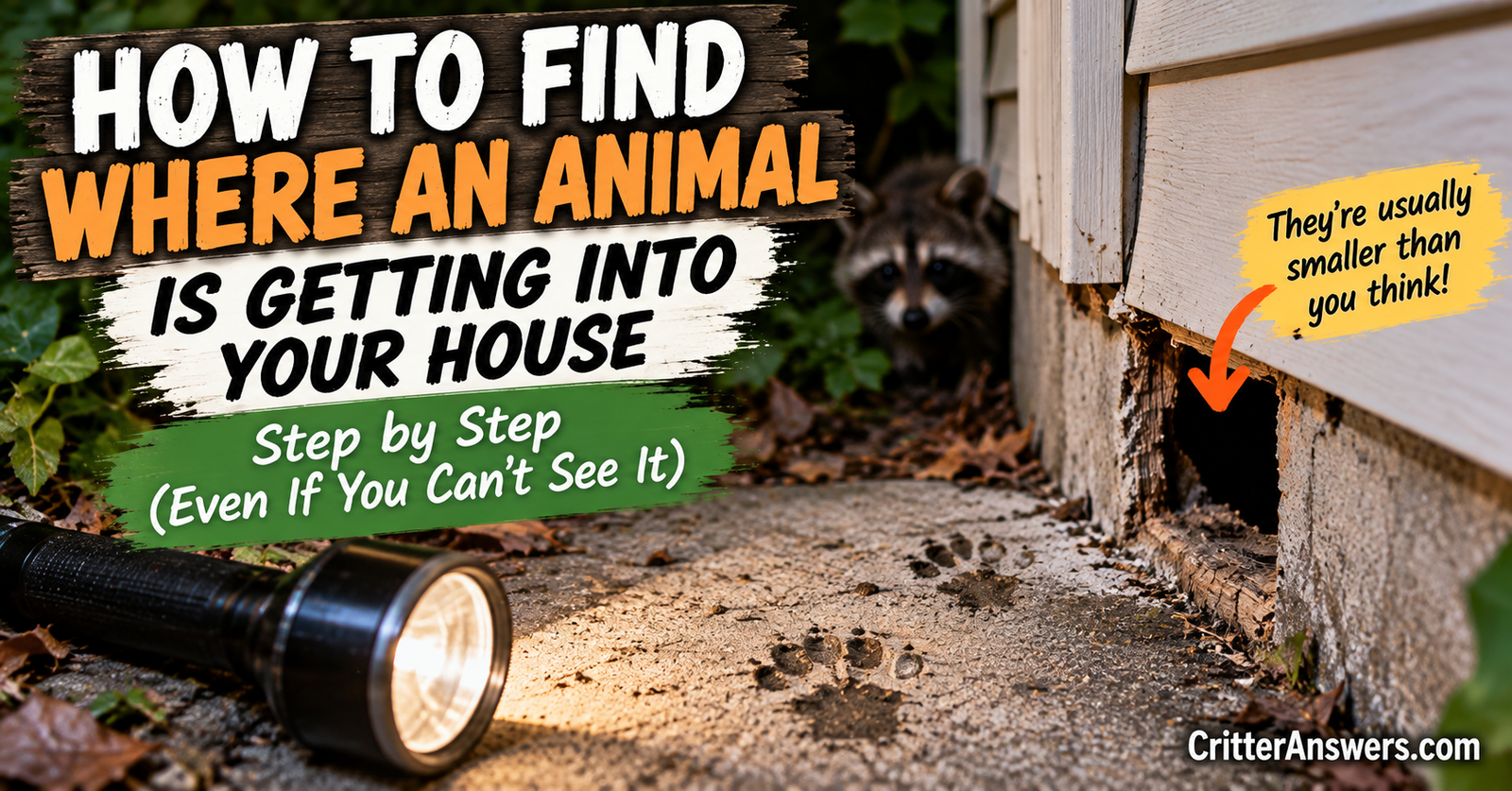
If you find a suspicious opening into the shed itself, use the same evidence-based approach I describe in finding where an animal is getting into a structure.
Find the active route before you start repairing holes.
There Could Be Babies Under the Shed
This is one of the biggest reasons not to rush.
Protected spaces beneath structures can be used as maternal dens.
If you see one adult leaving, that doesn’t prove there’s one animal.
Listen for young.
Watch camera footage.
Look for repeated trips by an adult.
Be particularly cautious during the species’ breeding and rearing season.
If you’re uncertain, a wildlife professional can help determine whether dependent young are present.
Don’t Seal an Occupied Burrow
This is the rule I would rather repeat too often than not enough.
Do not permanently seal the entrance while an animal is still underneath.
You could:
- Trap the animal
- Separate a mother from young
- Cause frantic digging
- Encourage a new entrance
- End up with a dead animal beneath the shed
First identify the animal.
Then determine whether the space is occupied and whether young are involved.
Only then should permanent exclusion enter the conversation.
Research-based wildlife guidance likewise recommends confirming that no wildlife remains beneath a shed, deck, or porch before securing the opening.
Don’t Automatically Reach for Poison
Poison is an especially poor reaction to an unidentified animal beneath a structure.
You may not even be dealing with a rodent.
And if a poisoned animal dies beneath an inaccessible shed floor, you’ve traded an animal problem for a decomposition problem.
There are also risks to pets, wildlife, and other animals depending on the product and circumstances.
Identify first.
Solve second.
Stored Feed Should Be Secured
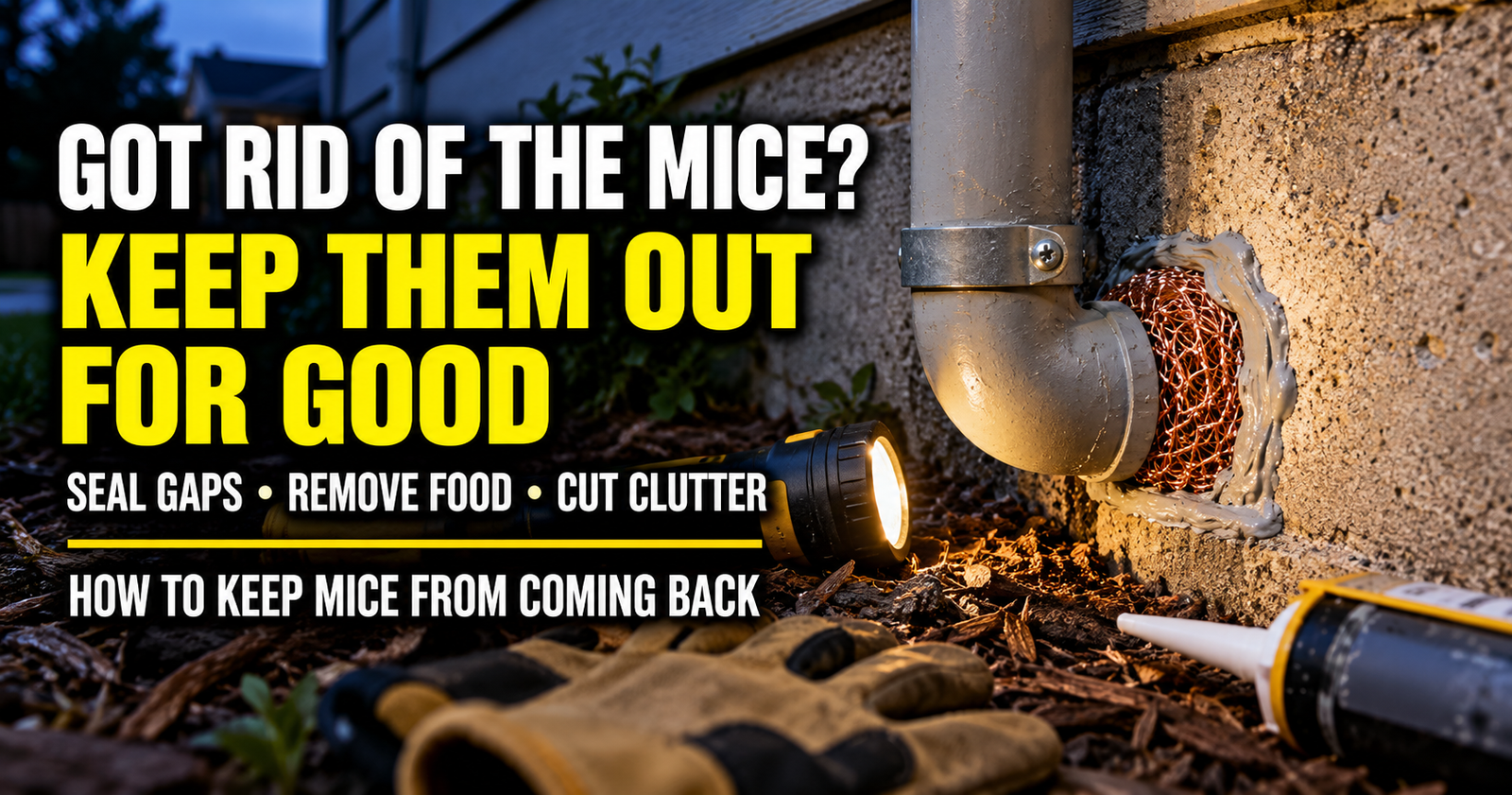
If rodents or other opportunistic wildlife are involved, remove the easy reward.
Put feed, bird seed, grass seed, pet food, and similar attractive materials into sturdy containers with secure lids.
Clean spilled grain and seed.
Don’t leave pet-food bowls in the shed overnight.
Wildlife management works much better when you address both shelter and food.
Otherwise you can remove one animal while leaving a vacancy sign and free buffet for the next one.
When Burrowing Becomes a Structural Concern
I’d pay closer attention if excavation is occurring directly beneath:
- Concrete slabs
- Footings
- Blocks supporting the shed
- Structural posts
- Retaining walls
- Adjacent walkways
Watch for settling and movement.
If the structure has visibly shifted, don’t assume plugging the animal hole fixes the structural issue.
The soil beneath the building may need to be evaluated and repaired after the wildlife problem is resolved.
My Quick Shed-Animal Identification Guide
Here’s how I’d narrow the most common possibilities.
Large hole + lots of excavated dirt + daytime animal: groundhog is high on the list.
Ground-level den + nighttime activity + occasional skunk odor: consider skunk.
Large existing opening + nighttime visitor + little fresh excavation: opossum or raccoon becomes more plausible.
Two- or three-inch burrow + droppings + gnawing + nighttime activity: investigate rats.
Small clean hole + daytime activity: chipmunk deserves consideration.
Large reused burrow + predator tracks or prey remains: consider a larger den user such as a fox where appropriate.
Those are starting points, not verdicts.
Tracks, droppings, camera footage, food evidence, and the condition of the burrow should confirm your theory.
Figure Out Whether It Dug the Hole or Just Moved In
That’s the question I’d keep coming back to.
A shed provides something a porch doesn’t always provide: an entire protected building with a dark space beneath it and potentially food stored inside it.
That makes it attractive to more than one kind of animal.
Look at the hole first.
Then look at the dirt.
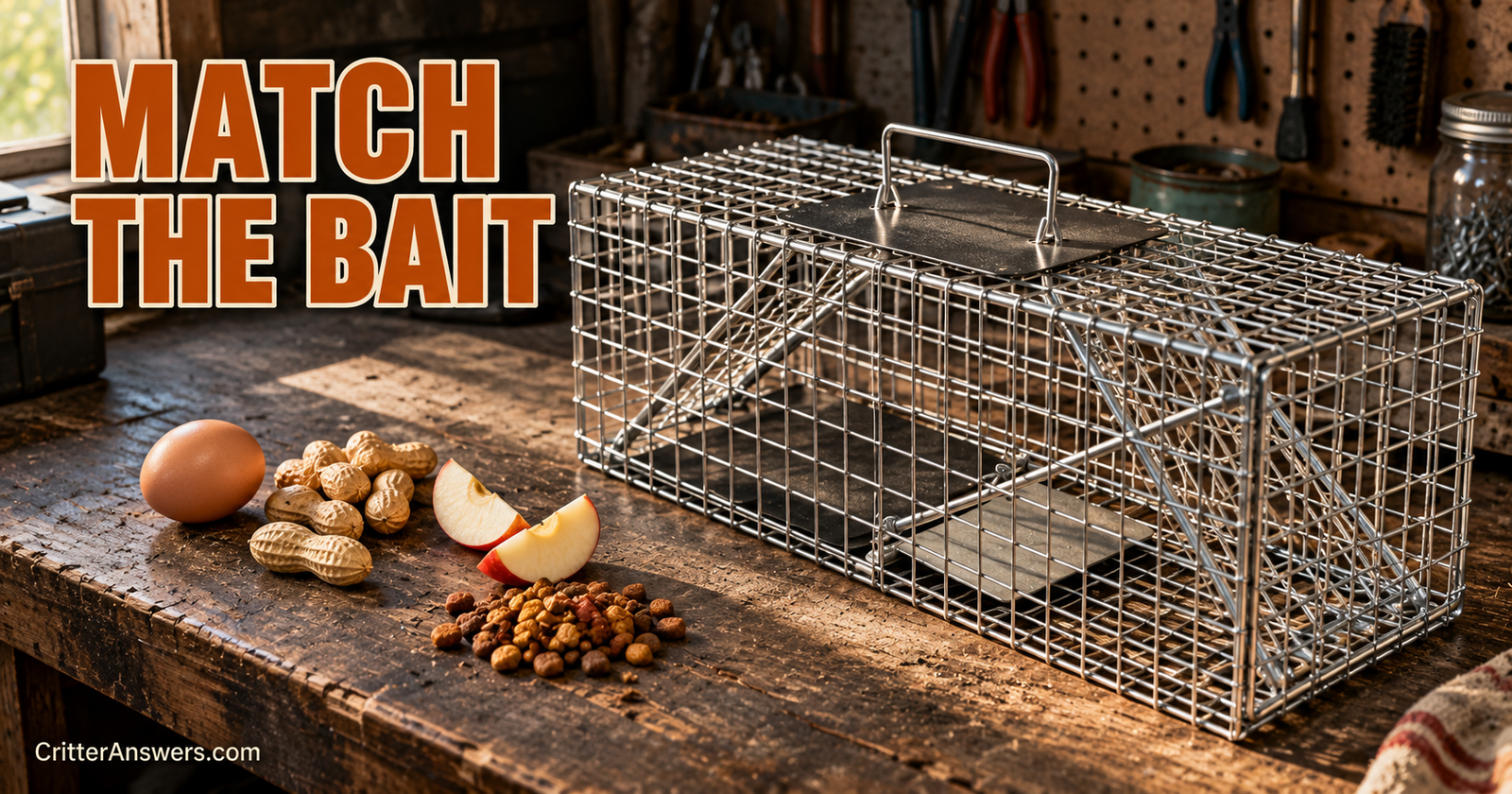
Check the time of activity, tracks, droppings, smells, food sources, gnawing, and evidence inside the shed. Those clues should come before identifying the animal before trapping, because bait choices make more sense once the likely species is known.
If the clues still conflict, let a camera watch the entrance.
Most importantly, don’t fill or permanently close the hole until you’re confident the space is empty and no dependent young remain.
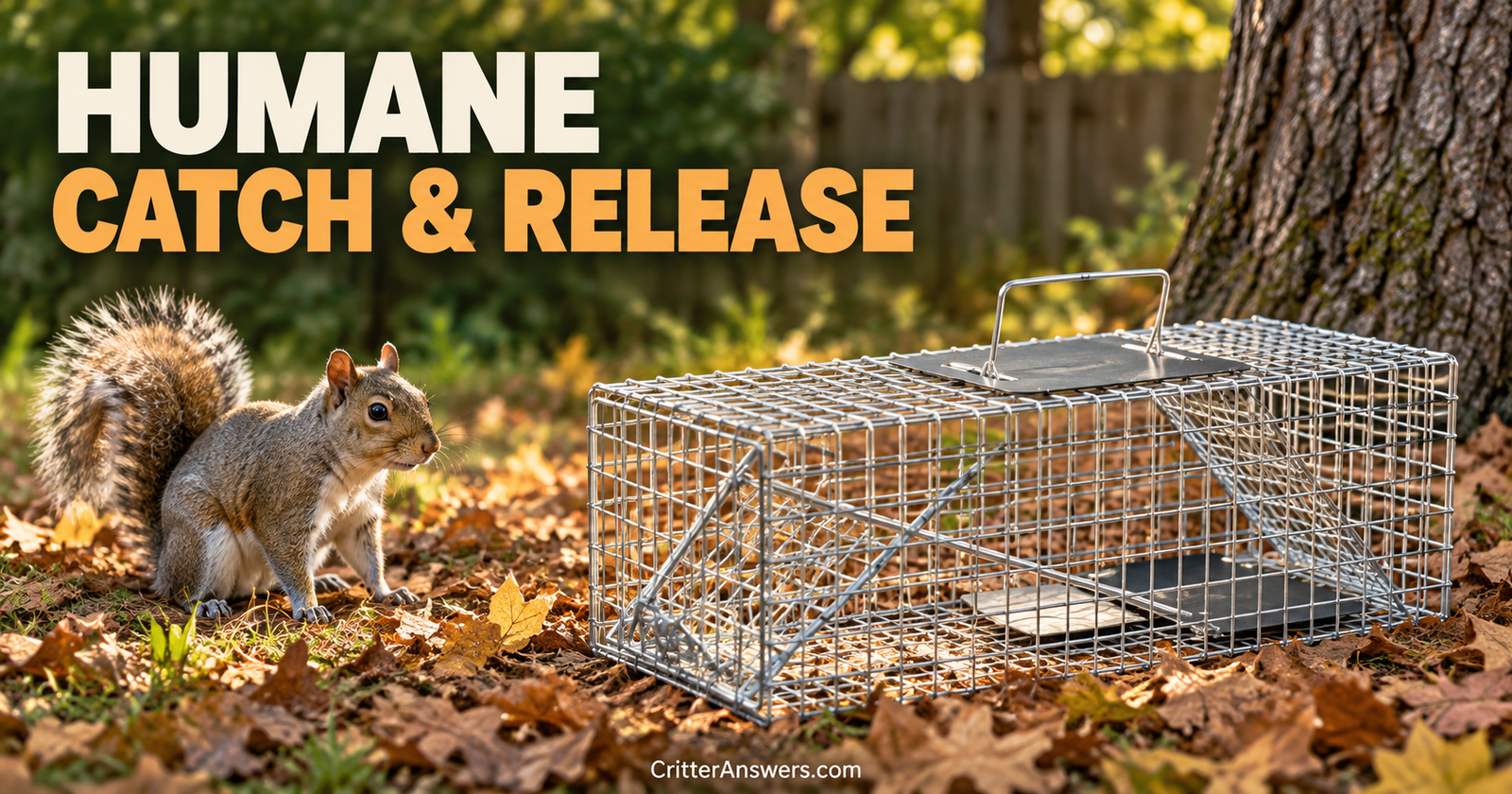
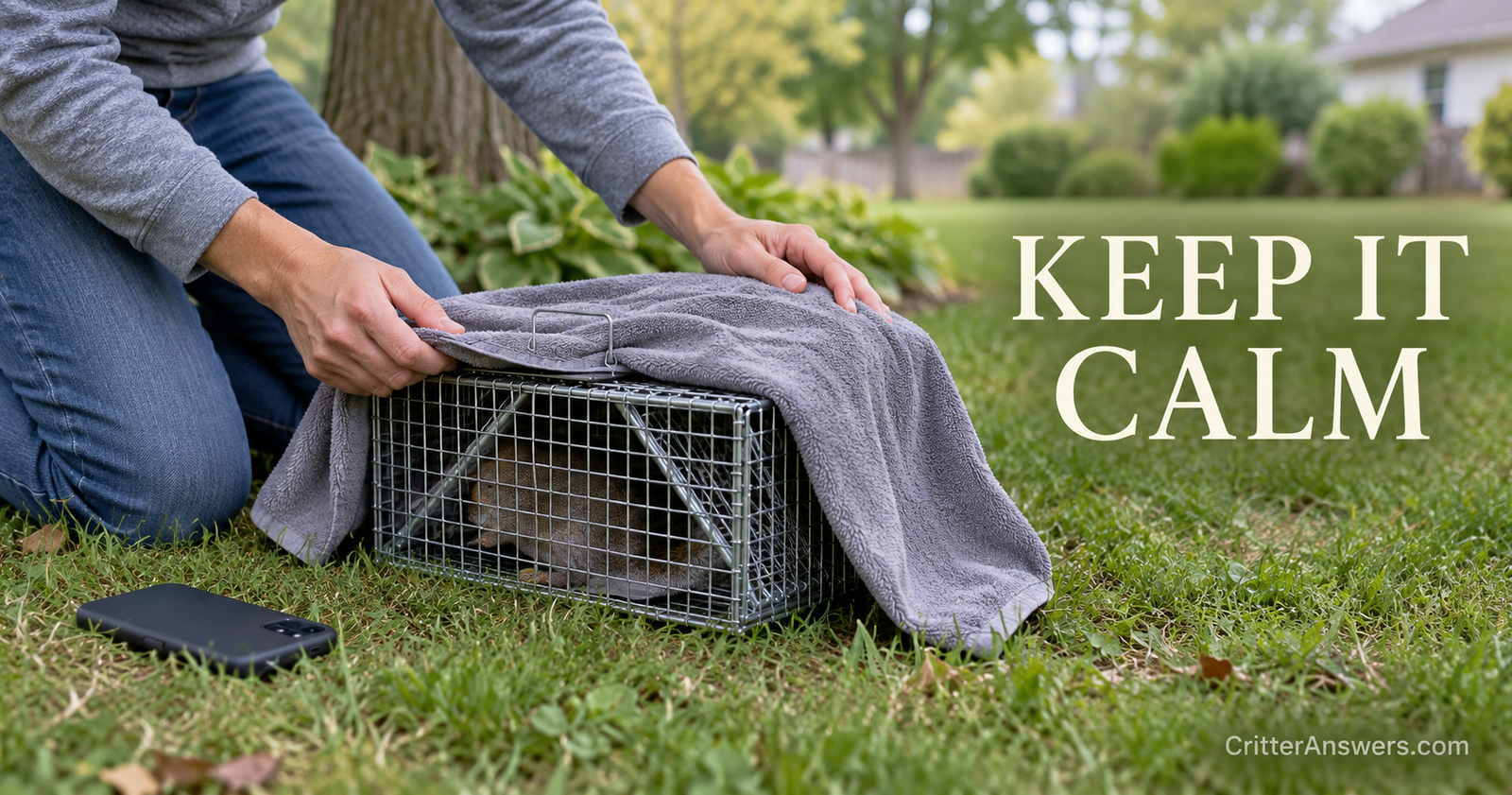
The animal underneath your shed may not even be the animal that originally dug the burrow. Identifying who’s using it now is what matters. Once you have identified the animal and checked local rules, a humane live trap for small animals may be an appropriate option to consider.
About the author: Nolan Mercer researches the signs wildlife leaves around homes, yards, sheds, and other structures and turns them into practical identification guidance. His work for Critter Answers focuses on combining burrows, tracks, droppings, damage, sounds, and animal behavior instead of guessing from a single clue.