
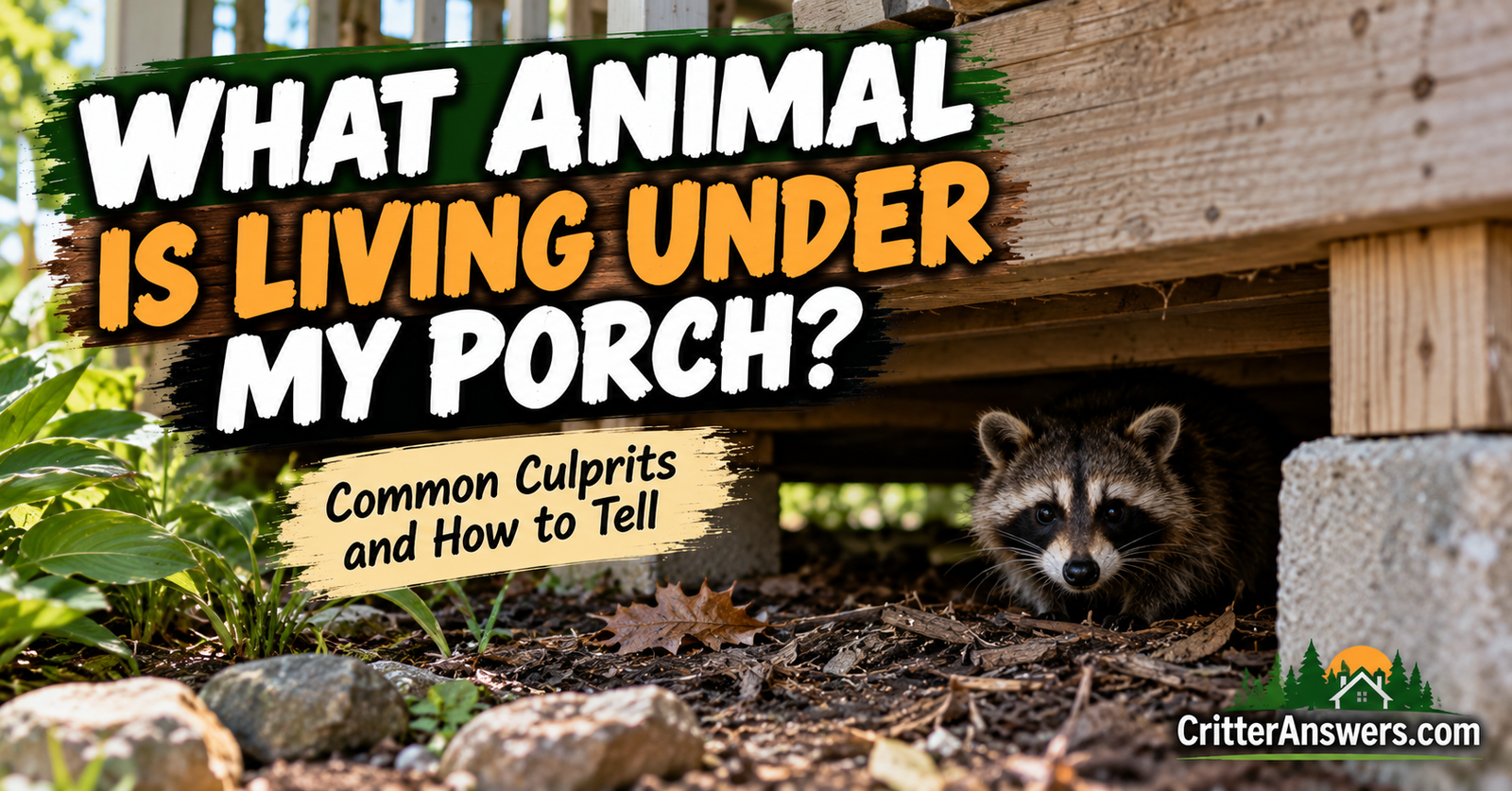
A porch can look like part of your house to you and prime wildlife real estate to an animal.
The space underneath is dark. It’s protected from rain and wind. People don’t crawl under there very often. Depending on the construction, there may even be bare soil that’s easy to dig into.
So if you’ve noticed a hole, scratching beneath the floor, a strange smell, or an animal disappearing under your porch, you may very well have something living there.
Skunks, groundhogs, opossums, raccoons, rats, chipmunks, and other animals can use spaces beneath porches and similar structures.
The trick is figuring out which one you have.
I wouldn’t identify it from one clue. Instead, look at the size and shape of the entrance, whether the animal actually excavated a burrow, when activity occurs, what tracks or droppings you find, and whether there’s a distinctive smell.
Start With the Opening Under the Porch
The entrance is one of the best clues you have.
Don’t stick your hand into it.
Don’t crawl underneath for a better look.
Just inspect it from outside during daylight.
Ask yourself:
- How wide is the opening?
- Does it look dug out?
- Is there fresh dirt?
- Is the soil packed down?
- Are there tracks?
- Is hair caught around the entrance?
- Are plants flattened nearby?
- Are there multiple entrances?
- Does the opening simply lead beneath the porch, or into an obvious underground burrow?
The size of an entrance can immediately eliminate some possibilities.
A mouse and a groundhog aren’t going to need the same doorway.
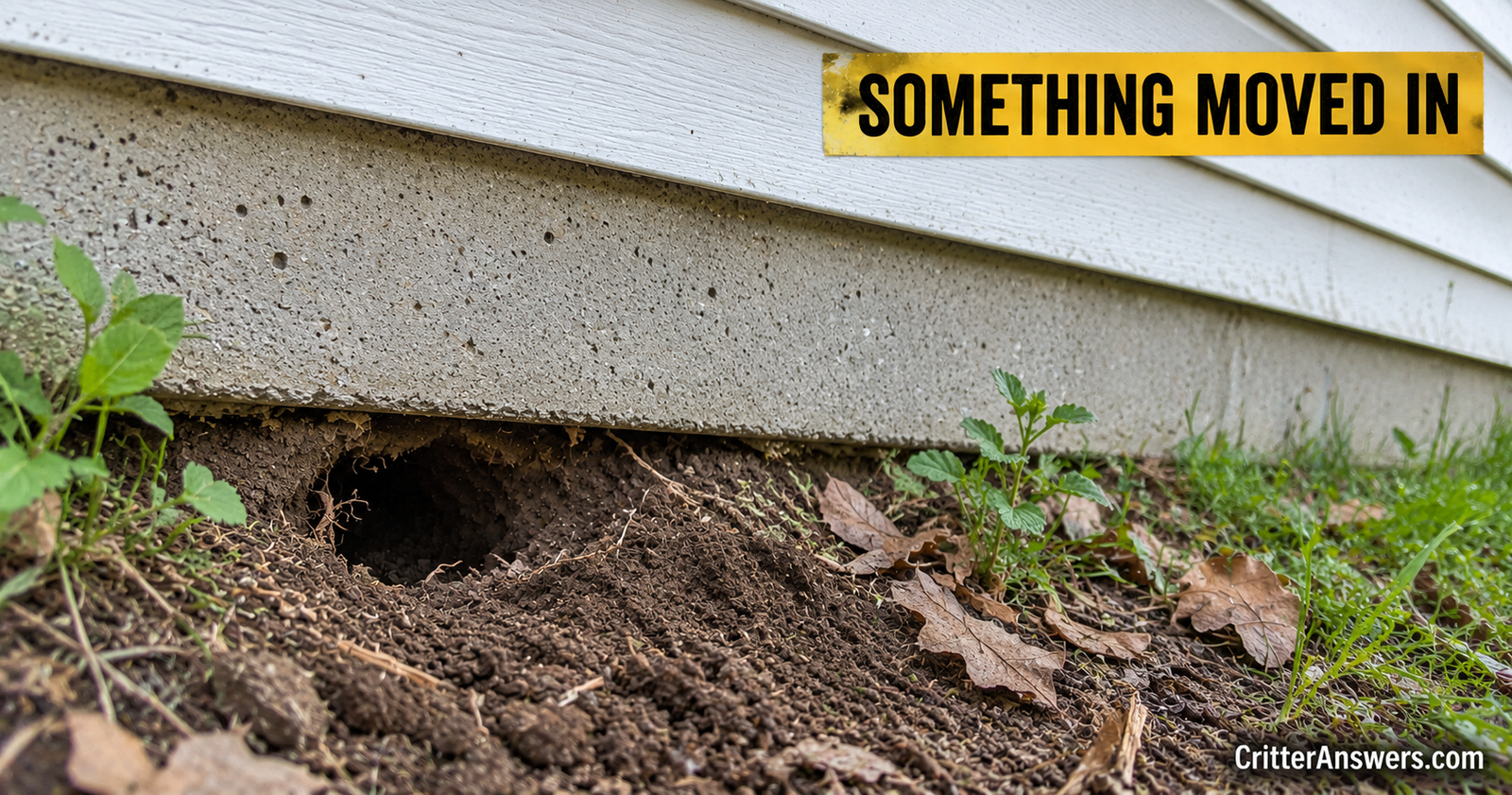
A Large Burrow With Excavated Dirt Makes Me Think Groundhog
Groundhogs, also called woodchucks, are serious diggers.
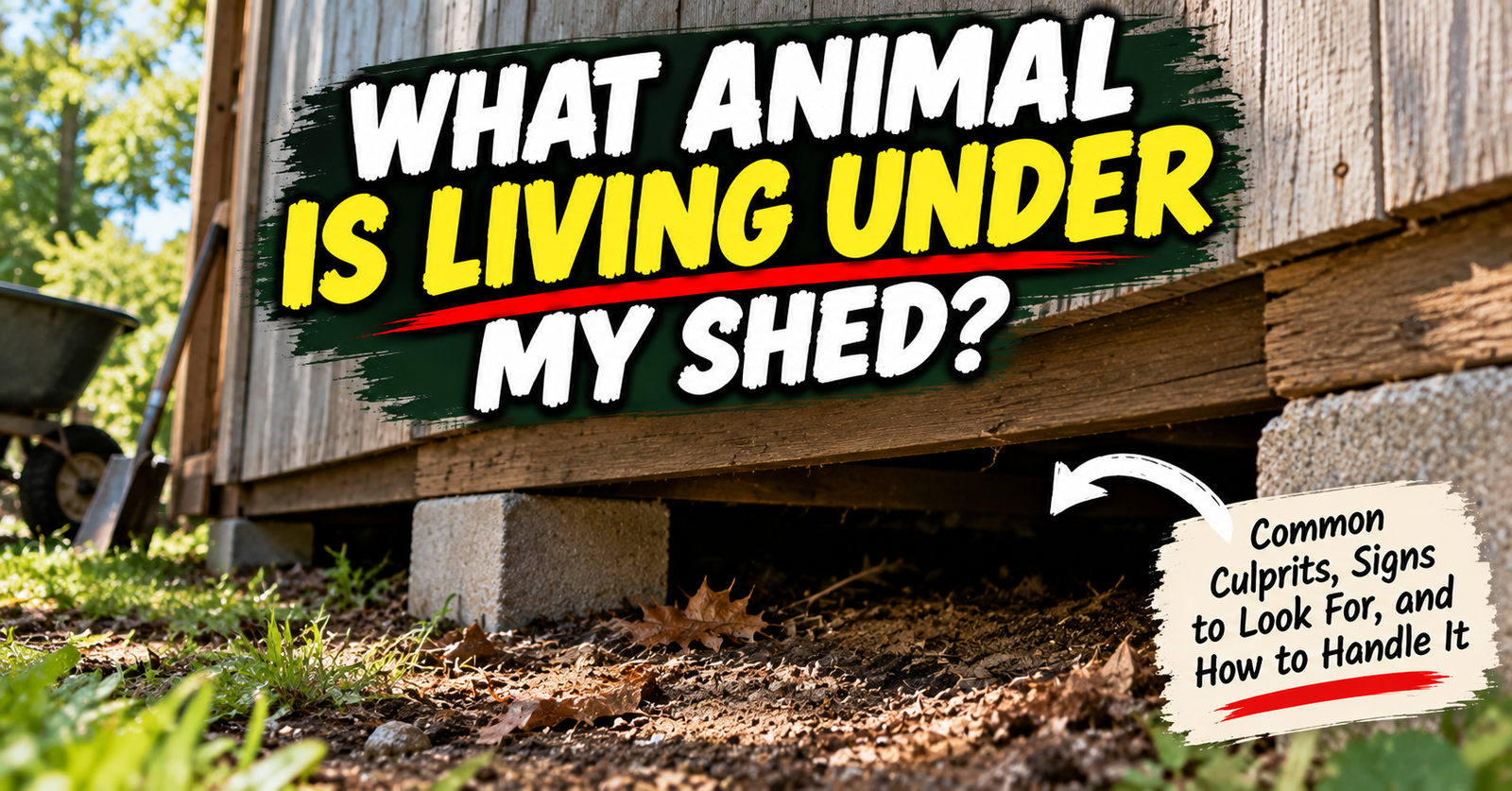
If you have a substantial burrow entrance with excavated soil around it, especially beneath the edge of a porch, deck, shed, or foundation, groundhog moves high on my list. The same clues can help you identify an animal beneath a shed when the opening is beneath a shed rather than a porch.
This isn’t usually a little gap where the animal squeezed underneath.
A groundhog can actually excavate an extensive underground burrow.
Look for:
- A large entrance
- A noticeable mound or fan of excavated soil
- Packed travel paths
- Additional burrow openings nearby
- Damage to garden plants
- An animal active primarily during daylight
Groundhog burrows can occur beneath porches and other structures and may undermine areas around concrete, foundations, and driveways.
So if the hole is large and the dirt looks like somebody has been doing excavation work without a permit, don’t ignore the groundhog possibility.
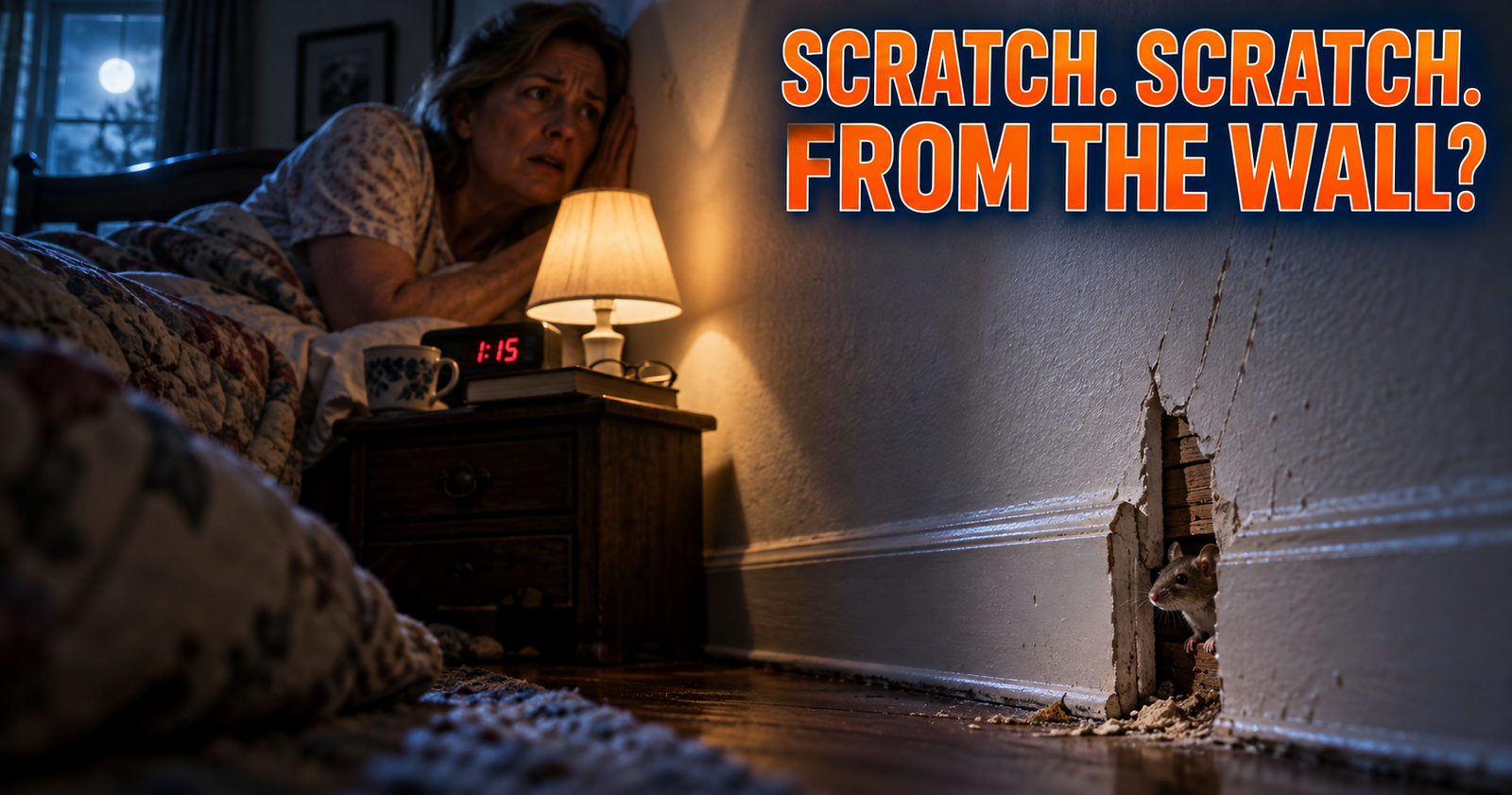
Groundhogs Are Usually a Daytime Clue
Activity time helps considerably here.
Groundhogs are generally active during daylight.
If you keep seeing a chunky brown animal leave the porch in the morning, wander toward the lawn or garden, and dive back underneath when startled, identification probably isn’t going to remain mysterious for long.
You may also notice damage to:
- Vegetable gardens
- Tender plants
- Flowers
- Landscape vegetation
The combination of a substantial burrow and daytime activity is much more useful than either clue alone.
A Strong Skunk Smell Changes the Investigation
If the area beneath your porch periodically smells unmistakably like skunk, skunk moves very high on the suspect list.
Skunks commonly use dens beneath porches and buildings when they can get access.
But don’t assume every skunk smell means one is currently living there.
A skunk may simply have passed through or sprayed nearby.
I want additional evidence.
Look for an opening beneath the porch, tracks, digging, and nighttime activity.
If the odor repeatedly seems to originate from the same protected area, that’s more convincing.

If you’re struggling to determine whether an odor is actually coming from wildlife, I’ve covered those clues in why a house can smell like an animal.
Skunks Are Primarily Active at Night
The clock is useful again.
Skunks generally become active around sunset and forage during the night.
If you never see the animal but hear movement beneath the porch after dark, check for tracks the next morning.
Skunk tracks can sometimes be confused with other wildlife tracks, so I wouldn’t rely on one blurry print.
Look at the whole pattern:
nighttime activity + persistent skunk odor + a den entrance under the porch is a pretty strong combination.
Small Cone-Shaped Holes in the Lawn Can Support the Skunk Theory
Look beyond the porch itself.
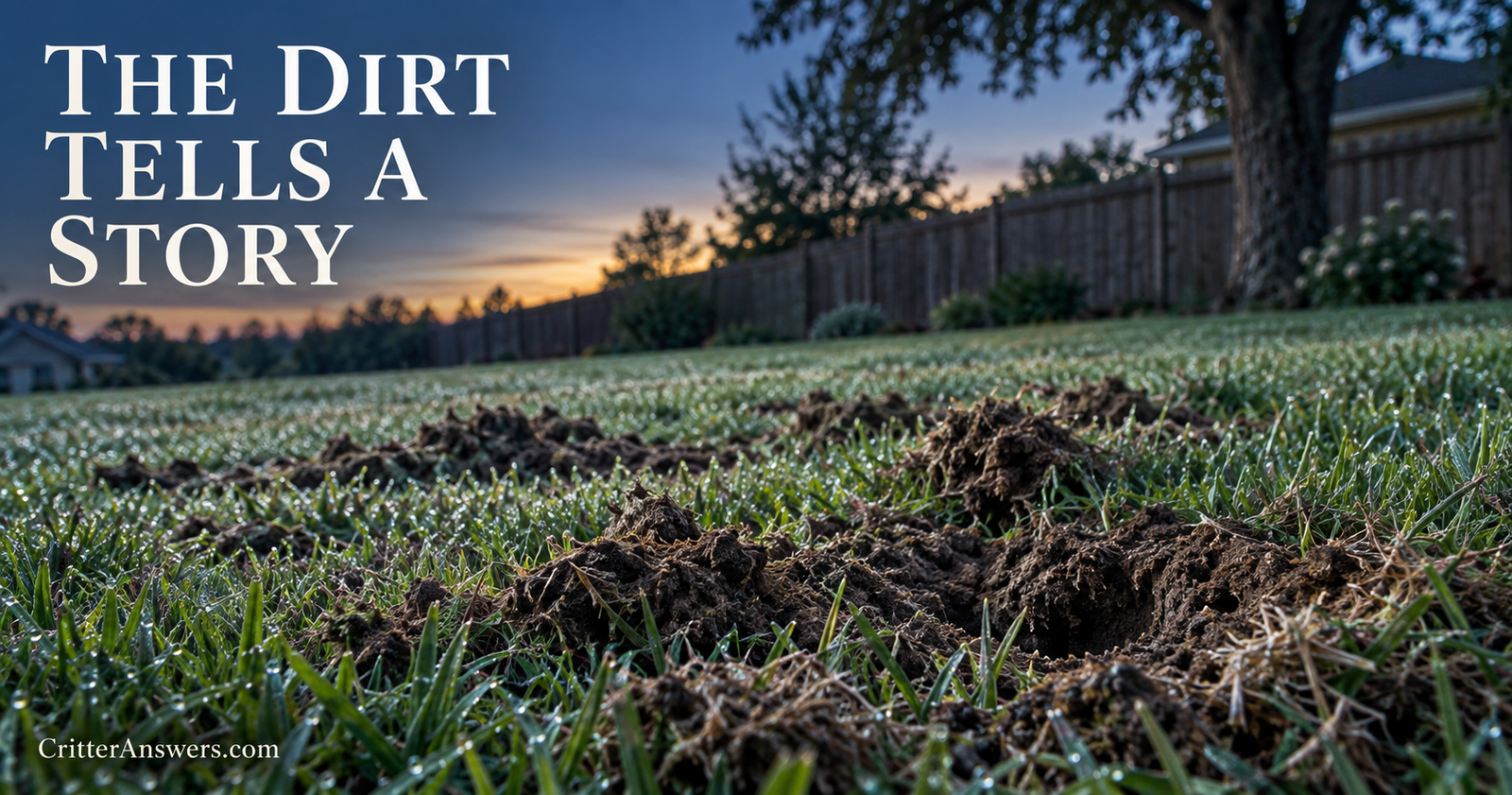
Skunks commonly dig into lawns while searching for insects and other food.
That can leave small, shallow, cone-shaped holes or patches of disturbed turf.
So if something is living under your porch and your lawn suddenly looks like it was attacked with a tiny garden trowel overnight, the two problems may be connected.
Other animals dig lawns too, so lawn damage isn’t proof.
But it belongs in the evidence pile.
Don’t Surprise a Skunk Under the Porch
This is one investigation where enthusiasm can backfire.
Don’t stick your face near the entrance with a flashlight.
Don’t send your dog underneath.
Don’t poke around with a broom handle.
And definitely don’t crawl into a confined space after an animal that may be a skunk.
Skunks generally prefer avoiding confrontation, but spraying is their defense when they feel threatened.
Give the entrance space and observe from a distance.
Your nose will appreciate the restraint.
Opossums Can Use the Space Under a Porch
Opossums are another nighttime possibility.
They may take advantage of existing sheltered spaces around homes, including areas beneath buildings.
Unlike a groundhog, an opossum isn’t the animal I’d expect to excavate an impressive new underground burrow system.
That’s an important distinction.
If you have an existing opening beneath the porch without a huge amount of excavated soil, and a grayish animal appears after dark, opossum becomes more plausible.
Other clues can include:
- Nighttime activity
- Tracks
- Droppings
- Garbage disturbance
- Pet food disappearing
- An accessible opening rather than a major freshly dug burrow
A camera can be particularly useful for separating an opossum from a raccoon when you aren’t actually seeing the animal.

Raccoons Can Shelter Under Structures Too
Raccoons shouldn’t be forgotten.
They’re excellent at taking advantage of human structures.
If there’s enough room beneath a porch or deck and an accessible entrance, a raccoon may use the protected space.
Look for supporting evidence such as:
- Larger tracks
- Nighttime activity
- Garbage being disturbed
- Pet food disappearing
- Larger droppings
- A well-used travel path
- Hair around the entrance
- A camera actually catching the animal
Raccoon tracks are particularly distinctive when they’re clear, with long toes that can give them an almost hand-like appearance.
Again, the camera beats guessing.
Look at How Much Digging Has Actually Happened
This is one of my favorite ways to divide the suspects.
Ask:
Did the animal dig this home, or did it simply move into a space that already existed?
A groundhog is an accomplished burrower.
A skunk can dig and may occupy its own or another animal’s burrow.
An opossum is much more likely to take advantage of an existing protected opening.
Raccoons can exploit accessible spaces beneath structures too.
That doesn’t identify the animal by itself, but it tells you something important about its behavior.
A giant pile of freshly excavated soil deserves more attention than a loose piece of lattice an animal simply walked behind.
Rats Can Live Under Porches Too
Don’t let the larger wildlife get all the attention.
Rats may establish burrows around structures and use protected areas beneath porches, decks, sheds, and foundations.
The entrance will generally be much smaller than a groundhog burrow.
Look for:
- Smaller burrow openings
- Smooth or well-used entrances
- Droppings
- Gnaw marks
- Greasy rub marks
- Nighttime activity
- Nearby food sources
- Multiple holes or travel routes

Garbage, livestock feed, bird seed, pet food, and other accessible foods can make the area around a house much more attractive to rodents. If household garbage is part of the attraction, animal getting into your trash at night can help you compare the mess with likely culprits.
If you’re also hearing gnawing inside the structure, my guide to figuring out what animal is chewing inside your walls can help determine whether the outdoor evidence connects to an indoor rodent problem.
Chipmunks Usually Leave a Much Smaller Entrance
If the hole is considerably smaller, chipmunks deserve consideration.
Chipmunks build underground burrows and can place entrances near:
- Foundations
- Patios
- Steps
- Retaining walls
- Porches
- Landscaping
Their entrances tend to look much less dramatic than groundhog excavations.
You may also actually see chipmunks during the day.
That’s a useful distinction from many of the nighttime animals on our list.
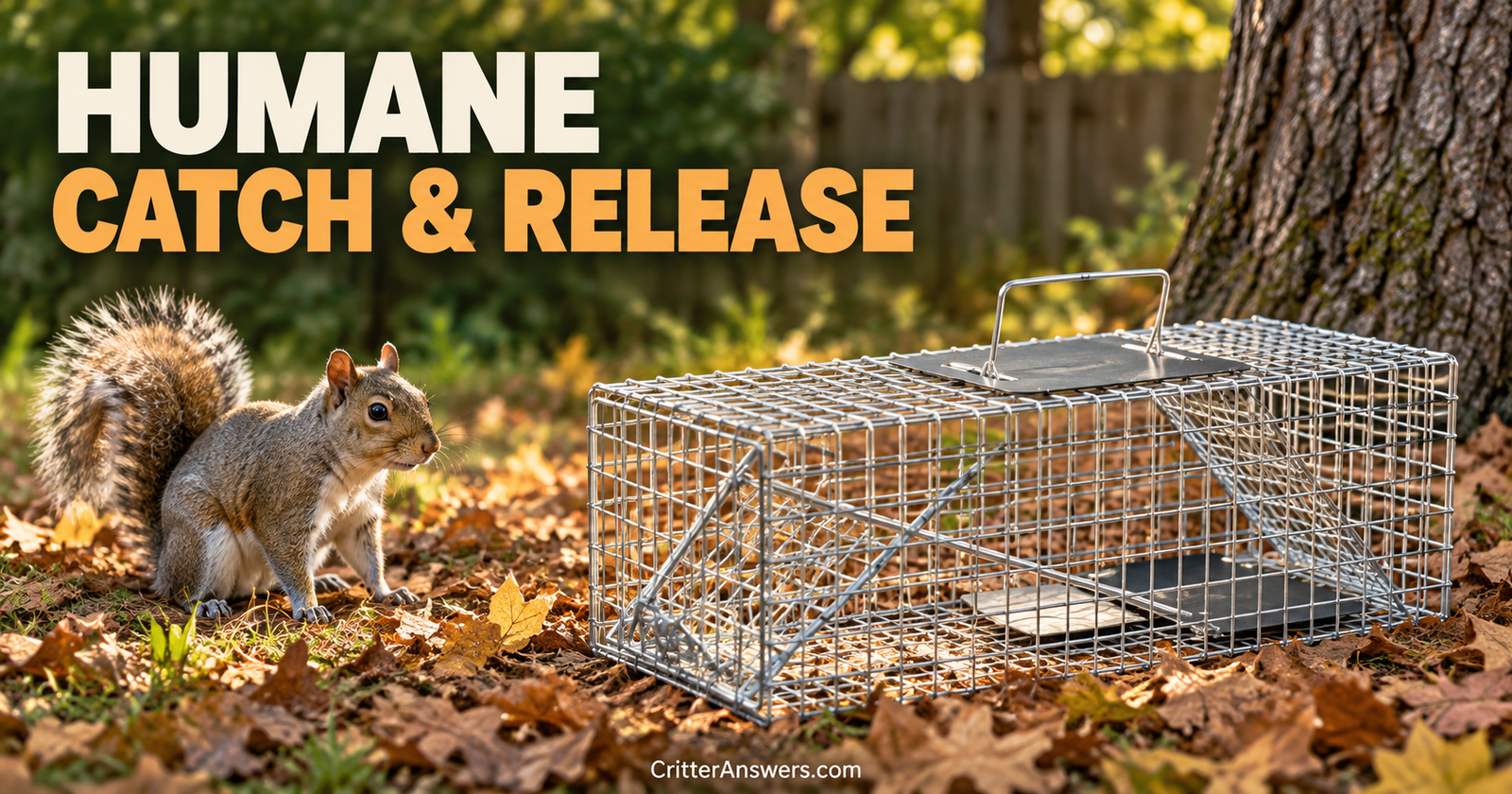
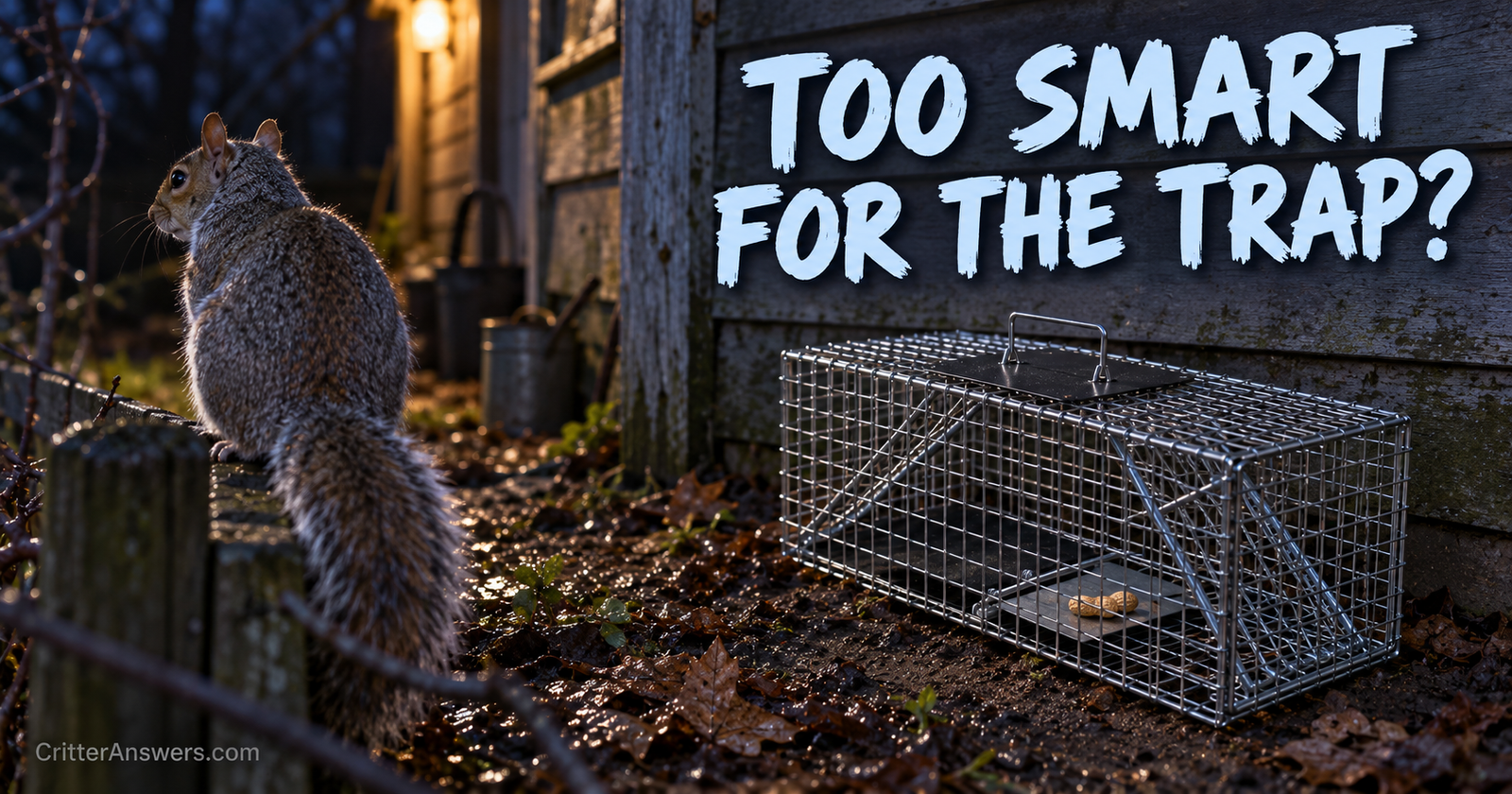
A little hole plus a chipmunk repeatedly disappearing into it is one of those wildlife mysteries that doesn’t require much detective work. If trapping is lawful and necessary, a small-animal cage trap can be evaluated after confirming the animal’s identity.
Could Rabbits Be Under My Porch?
Possibly, particularly if the porch provides easy, sheltered access.
But I wouldn’t automatically interpret every rabbit seen near a porch as an animal actually living underneath it.
Look for repeated use.
Does the rabbit consistently disappear beneath the structure?
Is there a sheltered resting or nesting area?
Are you seeing the animal coming and going from the same place?
Rabbit nesting behavior also changes the situation if young are present.
That brings us to a much bigger issue with any animal under a porch.
There May Be Babies Under There
Before blocking an entrance, consider the time of year and the animal you’re dealing with.
A protected space beneath a porch can be more than a daytime hiding place.
It can be a den containing young.
Skunks are a good example. Female skunks may use dens beneath structures to raise kits.
Other mammals can use protected spaces for young too.
So seeing one adult leave doesn’t prove the space is empty.
This is exactly why I don’t recommend stuffing the hole closed the moment the animal walks away.
Don’t Seal the Opening Until You Know It’s Empty
This rule keeps coming up throughout our critter identification guides because it’s important.
Finding the entrance is not the same as being ready to close it.
You could trap an adult underneath.
You could lock a mother outside while young remain inside.
You could force an animal to dig a new opening.
Or you could end up with an animal dying somewhere beneath the structure.
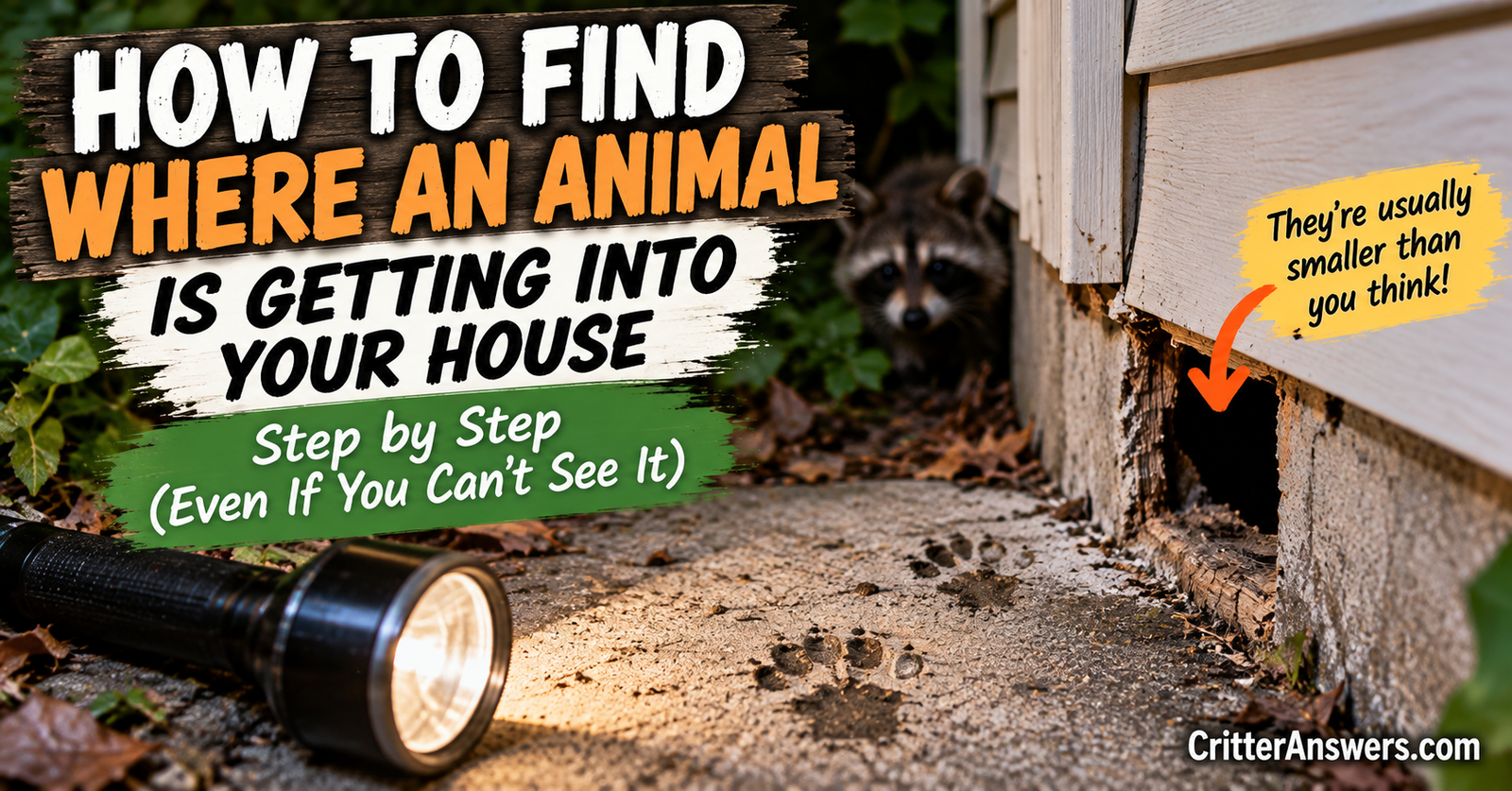
If you haven’t already inspected the rest of the house, my guide to finding where an animal is getting into your homeexplains how I look for active entrances and the physical evidence around them before sealing anything.
Under a porch, the same principle applies.
Know what’s using the opening first.
Look for Tracks Without Getting Too Close
Soft soil around porch entrances can preserve excellent tracks.
If you find them, photograph them before walking through the area.
Put something familiar beside the print for scale if you can do so without disturbing the entrance.
Look at:
- Overall print size
- Number of toes
- Front versus hind prints
- Walking pattern
- Direction of travel
You don’t need to become a professional tracker.
You’re simply trying to determine whether the tracks fit the animal you already suspect.
A Little Sand Can Show Whether an Entrance Is Active
If the existing soil isn’t showing tracks clearly, a thin layer of fine sand near the entrance can sometimes help reveal whether an animal is coming and going.
Don’t block the hole.
You’re looking for footprints, not building a barricade.
Check the area later for disturbance.
This can help answer an important question:
Is something actually using this opening right now?
An old burrow under a porch and an actively occupied den are two very different situations.
Look for Hair Around the Opening
Hair may snag on rough edges as an animal repeatedly squeezes underneath a structure.
Check:
- Torn lattice
- Rough wood
- Wire
- Splintered edges
- Narrow gaps
Don’t reach into the opening.
Photograph anything interesting.
Hair alone usually won’t give you a confident identification, but it can help confirm that the opening is being used by a mammal.
Droppings Can Narrow the Possibilities
Look around the surrounding yard, travel paths, and accessible areas near the porch.
Don’t handle unknown feces.
The size and shape may help separate a rodent from a much larger mammal.
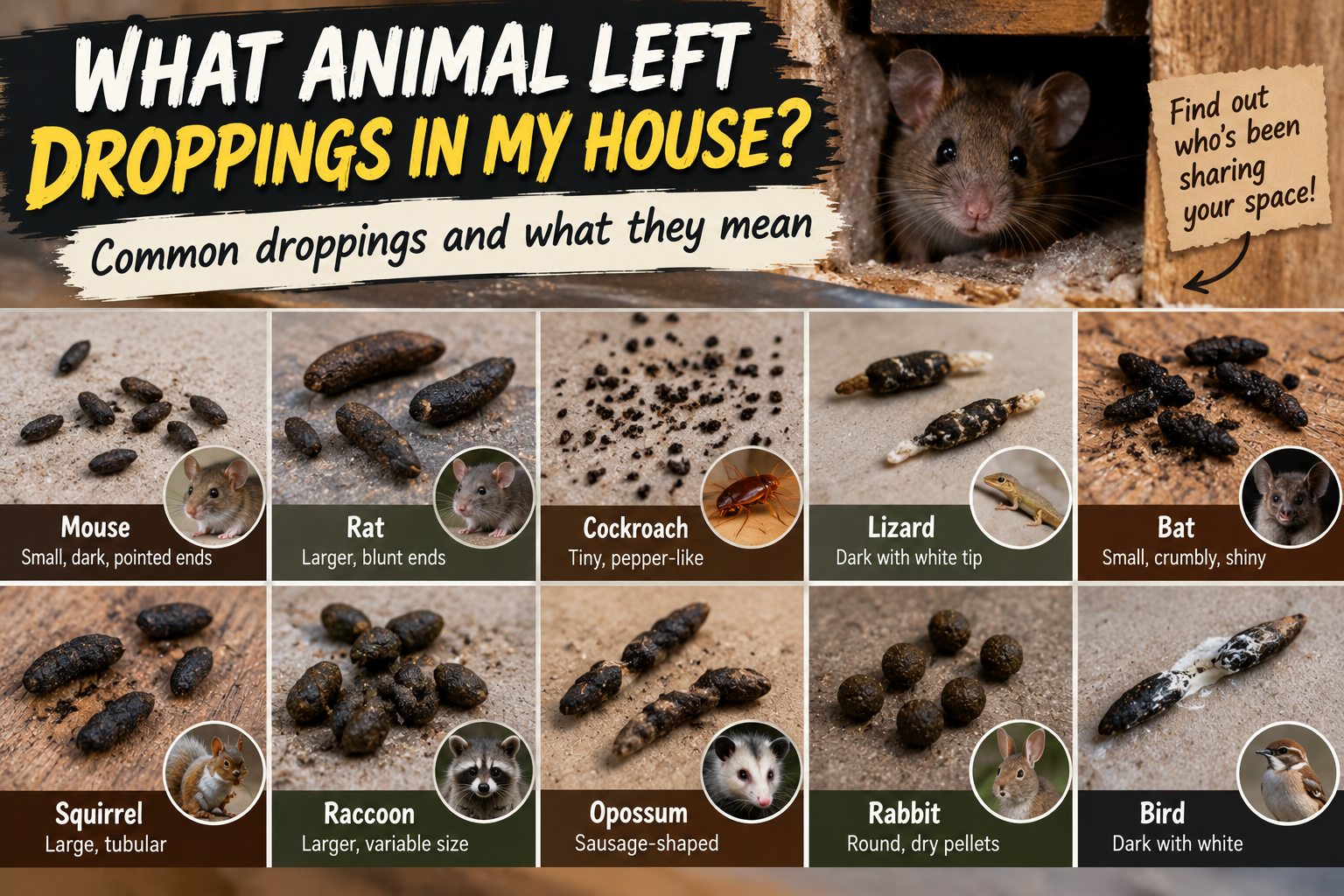
If you find mystery waste, use the approach in my animal droppings identification guide to compare size, shape, quantity, location, and the other clues around it.
One dropping isn’t necessarily enough.
Several clues agreeing with each other are much better.
Check What Food Is Available Nearby
Sometimes the question isn’t just:
“Why did this animal choose my porch?”
It’s:
“Why did this animal choose my entire property?”
Look around for easy food.
That can include:
- Pet food
- Bird seed
- Garbage
- Compost
- Fallen fruit
- Garden produce
- Livestock feed
- Grubs and insects
- Rodents
Shelter plus food is a much better deal than shelter alone.
Reducing easy food sources may be an important part of preventing another animal from moving in after the current occupant is gone.
Use a Camera if You Still Can’t Identify It
This is one of the easiest places to use a motion-activated camera.
You don’t have to mount it in an attic or snake it through a wall.
Aim it toward the suspected porch entrance from a reasonable distance.
Then let the animal identify itself.
A camera may reveal:
- What species is using the opening
- What time it leaves
- What time it returns
- Whether more than one animal is present
- Whether young animals are emerging
- Whether the opening is even active
That last point matters.
Sometimes homeowners spend days trying to identify an animal from an old burrow that isn’t currently occupied.
Watch the Entrance Around the Right Time
If you don’t have a camera, observation still works.
Do it from a safe distance.
For suspected groundhogs or chipmunks, daytime observation may be useful.
For skunks, opossums, and raccoons, evening and nighttime activity is more likely.
Don’t sit directly beside the entrance waiting for the animal to appear.
Watch from inside through a window or from another protected location where you aren’t blocking its route.
The goal is identification, not an awkward face-to-face meeting.
Porch Sounds Can Help Too
Sometimes you hear the resident before you see it.
Pay attention to whether the sounds are:
- Heavy movement
- Scratching
- Digging
- Gnawing
- Vocalizing
- Light scurrying
Also note the time.
A heavy animal moving beneath the porch after dark gives you different possibilities from light daytime scurrying.
But as with attic noises, don’t identify an animal by sound alone.
Structures amplify noise.
A surprisingly small animal can sound much bigger when you’re sitting directly above it.
What About a Snake Under the Porch?
Snakes can certainly use sheltered spaces around homes.
But if you’ve found a substantial excavated burrow, remember that the snake may not have dug it.
Snakes can take advantage of existing burrows and sheltered voids.
The presence of rodents can also make an area more attractive to snakes because rodents are prey for many snake species.
So a snake disappearing under your porch doesn’t necessarily explain who originally made the hole.
It may be another animal using the same space.
Don’t Use Mothballs Under the Porch
This deserves mentioning because it’s one of those old recommendations that refuses to disappear.
Don’t scatter mothballs under a porch as a general wildlife repellent.
Mothballs are pesticides intended for specific labeled uses. Their vapors can be harmful, and wildlife agencies do not recommend them as a solution for animals denning beneath structures.
Solve the actual problem instead:
identify the animal, determine whether the space is occupied, address the animal appropriately, remove attractants, and exclude future access.
Be Careful With DIY Trapping
Once people identify the animal, the next thought is often:
“I’ll just trap it.”
That isn’t always as simple as it sounds.
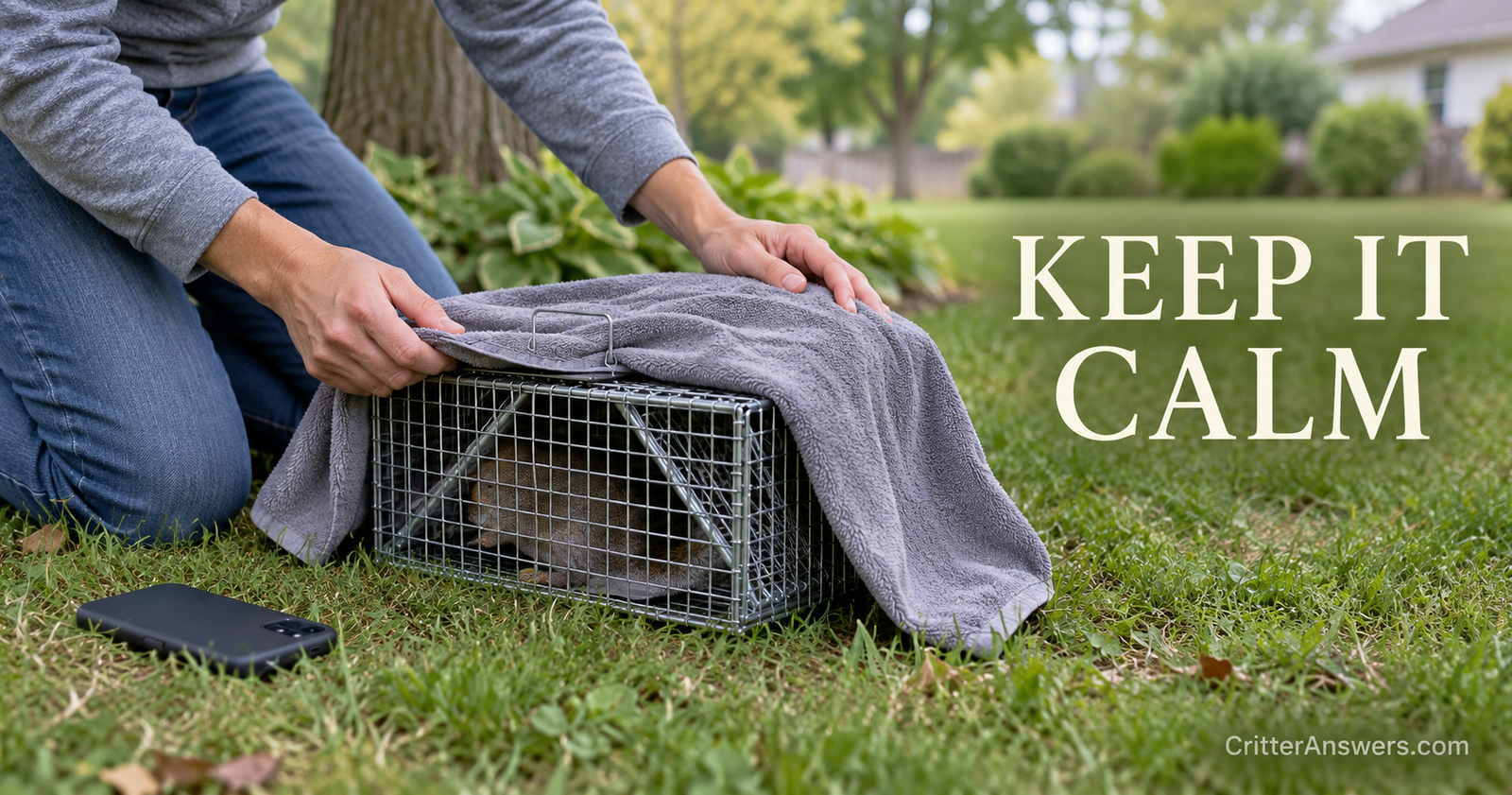
Wildlife regulations vary by species and location. Relocation may be restricted. Handling a trapped skunk presents an obvious problem. Raccoons and other wildlife can defend themselves. A nursing female may also have young beneath the porch.
If trapping becomes necessary, check your state and local wildlife rules first or use a qualified wildlife-control professional.
Identification comes before control for a reason.
How the Entrance Should Eventually Be Closed
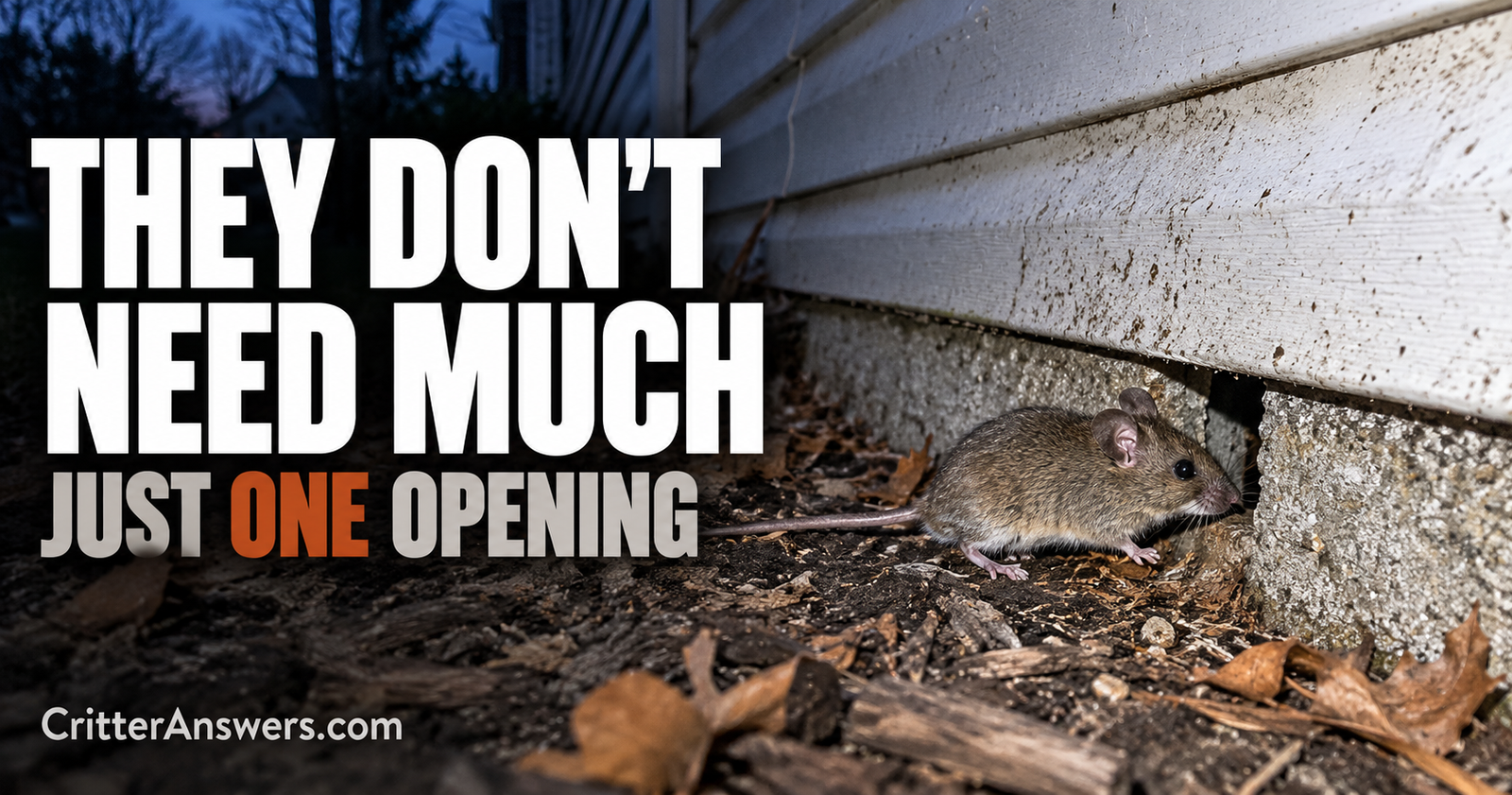
Once you’ve confirmed the animals are gone and it’s appropriate to exclude them, you want something much more durable than decorative lattice alone. Before choosing a repair, locate the entry points that need durable exclusion so the work addresses the entire route into the structure.
For digging animals, a barrier may need to extend underground so they can’t simply dig beneath it.
Hardware cloth or another sturdy metal mesh is commonly used for exclusion beneath structures.
The exact installation depends on the animal and porch construction.
The important idea is that the barrier should prevent both:
going through it and digging underneath it.
Simply covering the visible hole while leaving loose soil two inches away may result in a brand-new hole tomorrow.
Don’t Forget to Look for Damage
Once the animal is gone, inspect what you can safely access.
Groundhogs can create extensive burrows.
Rodents may gnaw materials.
Animals can disturb insulation, vapor barriers, ductwork, or other components beneath structures.
You may also find accumulated droppings or nesting material.
If the porch or foundation appears undermined, settled, cracked, or structurally affected, that’s no longer just a wildlife identification problem.
Get the structure evaluated appropriately.
My Quick Porch-Animal Identification Checklist
If I were trying to figure this out tonight, I’d start with these clues:
Large burrow + lots of excavated soil + daytime activity: groundhog becomes a strong possibility.
Noticeable skunk odor + nighttime activity + den beneath structure: skunk moves high on the list.
Existing opening + nighttime activity + little major excavation: consider opossum or raccoon along with other evidence.
Smaller burrow + rodent droppings + nighttime activity: rats become more interesting.
Small neat entrance + daytime activity: chipmunk deserves consideration.
Then I’d look for tracks, droppings, hair, food sources, sounds, and camera footage before deciding.
No single clue needs to carry the entire identification.
Figure Out Who Lives There Before You Evict Them
The space beneath a porch attracts wildlife for a simple reason.
It’s good shelter.
The harder question is which animal has claimed it.
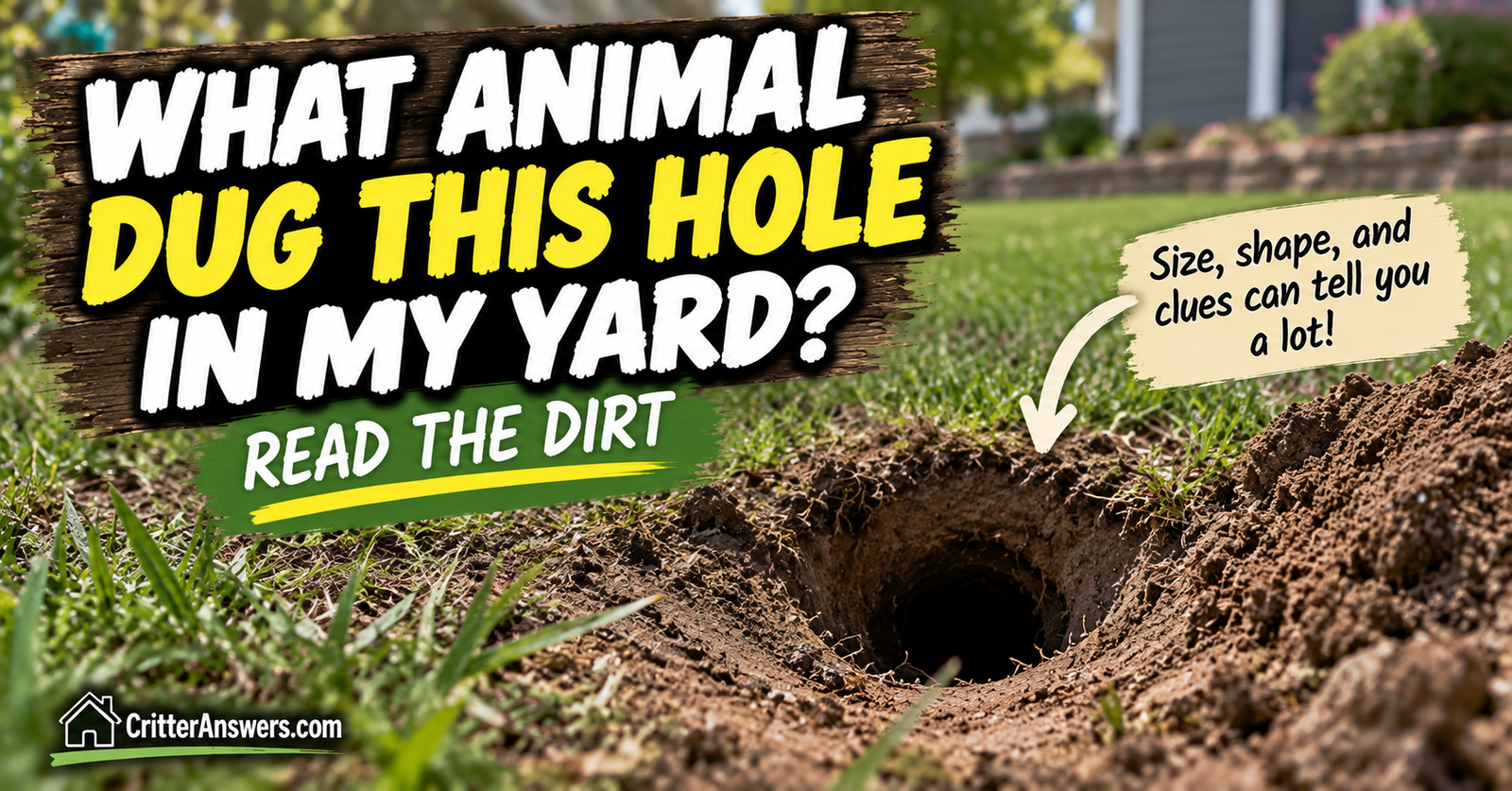
Start with the entrance. Look at the amount of digging. Note whether activity happens during the day or night. Check for tracks, droppings, hair, odor, lawn damage, and nearby food sources.
If the clues still don’t agree, put a camera on the entrance.
Most importantly, don’t permanently close an active den until you know what you’re dealing with and whether young could still be underneath.
A little patience during identification can prevent you from turning an animal under the porch into an animal desperately trying to get out from under the porch.
About the author: Nolan Mercer researches the clues wildlife leaves around homes and turns them into practical identification guidance for homeowners. His work for Critter Answers focuses on using tracks, burrows, sounds, droppings, damage, and animal behavior together instead of guessing from a single sign.