
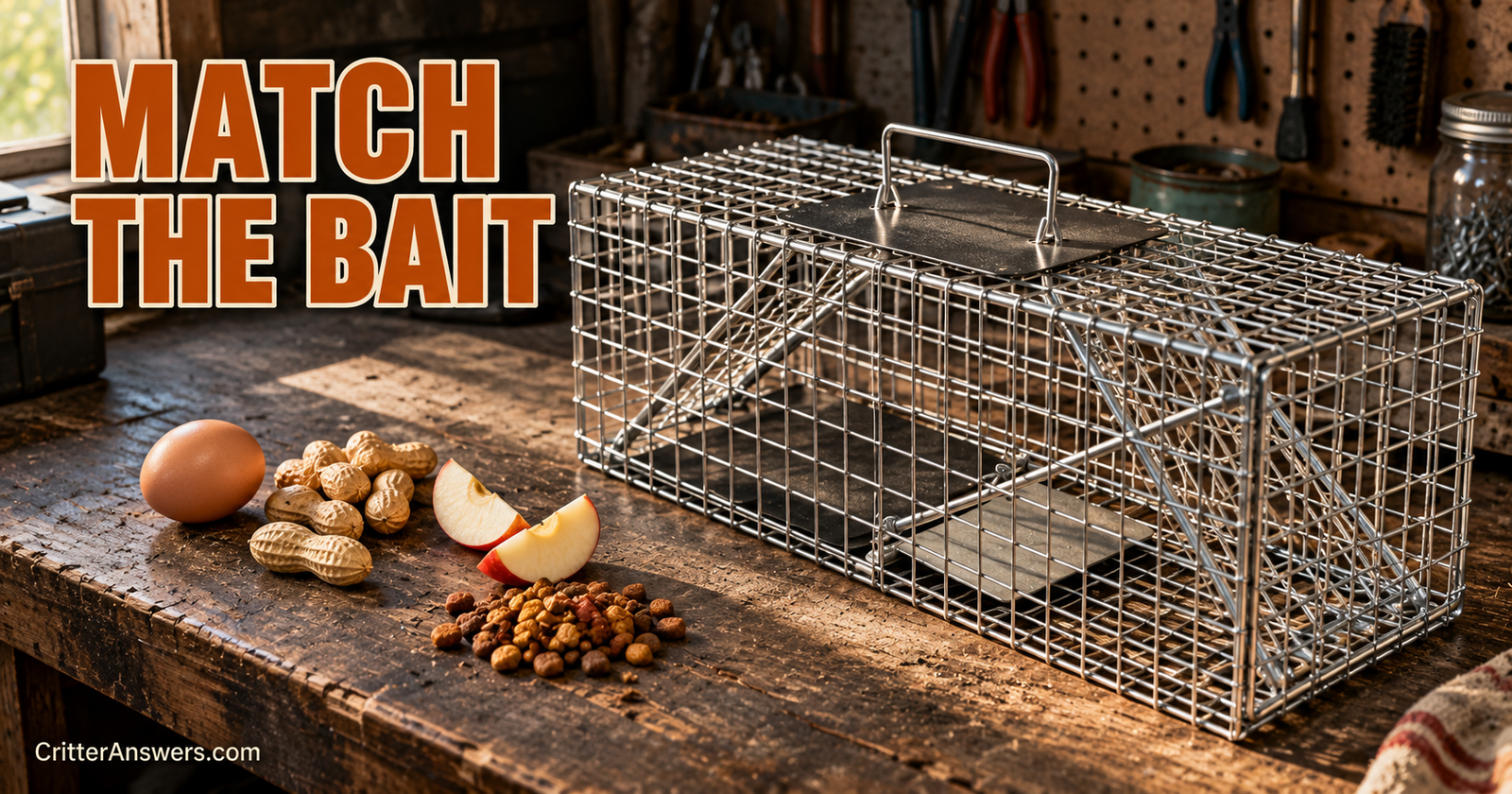
You set a live trap.
You put something tasty inside.
The next morning, the door is still wide open and your mystery critter apparently had better dinner plans.
So what is the best bait for a live animal trap?
There isn’t one.
That’s the first thing I’d get out of the way.
The best live trap bait depends on the animal you’re trying to catch. Peanut butter can be excellent for certain animals. Nuts can be better for others. Fruit makes sense for some species. And sometimes the bait isn’t actually the reason your trap is sitting empty.
Placement, trap size, competing food, bait position, and an animal’s suspicion of a brand-new metal cage can matter just as much. These same problems are explored in why a live trap stays empty, including placement, trap size, and animal suspicion.
Before changing bait for the fifth time, make sure you’re solving the right problem.
My First Rule Is to Bait for the Animal, Not the Trap
A live cage trap doesn’t care what’s inside it.
The animal does.
That’s why I don’t believe in dumping a spoonful of peanut butter into every cage and calling it wildlife trapping.
Start with:
What animal am I actually trying to catch?
If you don’t know, figure that out first.

Tracks, droppings, burrow size, gnawing, activity time, camera footage, and the location of the damage can all help. When the damage is centered on household garbage, identify what animal is in your trash applies those same clues to a particularly common nighttime problem.
Once you know the animal, choosing bait becomes much easier.
Need the Trap Too? Start With the Right Size Cage
This article contains an Amazon affiliate link. Critter Answers may earn a commission from qualifying purchases at no additional cost to you.
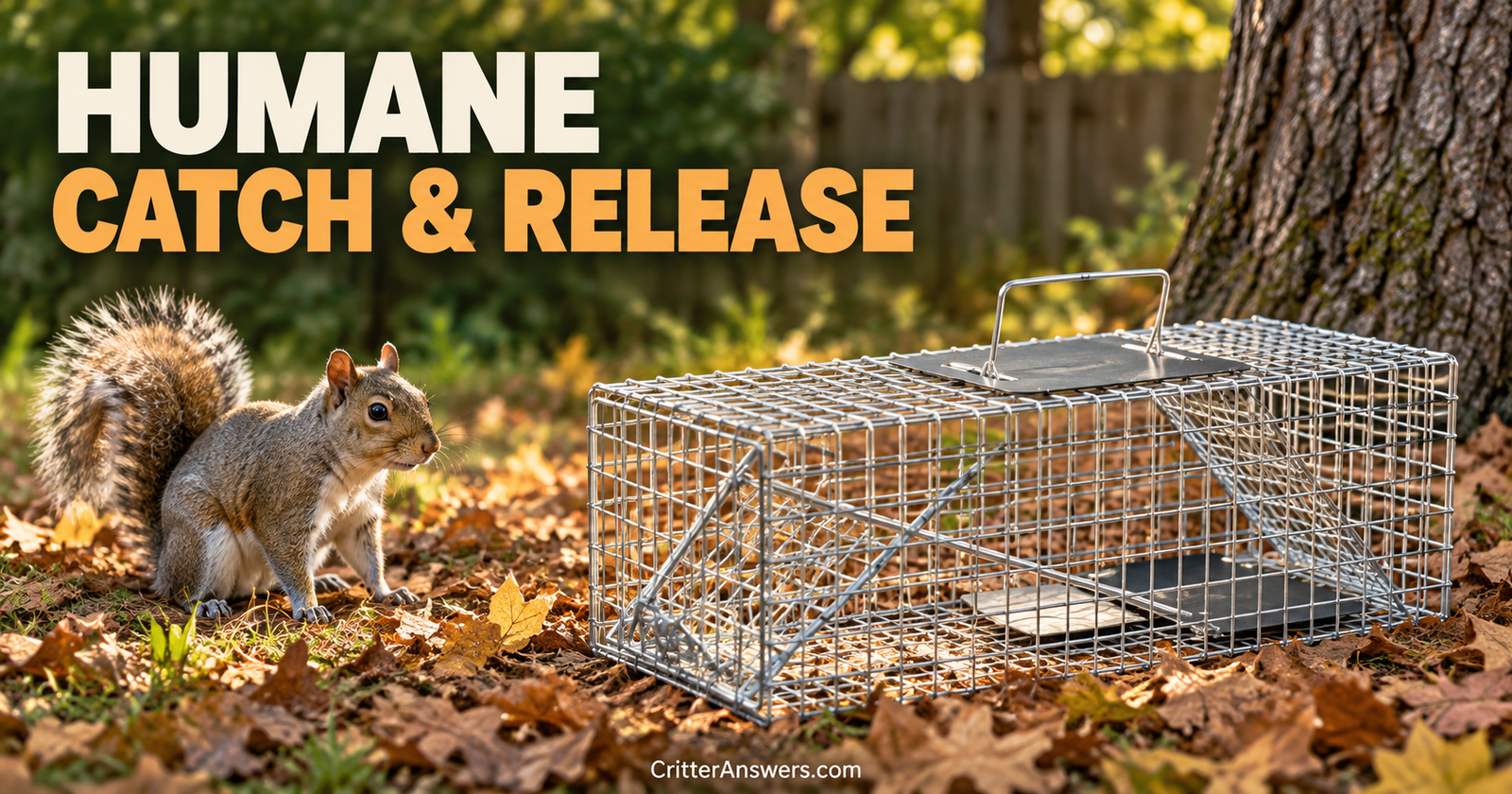
If you’ve identified a squirrel or another similarly sized small nuisance animal and don’t already have a cage, I’ve put together my guide to the heavy-duty humane live trap I’d consider for squirrels and similar small animals.
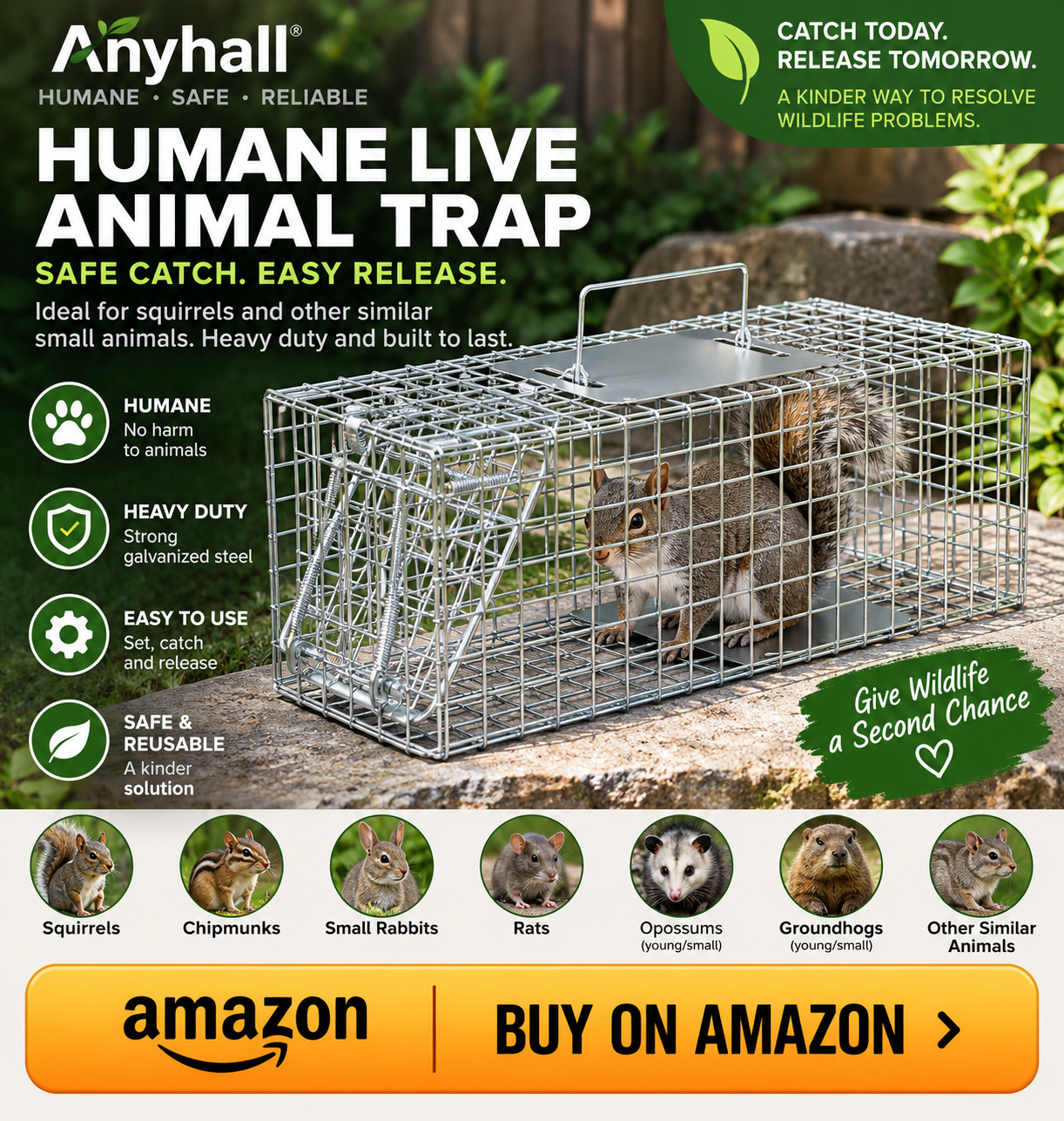
You can also check the current price and specifications for the heavy-duty live cage trap on Amazon.
I wouldn’t buy the cage first and figure out the animal later.
Trap size and bait should both be selected around the target species.
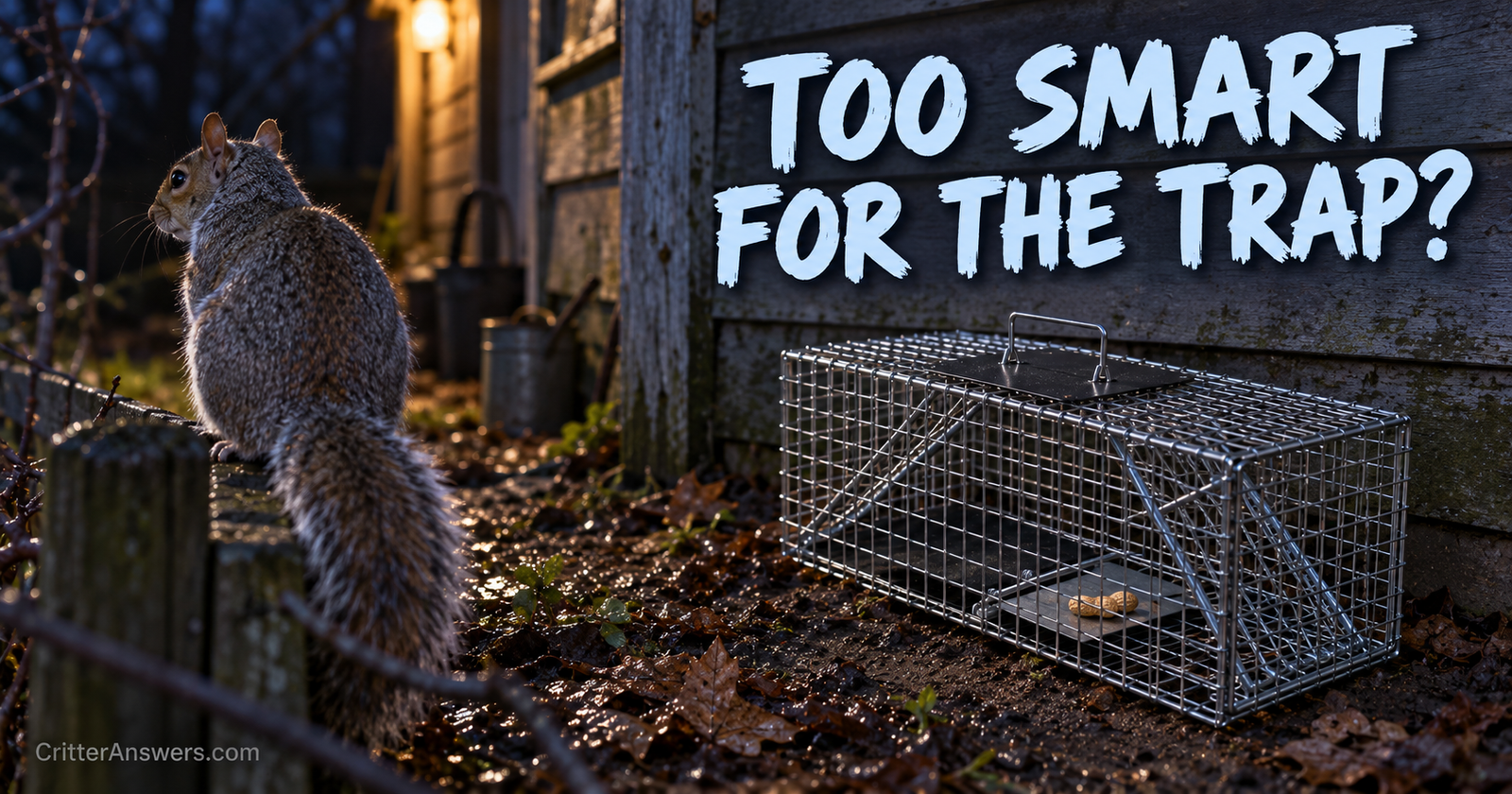
Best Live Trap Bait for Squirrels
Squirrels give you several good options.
For tree squirrels, I would start with foods they’re already strongly interested in.
Good squirrel cage-trap baits include:
- Shelled walnuts
- Pecans
- Peanut butter
- Sunflower seeds
- Corn
- Apple
- Orange
University of Missouri Extension specifically recommends apple and orange slices, shelled walnuts or pecans, peanut butter, sunflower and corn for live squirrel traps.
If I had to start with one approach, I’d lean toward a nut-based bait or peanut butter depending on what the squirrels around the property are already eating.
But there’s a trick here.
The Best Squirrel Bait May Already Be in Your Yard
Look at what the squirrel keeps coming back for.
Is it raiding a bird feeder full of sunflower seed?
Eating pecans?
Stealing corn?
Working around a particular fruit tree?
That animal has already told you something.
You don’t necessarily need to convince a squirrel that an entirely unfamiliar food is delicious when you already know what it’s willing to cross the yard to eat.
Use its existing behavior as evidence.
If squirrels repeatedly clean sunflower seed out from under your feeder, sunflower seed suddenly becomes a very logical bait candidate.
Peanut Butter Has One Big Advantage
Peanut butter isn’t just attractive to several rodents.
It’s sticky.
That’s useful.
Loose food can sometimes be grabbed quickly.
A small amount of peanut butter can be positioned so the animal has to spend more time interacting with it.
You can also use it with another bait rather than treating it as the entire meal.
But don’t smear peanut butter everywhere inside the cage.
The goal is to get the animal past the trigger, not give it snacks all the way from the entrance to the back wall.
Best Live Trap Bait for Chipmunks
Chipmunks are another good fit for food-based baiting.
University of Missouri Extension recommends several effective chipmunk baits:
- Nut meats
- Sunflower seeds
- Raisins
- Grain or breakfast cereal grains
Peanut butter mixed with oats can also be effective.
This is another situation where bird feeders can give you a clue.
If the chipmunks on your property spend half the day collecting spilled sunflower seeds beneath a feeder, I’d pay attention to that preference.
Chipmunks Can Be Suspicious of the Cage
Sometimes changing bait isn’t the answer.
The chipmunk wants the food.
It just doesn’t want to enter your strange new wire tunnel to get it.
That’s where pre-baiting can help.
Instead of immediately setting the trap, the door can be secured open while bait is provided for a short period so the animal becomes accustomed to entering the cage.
Missouri Extension specifically recommends this approach for nuisance chipmunks, suggesting the doors be wired open for a couple of days until the animals become conditioned to feeding inside.
Then the trap is actually set.
That’s a completely different solution from endlessly rotating through bait.
Best Live Trap Bait for Rats
Rats are where I’d slow down a little.
Food baits commonly used for rat traps include:
- Nutmeat
- Peanut butter
- Oatmeal
- Peanut butter mixed with oatmeal
- Small pieces of meat such as bacon or hot dog
Missouri Extension lists those among effective rat trap baits.
But rats can be cautious around new objects and unfamiliar food.
If the rat ignores the cage, the problem may not be that your peanut butter isn’t delicious enough.
The rat may simply not trust the trap.
Rats Are a Good Example of Why Pre-Baiting Works
Rats can be extremely cautious feeders.
If something new suddenly appears along their established route, they may avoid it.
Missouri Extension recommends leaving traps unset until bait has been taken when dealing with trap-shy rats.
Think about what that tells us.
If an animal eats your bait from an unset trap but won’t approach a newly set one, you have learned far more than you would by swapping peanut butter for apple.
The food wasn’t necessarily the problem.
Trust was.
A Note About Live-Trapping Rats
Just because a rat physically fits inside a live cage doesn’t mean live capture is automatically the best management method.
Rules and recommendations differ depending on location.
For example, University of California IPM specifically does not recommend live-trapping rats for nonprofessionals and notes legal restrictions on what can be done with captured rats in California.
That’s why this article isn’t a blanket instruction to live-trap every animal listed.
We’re talking about bait selection when live cage trapping is appropriate and legal for the particular animal and location.
Check your local rules before setting the trap.
What About Weasels and Other Small Animals?
This is where I would stop trying to make a universal bait chart.
Different species have dramatically different diets.
A bait that makes perfect sense for a seed-eating chipmunk may make considerably less sense for a carnivorous animal.
And depending on the species, trapping may be regulated.
If you’ve identified something other than the common squirrel/chipmunk/rodent problems discussed here, check species-specific wildlife guidance before choosing the trap or bait.
Don’t assume “small animal” means “same food.”
It doesn’t.
The Bait Should Be Behind the Trigger
Here’s where a lot of perfectly good bait goes to waste.
You don’t just need the animal to smell the bait.
You need it to enter far enough to trigger the cage.
On a typical single-door cage trap, I want the animal committed to entering before it gets the reward.
That generally means positioning the bait toward the closed end, beyond the trigger mechanism, according to the trap manufacturer’s directions.
The exact setup varies with trap design.
But the principle doesn’t:
Don’t reward the animal for stopping at the doorway.
Don’t Leave a Buffet Outside the Trap
I’ve seen the logic behind this one:
“I’ll sprinkle food all around the trap so the animal follows it inside.”
A tiny amount of attraction near the entrance can sometimes make sense.
A full meal outside doesn’t.
If the squirrel can fill up on sunflower seed scattered around the cage, why should it enter?
If the rat finds five chunks of food before reaching the door, you’ve reduced its motivation.
If you’re using an outside bait trail, keep it minimal.
The best reward should be where you actually need the animal to go.
Bait Theft Is a Different Problem
Here’s another situation that gets blamed on “bad bait.”
You come back and find:
Bait gone. Trap empty. Door open.
Well, something liked the bait.
That’s actually good information.
Now you need to figure out how it got the food without triggering the cage.
Small animals can sometimes reach through wire mesh and pull food toward themselves.
Bait placed too close to the cage wall makes that easier.
Move the bait so the animal must physically enter to reach it.
Don’t just add more.
Otherwise you’re running a tiny free restaurant with terrible security.
Secure the Bait When Necessary
Some bait is easy to carry away.
That’s not always what you want.
If the trap design allows it and doing so doesn’t interfere with the trigger, positioning or securing bait so it can’t simply be snatched can encourage the animal to spend more time in the correct area.
Peanut butter naturally helps with this because it sticks.
Loose nuts, fruit pieces, and seeds can move around.
Whatever you do, don’t modify the trap in a way that prevents the trigger or door from operating normally.
Test the trap after baiting.
Fresh Bait Beats a Moldy Science Experiment
This sounds obvious until you check a forgotten trap.
Food sitting outside changes.
It gets:
- Wet
- Moldy
- Stale
- Covered in insects
- Dirty
- Dried out
- Eaten by ants
Animals can reject spoiled or stale foods, and Missouri Extension specifically recommends keeping rodent bait fresh and replacing material that becomes moldy, musty, soiled, or insect-infested.
If the trap hasn’t worked, inspect the bait.
Don’t keep assuming yesterday’s rain-soaked peanut butter is irresistible.
Weather Changes Which Baits Hold Up Well
A juicy piece of fruit on a mild day and the same fruit baking in extreme summer heat aren’t quite the same thing.
Likewise, rain can ruin some bait presentations quickly.
Consider:
- Temperature
- Rain
- Humidity
- Ants and insects
- How long the trap will remain set
But remember that weather affects more than bait.
It affects the captured animal too.
A live cage must be monitored responsibly so an animal isn’t left exposed to dangerous heat, cold, precipitation, or other conditions.
Your Trap May Be in the Wrong Place
This is probably the biggest reason I wouldn’t obsess over bait.
You could put the greatest squirrel bait ever invented into a cage sitting where the squirrel never travels.
Nothing happens.
Then you blame the walnuts.
Put the trap where you have actual evidence of animal activity.
That could mean:
- Along a travel route
- Near a feeding area
- Near a known burrow
- Beside a structure
- Along a wall
- Near an entry area
- Where a camera repeatedly captures the animal
Missouri Extension recommends placing chipmunk traps where the animals travel or feed, and squirrel traps directly in established travel lanes.
Location can beat bait.
Follow the Evidence Around the Shed
Suppose you have something living beneath a shed.
Don’t automatically put the trap on the opposite side of the yard because that’s where you have a convenient flat spot.
Look for the active entrance.
Look for tracks.
Find the worn path.
Watch where the animal goes after leaving.
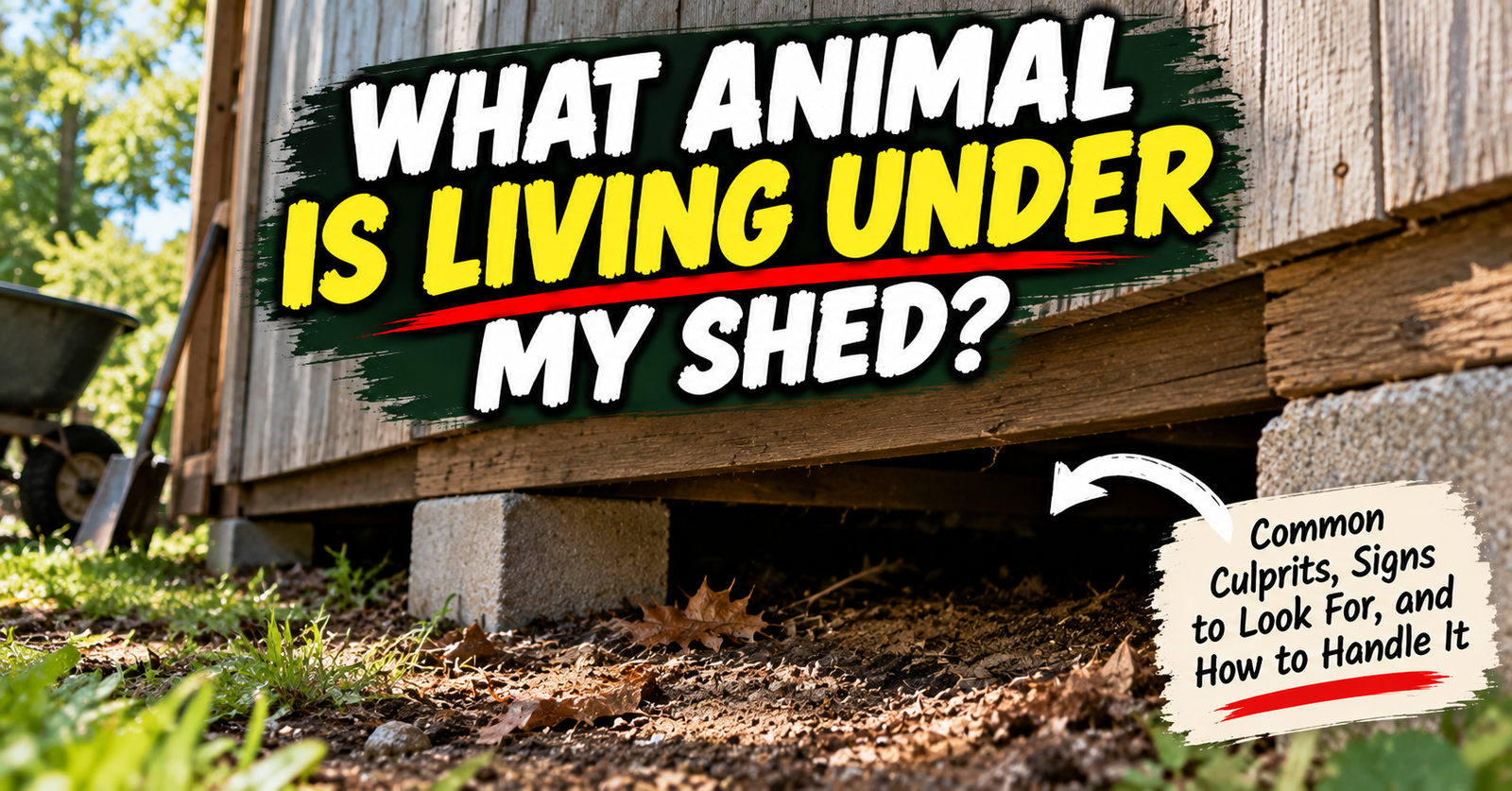
My guide to identifying what animal is living under a shed can help you narrow the species before you decide whether trapping is appropriate.
Once you know the animal and its route, trap placement becomes much less random.
Competing Food Can Beat Your Bait
This is a huge one.
Imagine putting six sunflower seeds into a cage.
Twenty feet away is a bird feeder dumping hundreds of sunflower seeds onto the ground.
Which dining experience do you think the squirrel or chipmunk prefers?
Or maybe you’re baiting for a small animal beside a shed where an open bag of livestock feed sits on the floor.
Your trap isn’t competing against hunger.
It’s competing against a buffet.
Look around for:
- Bird feeders
- Pet food
- Livestock feed
- Chicken feed
- Fallen fruit
- Nuts
- Garden produce
- Garbage
- Compost
- Spilled grain
Reduce competing food sources where practical.
Sometimes that’s more effective than finding a “better” bait.
Use What the Animal Is Already Stealing
This may be my favorite bait trick because it doesn’t require guessing.
What is the animal already eating?
If something repeatedly raids a bag of sunflower seed, you have your clue.
If a squirrel keeps taking walnuts, there’s your clue.
If fruit is disappearing, pay attention.
The animal’s current food preference is real-world evidence from your own property.
I’d rather start there than blindly follow a list online.
Smell Can Help, but More Isn’t Always Better
Strong-smelling food can help an animal locate bait.
That doesn’t mean you need half a jar of peanut butter.
A small amount can be enough.
Too much bait can interfere with the trap, create unnecessary mess, attract insects, and potentially allow the animal to feed without positioning itself properly.
We’re trying to guide behavior.
Not cater a banquet.
Should You Wear Gloves When Baiting a Live Trap?
I wouldn’t obsess over eliminating every molecule of human scent from a trap that’s already sitting beside your house.
But gloves are still useful.
They keep your hands cleaner, reduce direct contact with old bait or contaminated surfaces, and are particularly sensible when handling a trap that has already contained wildlife.
Wild animals can leave urine, feces, saliva, hair, and other material behind.
Treat a used trap accordingly.
Clean a Used Cage Before Rebaiting It
If the trap has already captured an animal, inspect and clean it appropriately before reuse.
Remove old food.
Remove obvious waste.
Check the trigger.
Check the door.
Look for damage.
Make sure nothing is bent or obstructed.
And wash your hands after handling wildlife equipment.
A live trap is reusable equipment, but “reusable” shouldn’t mean “never cleaned.”
Why Isn’t My Bait Working?
If I had a live trap sitting empty for several days, this is the order I’d investigate:
- Is the target animal still here?
- Did I identify it correctly?
- Is the trap the right size?
- Is the cage sitting on its actual travel route?
- Is competing food available?
- Can the animal steal the bait without entering?
- Is the bait fresh?
- Is the animal wary of the new cage?
- Would pre-baiting help?
- Does the trigger actually work?
Notice how far down the list “try seventeen different foods” falls.
That’s intentional.
Test the Trap Before Blaming the Bait
After baiting, carefully test the trap according to its manufacturer’s directions.
Make sure:
- The door moves freely.
- The trigger releases.
- Nothing is blocking the mechanism.
- Bait isn’t interfering with moving parts.
- The cage is stable.
- The trap resets correctly.
You can have the perfect bait sitting inside a cage that physically doesn’t trigger.
No amount of peanut butter fixes a mechanical problem.
When I’d Try Pre-Baiting
If I know the animal is present, know it likes the bait, and repeatedly see it avoiding the cage, that’s when pre-baiting gets interesting.
Secure the trap so it cannot accidentally capture the animal while you’re conditioning it, following the manufacturer’s instructions.
Place bait inside.
Let the animal learn:
Metal cage = food.
Once it confidently enters, set the trap.
This technique is specifically recommended in Extension guidance for squirrels and chipmunks.
You’re removing the novelty before asking the trap to do its job.
Don’t Keep a Live Trap Set When You Can’t Monitor It
This is more important than choosing bait.
Once you set the cage, you need to be prepared for it to work.
Don’t bait and set a live trap immediately before:
- Leaving for a trip
- Going away for the weekend
- A period when nobody can check it
- Extreme weather you can’t protect it from
Also check applicable state and local trapping laws because requirements vary by species and location.
Figure out what you will legally and humanely do with the animal before you capture it.
The time to research that isn’t when there’s a frantic wild animal sitting in your trap.
Remember That the Trap Isn’t the Whole Solution
If the animal is getting into your attic, trapping doesn’t repair the hole.
If it’s eating spilled chicken feed, trapping doesn’t clean up the feed.
If it’s living beneath a structure, trapping doesn’t automatically prevent another animal from moving in.
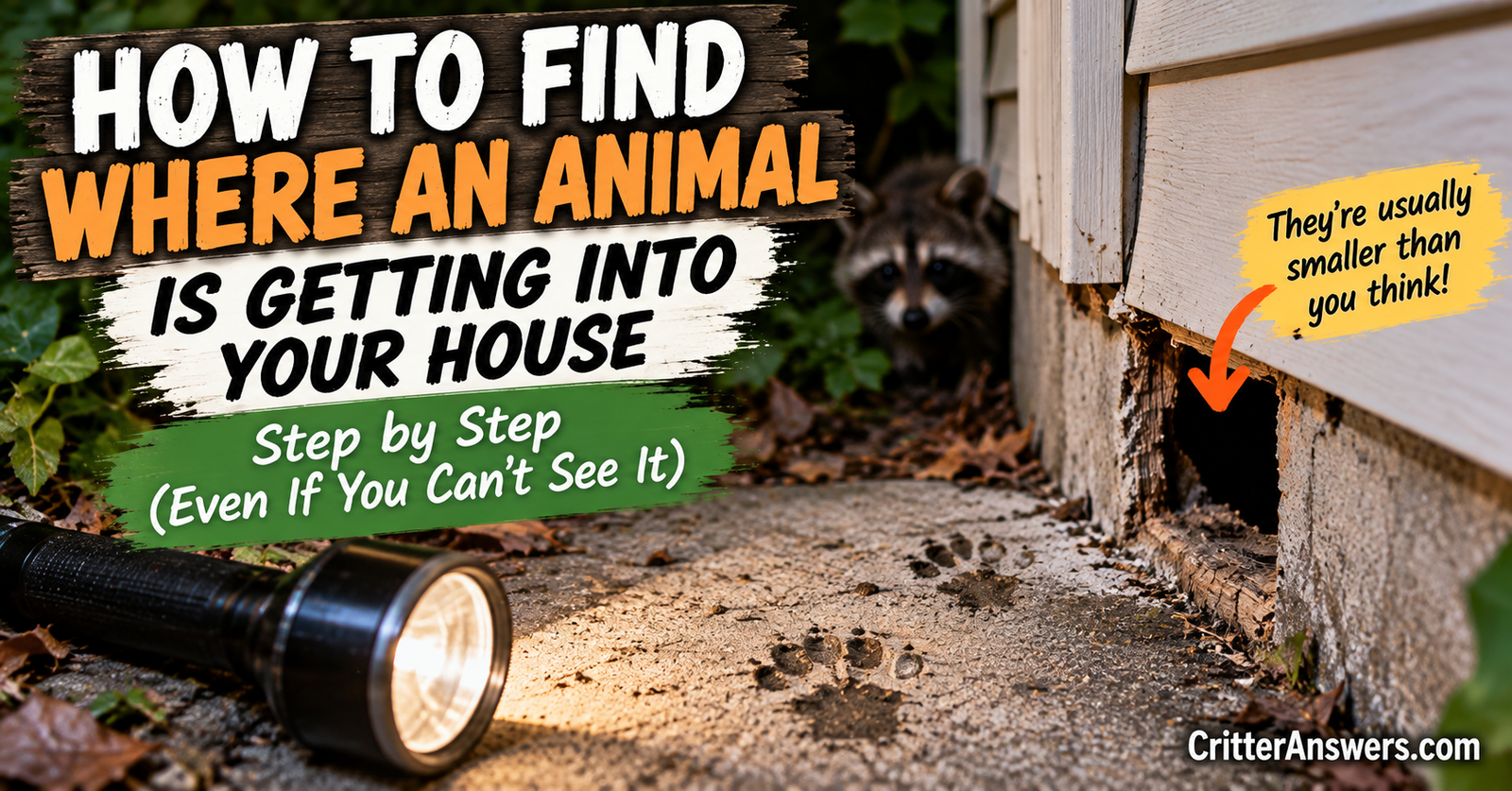
If you’re dealing with a structural entry problem, find where the animal is getting into the house and address the access point once you’re certain no animals or dependent young remain inside.
The trap deals with an individual animal.
The long-term fix deals with why that animal was there.
My Live Trap Bait Cheat Sheet
If I wanted a quick starting point, here’s where I’d begin.
Squirrels: walnuts, pecans, peanut butter, sunflower seed, corn, apple, or orange.
Chipmunks: nut meats, sunflower seeds, raisins, grain, or peanut butter with oats.
Rats: nutmeat, peanut butter, oatmeal, or peanut butter and oatmeal.
For other small wildlife, identify the species and check species-specific recommendations rather than assuming those same baits apply.
Then remember:
The bait gets the animal interested. Placement gets the animal to the trap. Proper bait position gets it across the trigger.
You need all three working together.
If the Bait Is Good but the Trap Is Still Empty
Don’t immediately reach for a different jar in the pantry.
Read the scene.
Is the bait missing?
Is it untouched?
Are there tracks around the cage but none inside?
Did the animal walk around it?
Is the same animal still appearing on camera?
Did something else take the bait?
Those clues tell you what to change.
Untouched bait may point toward the wrong location, wrong bait, or an inactive animal problem.
Missing bait with an open door suggests theft or a setup problem.
Tracks circling the cage can suggest caution.
An animal confidently eating inside an unset trap tells you you’re probably ready to set it.
That’s much more useful than asking whether marshmallows beat peanut butter.
The Best Bait Is the One Your Target Animal Already Wants
If there’s one thing I’d remember from all of this, it’s that live trap bait should be species-specific.
Don’t search for one magical food that supposedly catches everything.
Identify the animal.
Look at what it’s already eating.
Use an appropriate bait.
Put the cage on an established travel route.
Position the reward so the animal must enter far enough to trigger the trap.
Remove competing food when practical.
And if the animal is suspicious of the cage, give pre-baiting a chance before deciding the bait failed.
If you still need an appropriately sized cage for squirrels and similar small nuisance animals, take a look at this heavy-duty humane live trap on Amazon and check the current dimensions and specifications against the animal you’re targeting.
Sometimes changing bait solves the problem.
But just as often, the bait was fine and the setup was wrong.
About the author: Nolan Mercer researches the clues and behavior behind common nuisance-wildlife problems and turns them into practical steps homeowners can actually use. At Critter Answers, he focuses on identifying the animal first and choosing the right control or exclusion method second.