

You have mouse traps.
You know where the mice are running.
Now comes the question everybody seems to have an opinion about:
What should you actually put on a mouse trap?
If you want my simple starting point, it’s a small dab of peanut butter.
There’s a reason peanut butter gets recommended so often. It has a strong smell, mice will eat it, and its sticky texture lets you work a small amount onto the trigger instead of balancing a loose chunk of food on top.
But peanut butter isn’t magic.
Mice eat a surprisingly broad diet, and sometimes the best bait is the food they’re already stealing from your house.
That’s why I wouldn’t spend three nights swapping peanut butter for cheese, chocolate, bacon, and everything else in the refrigerator without first asking a more important question:
Is my trap actually sitting where the mouse travels?
Because bait helps.
Placement usually matters more.
What Is the Best Bait for a Mouse Trap?
For a traditional snap trap, I’d start with:
A small amount of peanut butter worked onto the trigger.
CDC specifically recommends using a small amount of bait and lists chunky peanut butter as an effective option.
MU Extension also recommends peanut butter for house-mouse traps and lists several other foods mice may take.
So peanut butter isn’t just an internet trick.
It’s a very reasonable first choice.
But the words small amount matter.
You don’t need a tablespoon.
You don’t need a giant blob.
And you definitely don’t need to make the mouse a peanut-butter sandwich.
How Much Peanut Butter Should You Put on a Mouse Trap?
Very little.
I want enough for the mouse to smell and investigate, but not so much that it can sit off to the side and nibble without interacting properly with the trigger.
Think small dab, not glob.
CDC’s current trapping guidance specifically says to place a small amount of bait on the bait pan.
That’s a detail people overlook.
They assume:
More bait = more attractive trap.
But more bait can sometimes make stealing the food easier.
The mouse needs to engage with the trigger.
Why Peanut Butter Works So Well
Peanut butter has several things going for it.
It’s aromatic.
It’s calorie-dense.
It’s easy to apply.
And most importantly for trapping, it’s sticky.
A loose piece of food can sometimes be grabbed.
Peanut butter can be smeared into or onto the trigger so the mouse has to spend more time interacting with it.
That extra interaction is exactly what you want.
1. Peanut Butter
This is where I’d start for most household mouse problems.
Use a small dab and work it onto the bait pan or trigger according to the trap manufacturer’s directions.
Don’t smear peanut butter all over the trap.
You want the mouse focused on the trigger.
If the trap is properly positioned along an active route, that small dab may be all you need.
And if you’re still figuring out exactly where those active routes are, our guide on where to put mouse traps for the best chance of catching mice is more important than trying bait number two through nine.
2. Chocolate
Chocolate is another food worth trying.
MU Extension includes chocolate candy among possible house-mouse trap baits.
Again, I wouldn’t use a huge piece.
A small amount secured to the trigger is what matters.
Chocolate can be particularly worth trying when mice are already getting into sweets or similar foods in the house.
That’s a theme you’ll notice throughout this article:
Pay attention to what your mice are already eating.
3. Bacon
Yes, bacon can work too.
MU Extension lists a small piece of bacon secured to the trigger as another mouse-trap bait.
The word secured is important.
If you simply balance a loose piece of bacon on a trap, you’re making bait theft easier.
The goal isn’t to feed the mouse.
The goal is to make the mouse manipulate the trigger.
Use a very small piece.
4. Dried Fruit
Dried fruit is another option listed by MU Extension for house-mouse traps.
A small bit can be useful when you need an alternative to peanut butter.
The same rule applies:
Don’t pile food onto the trap.
Secure a small amount where the mouse has to interact with the trigger.
A mouse isn’t going to care that you provided an impressive buffet.
5. Cheese
We have to talk about cheese because every cartoon mouse in history apparently signed a contract requiring it.
Yes, mice can eat cheese.
MU Extension lists cheese as a possible second-choice bait.
But I wouldn’t automatically make it my first choice.
Peanut butter is easier to smear onto the trigger and harder for a mouse to simply grab and carry away.
So cheese isn’t a myth in the sense that mice refuse to eat it.
It’s just not the magical mouse magnet cartoons make it out to be.

6. The Food They’re Already Stealing
This is one of my favorite options because the mouse has already conducted the product test for you.
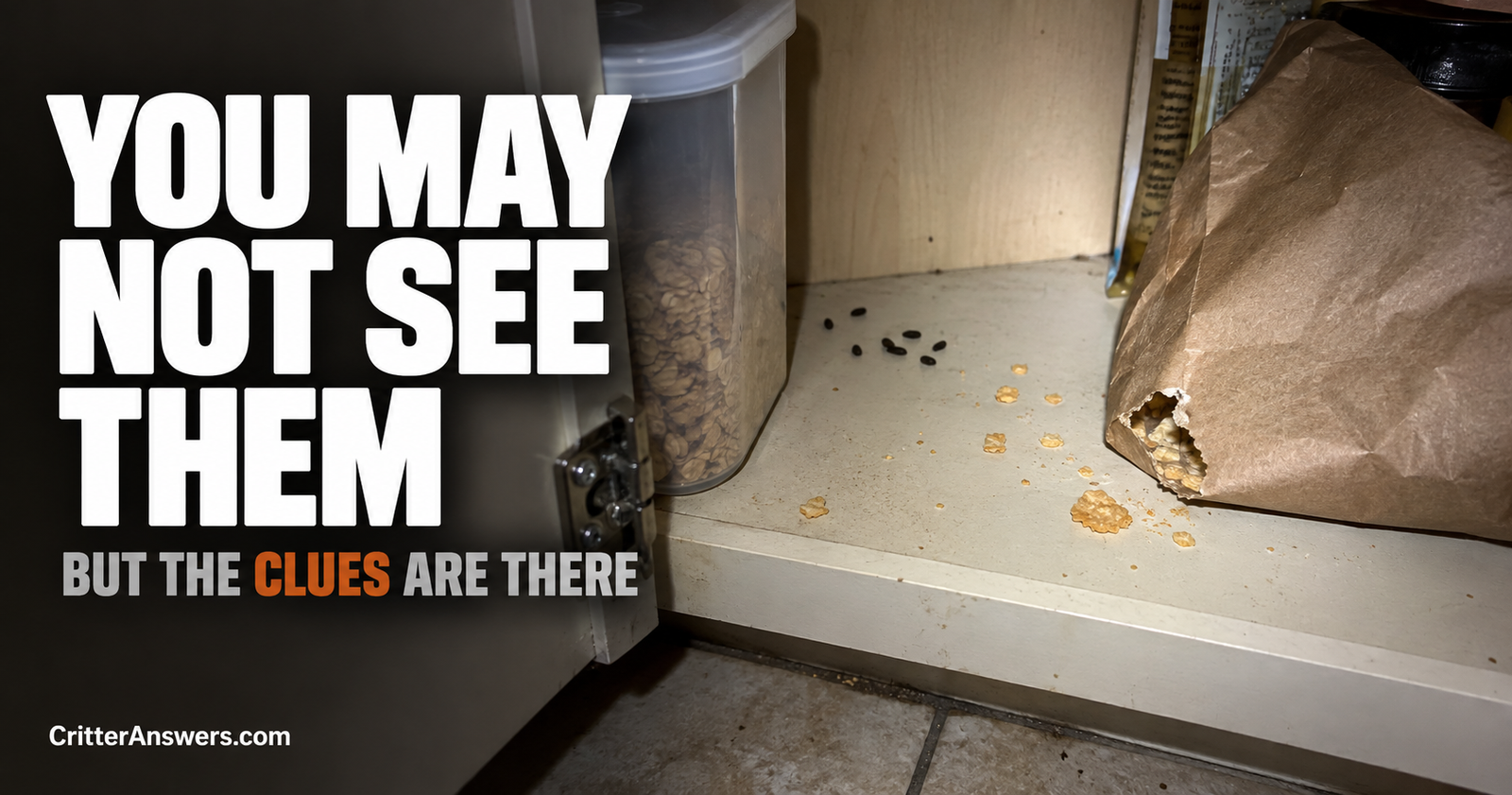
Suppose you discover mice have chewed into:
Dog food.
Bird seed.
Cereal.
Crackers.
Nuts.
Grain.
Chocolate.
A particular snack.
You already know that food interests them.
Using a tiny amount of the food they’re actively stealing can sometimes make more sense than insisting every mouse must prefer peanut butter.
Look around before choosing bait.
The damaged food package may be giving you the answer.
7. Nuts or Nut-Based Foods
House mice commonly eat seeds and grains, and nut-based foods can also be attractive.
Peanut butter is obviously the easiest example.
But a tiny piece of nut secured properly can be another option if that’s what mice are already targeting.
Again, don’t confuse variety with effectiveness.
You don’t need nine different baits on nine different traps just because nine possibilities exist.
Start simple.
8. Grain or Cereal
House mice commonly feed on cereal grains, although they’ll eat many kinds of foods.
That makes cereal or grain a reasonable situational bait—especially if you’ve already found mice getting into it.
If there’s a chewed cereal box in the pantry and mouse droppings underneath it, I pay attention to that.
The mice have shown you:
Where they’re feeding.
What they’re eating.
And probably part of the route they’re using.
That’s useful information.
9. Nesting Material Can Sometimes Be Worth Trying
Food isn’t the only thing a mouse may investigate.
Mice also seek material for nests.
If food baits aren’t producing results and you know mice are actively nesting, a small amount of suitable fibrous nesting material secured to the trigger can sometimes give the mouse another reason to interact with the trap.
But I wouldn’t start here.
Start with proven food bait and proper placement.
Nesting material is more of a situational alternative than my default recommendation.
Which Bait Would I Try First?
My order would be pretty simple.
First: peanut butter.
Second: a food you know the mice are already stealing.
Third: another small, attractive food such as chocolate, dried fruit, bacon, cheese, grain, or nuts.
But before changing bait, I’d check the trap placement.
That’s important enough to repeat.
If mice aren’t even traveling past the trap, changing peanut butter to bacon won’t fix anything.
Why Won’t Mice Eat the Peanut Butter?
There are several possibilities.
Maybe they aren’t traveling near the trap.
Maybe there’s better food available.
Maybe you’ve used too much bait.
Maybe the trap is in an exposed location they aren’t comfortable crossing.
Maybe activity has moved.
Maybe you’re dealing with fewer mice than you thought.
Or maybe the animal stealing food isn’t actually a house mouse.
Don’t automatically blame the peanut butter.
The Biggest Baiting Mistake Is Often a Placement Mistake
Suppose you’ve found mouse droppings behind the refrigerator.
You put a trap with peanut butter on the opposite side of the kitchen.
Nothing happens.
Then you decide:
“Peanut butter doesn’t work on my mice.”
That’s not a fair test.
Move the trap to the active route.
CDC recommends placing traps where you find mice or evidence such as droppings, nesting material, gnawed food, or gnaw marks.
That’s exactly how I’d approach it.
Evidence chooses the location.
Then bait gives the mouse an extra reason to interact with the trap.
Put the Trigger Toward the Wall
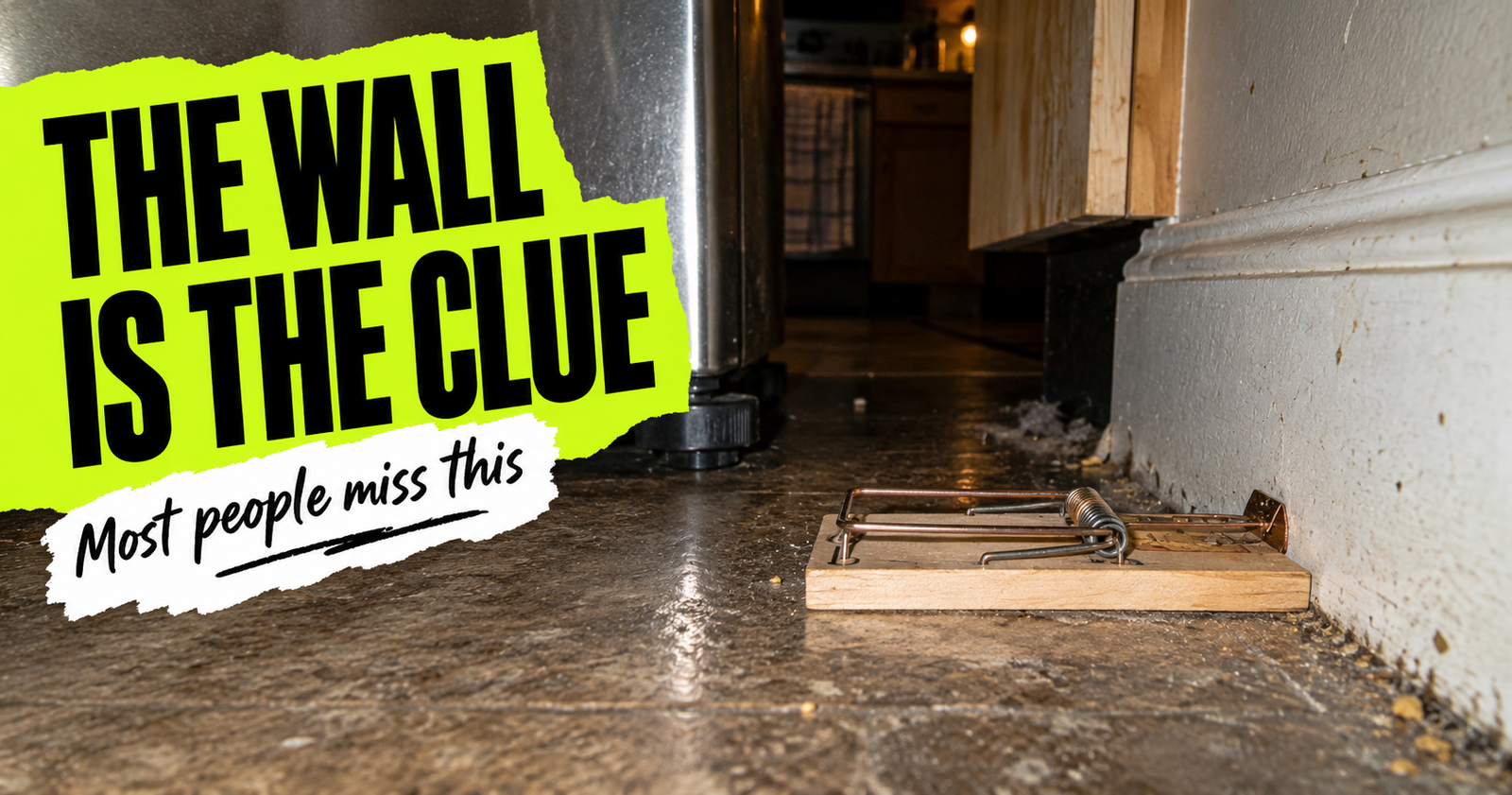
For traditional snap traps, CDC recommends placing the trap against the wall with the baited end next to the wall so the trap forms a T with it.
That’s because mice prefer traveling alongside walls and objects.
So imagine two traps.
One has the world’s most irresistible mouse bait but sits randomly in the middle of a room.
The other has a tiny dab of ordinary peanut butter and sits directly across a heavily used mouse runway.
I’ll take the second setup.
Mice Keep Stealing the Bait Without Getting Caught
This is one of the most frustrating mouse-trapping problems.
You bait the trap.
Go to bed.
Wake up.
The bait is gone.
The trap is still set.
At least you’ve learned something:
A mouse is probably visiting the trap.
Now troubleshoot it.
Use Less Bait
This is the first change I’d make.
A big pile gives the mouse more food to work with.
A tiny smear forces it to interact more closely with the trigger.
If you’ve been putting a grape-sized blob of peanut butter on the trap, cut way back.
You aren’t feeding it breakfast.
Work Sticky Bait Onto the Trigger
Don’t just balance the bait on top.
For a trap designed to accept bait on its trigger, work a small amount into the appropriate area according to its instructions.
Make the mouse work at it.
That’s one advantage peanut butter has over a loose cube of cheese.
Secure Solid Bait
If you’re trying bacon, dried fruit, or another solid bait, make it difficult for the mouse to simply snatch the food.
MU Extension specifically recommends securing certain solid baits to the trigger.
The more the mouse has to tug or manipulate the trigger area, the better the chance of activation.
Check the Trigger Sensitivity
Sometimes the problem isn’t bait at all.
It’s the trap.
Make sure it’s set properly and operating according to the manufacturer’s directions.
Don’t put your fingers in the firing area while testing it.
Snap traps can hurt you just as effectively as they hurt mice.
Try Prebaiting
Here’s a trick that can be useful when rodents seem hesitant around traps.
Put bait on the trap without setting it initially.
Let the mouse take the bait.
Then rebait and set the trap.
CDC discusses prebaiting particularly for cautious rodents such as rats, and MU Extension notes that leaving mouse traps baited but unset until bait is taken can reduce the chance of trap-shy behavior.
I wouldn’t automatically do this for every mouse infestation because house mice may approach traps relatively quickly.
But it’s a useful option when avoidance is becoming a problem.
Don’t Leave Better Food Beside the Trap
This sounds obvious.
But imagine you’re a mouse.
Option one:
A tiny dab of peanut butter sitting on a strange wooden object.
Option two:
An open 30-pound bag of dog food.
Which are you choosing?
Secure competing food.
Put pantry foods in appropriate containers.
Clean crumbs.
Store pet food properly.
Secure bird seed and animal feed.
Close garbage.
The trap shouldn’t be competing with an all-you-can-eat buffet.
Pet Food Can Be a Huge Competitor
Pet food deserves special attention.
A bowl left out overnight provides exactly what a mouse needs.
If you’ve confirmed mice are feeding from pet food, clean up spilled pieces and store the supply securely.
Don’t make the mouse leave a dependable food source to investigate your trap.
And obviously, keep traps themselves inaccessible to pets.
Bird Seed and Livestock Feed Matter Too
This is especially important in garages, sheds, barns, and rural properties.
Mice thrive around stored feed.
If there’s bird seed spilling from a bag next to your baited mouse trap, you’ve made your job harder.
Store feed in durable containers mice can’t easily access.
Then put traps along the routes supported by droppings and other evidence.
Does Fresh Peanut Butter Matter?
It doesn’t need to come straight from a brand-new jar every night.
But I wouldn’t leave old, dried-out, contaminated bait sitting indefinitely either.
Check your traps daily.
Replace bait when needed.
If the trap is in a dusty, damp, or dirty location, pay even closer attention.
A tiny amount of reasonably fresh bait is all you’re after.
Can You Use Too Much Mouse Trap Bait?
Absolutely.
This is probably one of the most common baiting mistakes.
A huge glob doesn’t make the trap exponentially more attractive.
It can make it easier for the mouse to nibble without properly working the trigger.
Keep it small.
I’d rather have the mouse spend time trying to get a tiny sticky smear than stand beside the trap eating a mound of peanut butter.
Can You Use No Bait at All?
Sometimes a trap placed directly on a heavily used runway can catch a mouse even without an especially attractive bait.
That illustrates how important placement is.
But for ordinary household trapping, I still like using a small amount of bait.
It gives the mouse an additional reason to stop at the trigger instead of simply passing by.
What If the Mouse Doesn’t Like Any Bait I Try?
At some point, stop blaming the menu.
If you’ve tried reasonable bait and nothing is happening, ask:
Are there actually mice here right now?
Is this an active travel route?
Is the trap against the wall?
Are there too few traps?
Is competing food available?
Are the mice active somewhere else?
Is the trap functioning correctly?
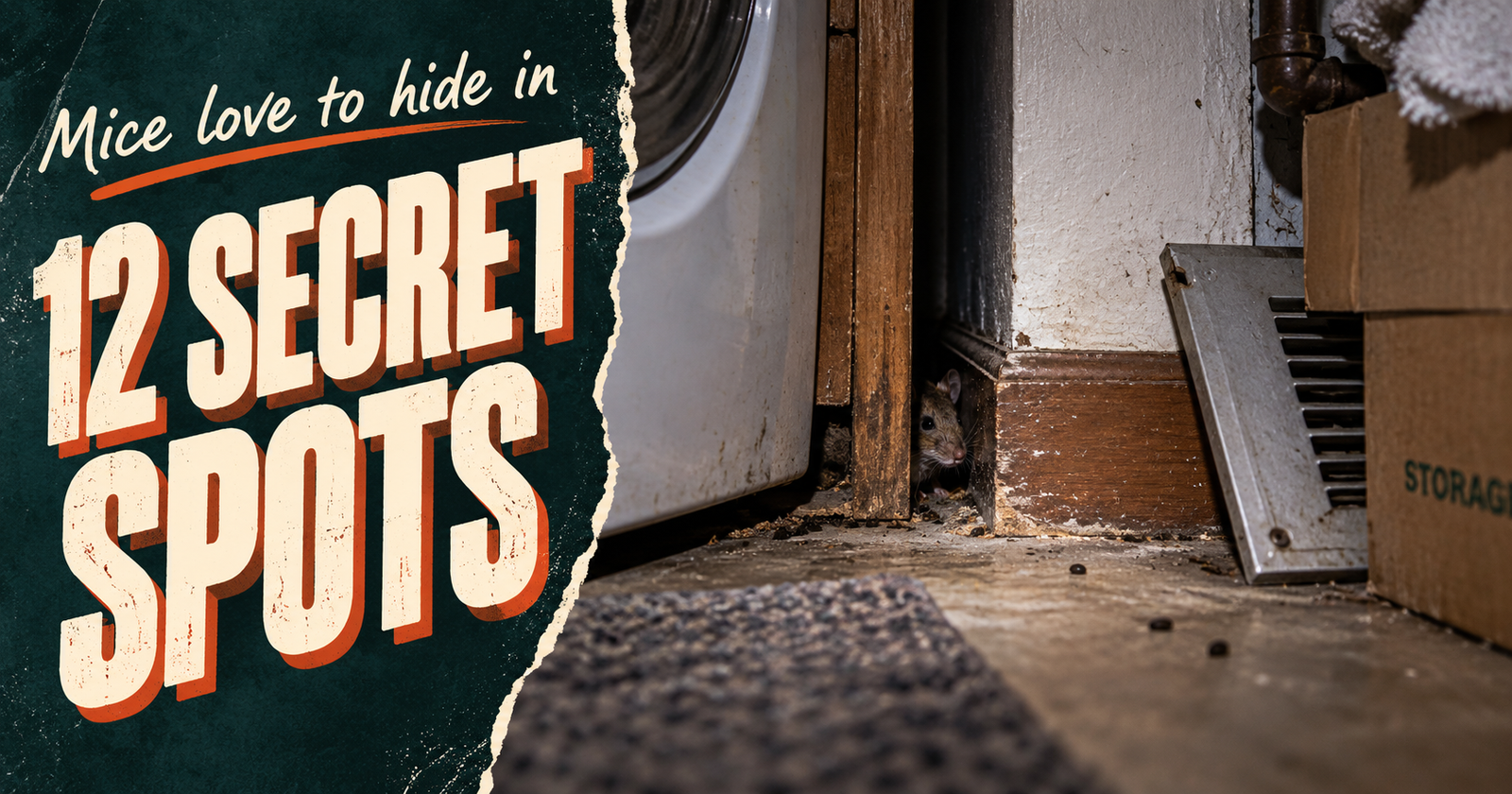
Our article on where mice hide around the house can help if you suspect you’ve simply been targeting the wrong location.
How Many Baited Mouse Traps Should You Use?
Enough to cover the active areas.
MU Extension recommends using enough traps to make the trapping effort short and decisive and generally spacing them no more than about 10 feet apart in areas where mice are active.
That’s another reason one trap often isn’t enough.
If you have droppings:
Behind the stove.
Under the sink.
In the pantry.
And along the garage wall.
I’d rather cover those active routes simultaneously.
The Victor 12-Pack Fits This Strategy Well
For traditional trapping, the Victor Metal Pedal Mouse Traps 12-Pack gives you enough traps to cover multiple active routes rather than repeatedly moving one or two around the house.

Check the Victor Metal Pedal Mouse Traps 12-Pack on Amazon
You don’t need to use all twelve just because they’re in the package.
Use the number your mouse evidence justifies.
Then bait each one lightly and place it properly.
What About Baiting an Electric Mouse Trap?
Follow the instructions for the specific electric trap.
Don’t assume the setup for a wooden snap trap automatically applies to every enclosed electronic trap.
The OWLTRA OW-2 Indoor Electric Mouse Trap 2-Pack is one enclosed indoor option we’ve discussed in this mouse cluster.

Check the OWLTRA OW-2 Electric Mouse Trap 2-Pack on Amazon
The same broader principle still applies:
Put the trap where mice are active and use bait according to the manufacturer’s instructions.
Should You Use Poison as Mouse Trap Bait?
No.
A mouse trap and a rodenticide bait station are different control methods.
Don’t start improvising by smearing rodenticide onto mechanical traps.
If you’re considering poison, use an EPA-registered product exactly according to its label and in an appropriate bait station when required.
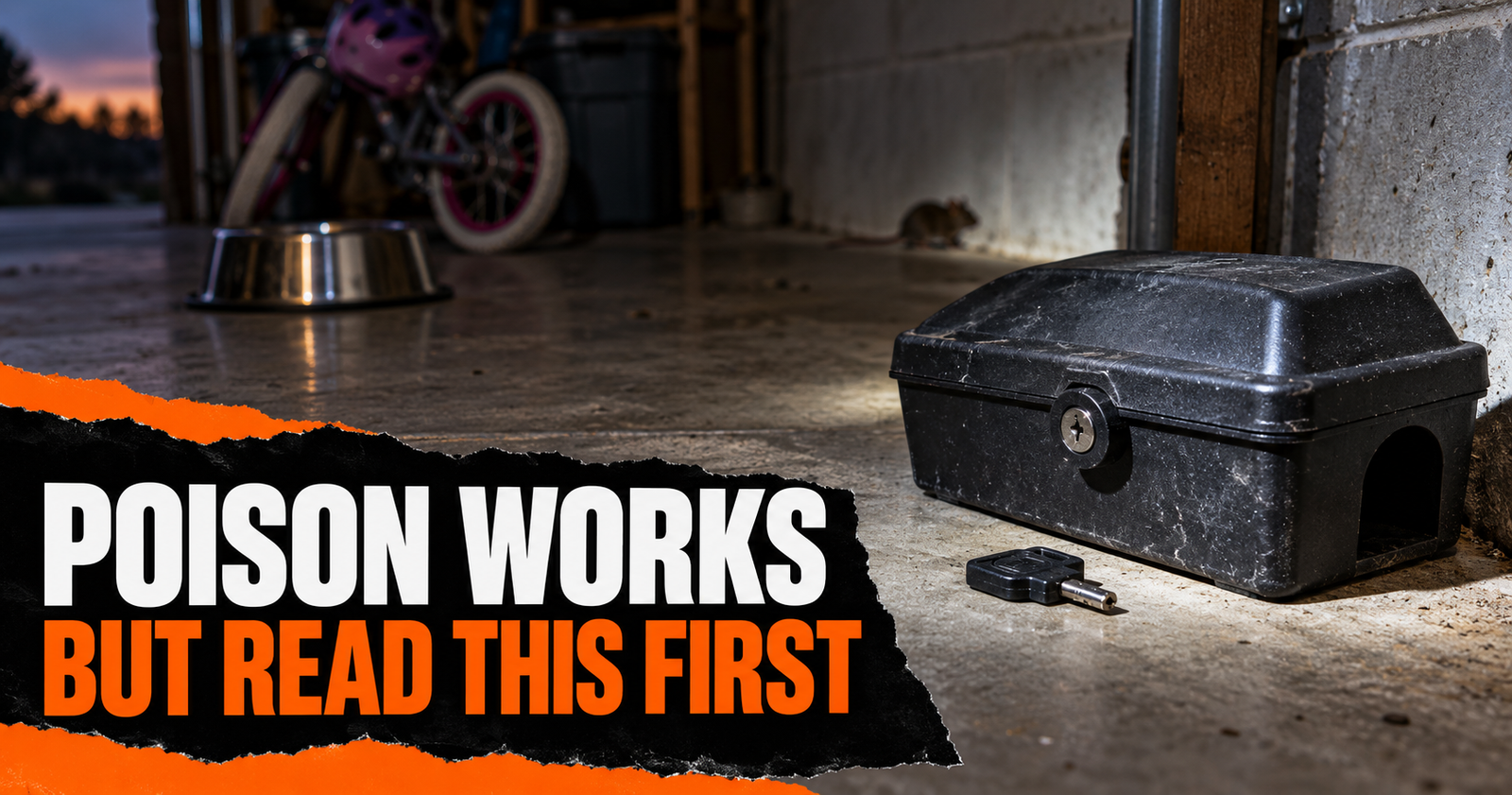
We’ve already put together an honest guide to the pros and cons of mouse poison if you’re deciding between approaches.
What About Cheese With Peanut Butter?
You could combine foods.
But I don’t think turning mouse trapping into a recipe contest gets you very far.
Start with a tiny amount of peanut butter.
If that doesn’t work, investigate why before piling more ingredients onto the trap.
The solution is rarely:
“My mouse wanted a more sophisticated appetizer.”
What About Peanut Butter and Oatmeal?
Peanut butter combined with oats is another traditional rodent bait combination.
But again, keep the amount appropriate for the trigger.
You aren’t trying to create a meal.
You’re creating a small attraction point that requires the mouse to interact with the trap.
Do Mice Really Prefer Peanut Butter Over Cheese?
I wouldn’t make this more scientific than the evidence allows.
Both can attract mice.
Peanut butter has practical advantages for snap traps because it has a strong odor and sticky texture and can be applied in a small amount directly to the bait area.
That’s enough reason for me to choose it first.
Cheese can work.
Peanut butter is simply easier to use effectively.
Should You Change Bait Every Night?
No.
If your trap is correctly placed on an active route and the bait remains in good condition, you don’t need to reinvent the setup every evening.
Give it a reasonable chance.
If the bait is untouched and you see no activity near the trap, reassess the location.
If the bait keeps disappearing without captures, reassess the amount, attachment, trigger, and trap setup.
Those are two very different problems.
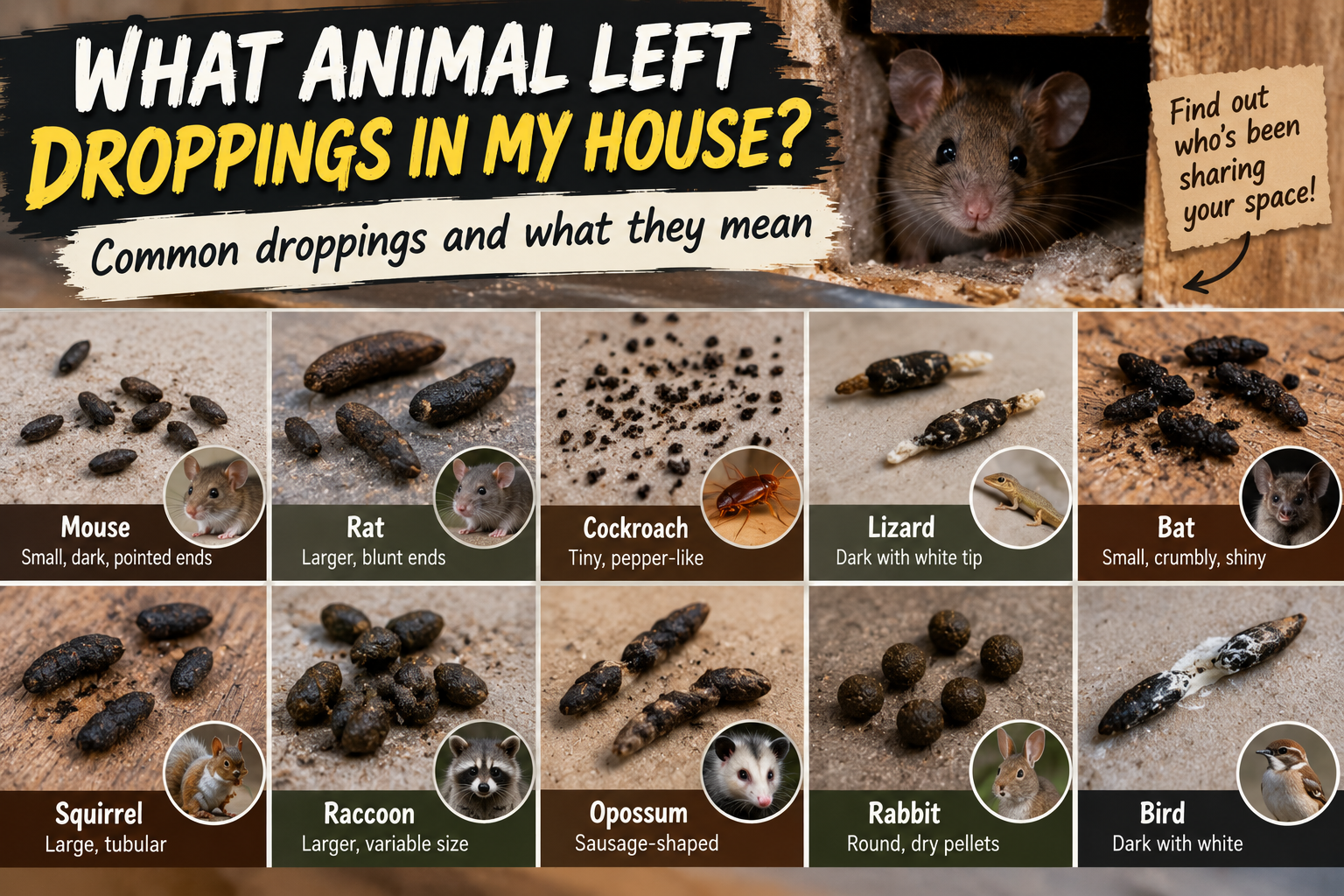
Use Your Mouse Droppings as a Map
Droppings tell you where mice have been active.
If you’re finding fresh droppings behind the refrigerator, that’s where I’d concentrate attention.
If you’re finding them in the pantry, inspect that route.
If you’re finding them beneath the sink, check plumbing penetrations.
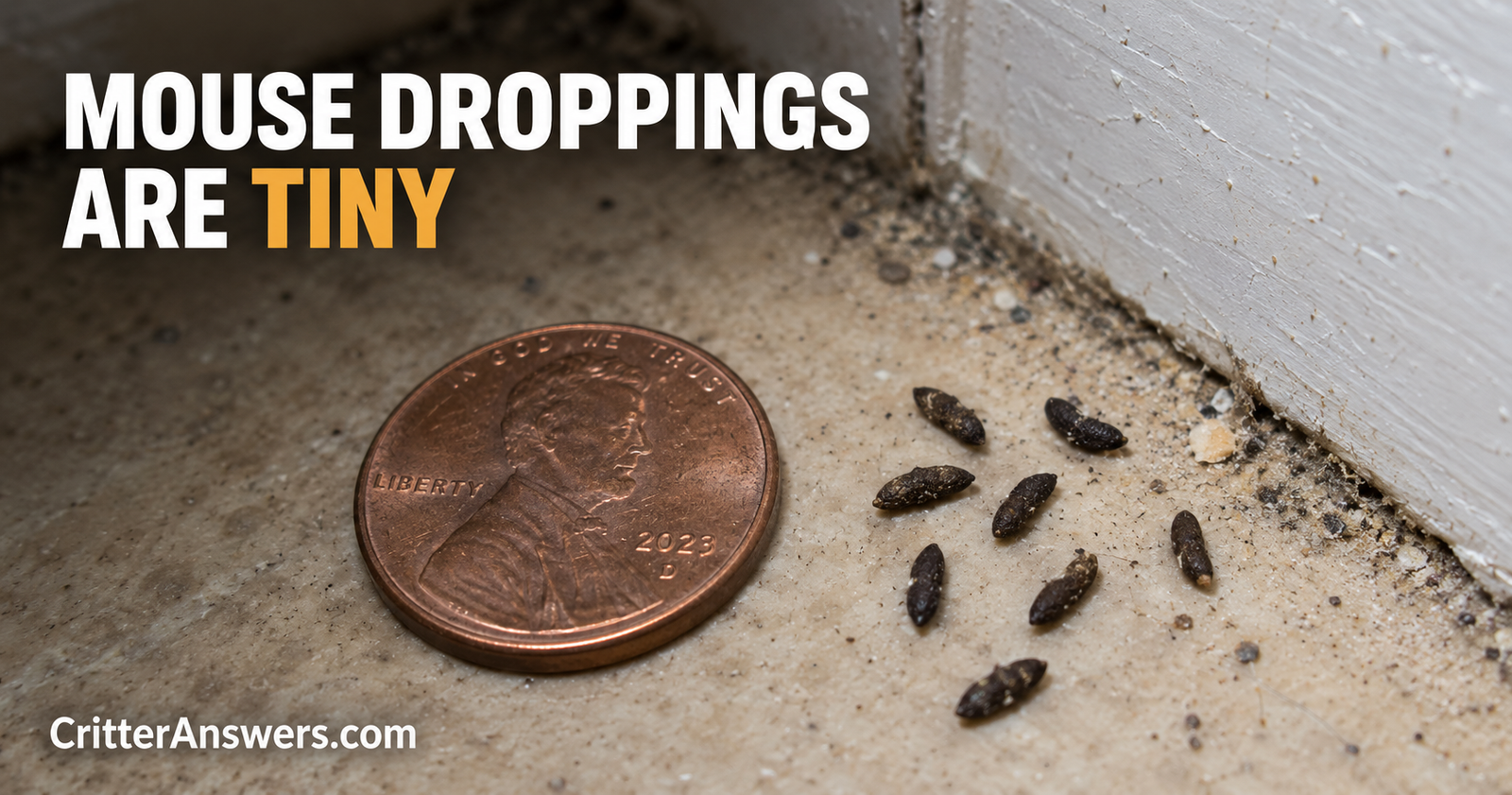
Our mouse-dropping identification guide can help if you aren’t positive that’s what you’ve found.
Don’t just ask what bait mice like.
Ask where they’re eating it.
What If You Saw Only One Mouse?
I’d still trap.
One sighting doesn’t tell you exactly how many mice are present.
Set several traps in the active area and monitor what happens.
If you’re trying to judge the extent of the problem, our guide on what seeing one mouse can tell you about how many may be hiding goes into that question in detail.
Trap results can give you much better information than guessing.
Don’t Stop at Catching Mice
This is another place where people get tunnel vision.
Perfect bait.
Perfect trap.
Perfect placement.
Mouse caught.
Great.
How did it get inside?
If you don’t answer that question, another mouse can replace it.
Mice can squeeze through extremely small openings, so trapping should happen alongside an inspection for entry points.
My Simple Mouse Trap Bait Formula
If you want to skip all the experimentation, this is where I’d start:
Use a small dab of peanut butter.
Work it onto the trigger according to the trap instructions.
Put the trap directly on an active mouse route.
For traditional snap traps, position the trigger end toward the wall.
Use enough traps.
Cover the areas where you actually have evidence.
Remove competing food.
Secure pet food, pantry food, bird seed, feed, and garbage.
Check traps every day.
Refresh bait when needed.
If bait disappears without a catch, troubleshoot the setup.
Use less bait, secure it better, and check the trigger.
If bait is never touched, troubleshoot the location.
Don’t immediately blame the bait.
That’s the distinction that saves a lot of wasted time.
The Best Mouse Bait Won’t Fix the Wrong Trap Location
If I had to choose between:
A mediocre bait in exactly the right location.
Or the world’s greatest mouse bait 20 feet away from mouse activity.
I’ll take the first one.
Every time.
Start with peanut butter because it’s inexpensive, easy, sticky, and recommended by reliable rodent-control guidance.
Try alternatives when the situation gives you a reason.
Chocolate can work.
Bacon can work.
Dried fruit can work.
Cheese can work.
Grain can work.
The food your mice are already stealing may work especially well.
But don’t lose sight of the bigger picture.
The bait attracts the mouse to the trigger. The trap still needs to be where the mouse actually goes.
If you need multiple traditional traps to cover several active routes, the Victor Metal Pedal Mouse Traps 12-Pack on Amazon fits that strategy nicely.
And once you’ve caught the mice, don’t leave the house open for the next group. Our complete guide to getting rid of mice in your house for good walks through the rest of the process, including exclusion and prevention.
Good bait helps you catch a mouse.
Good mouse control makes sure you don’t have to keep catching them forever.
About the author: Caleb Rourke researches how mice and other rodents get into homes, where they hide, and the practical steps homeowners can use to identify and prevent them. He writes straightforward rodent-control guides for Critter Answers.