
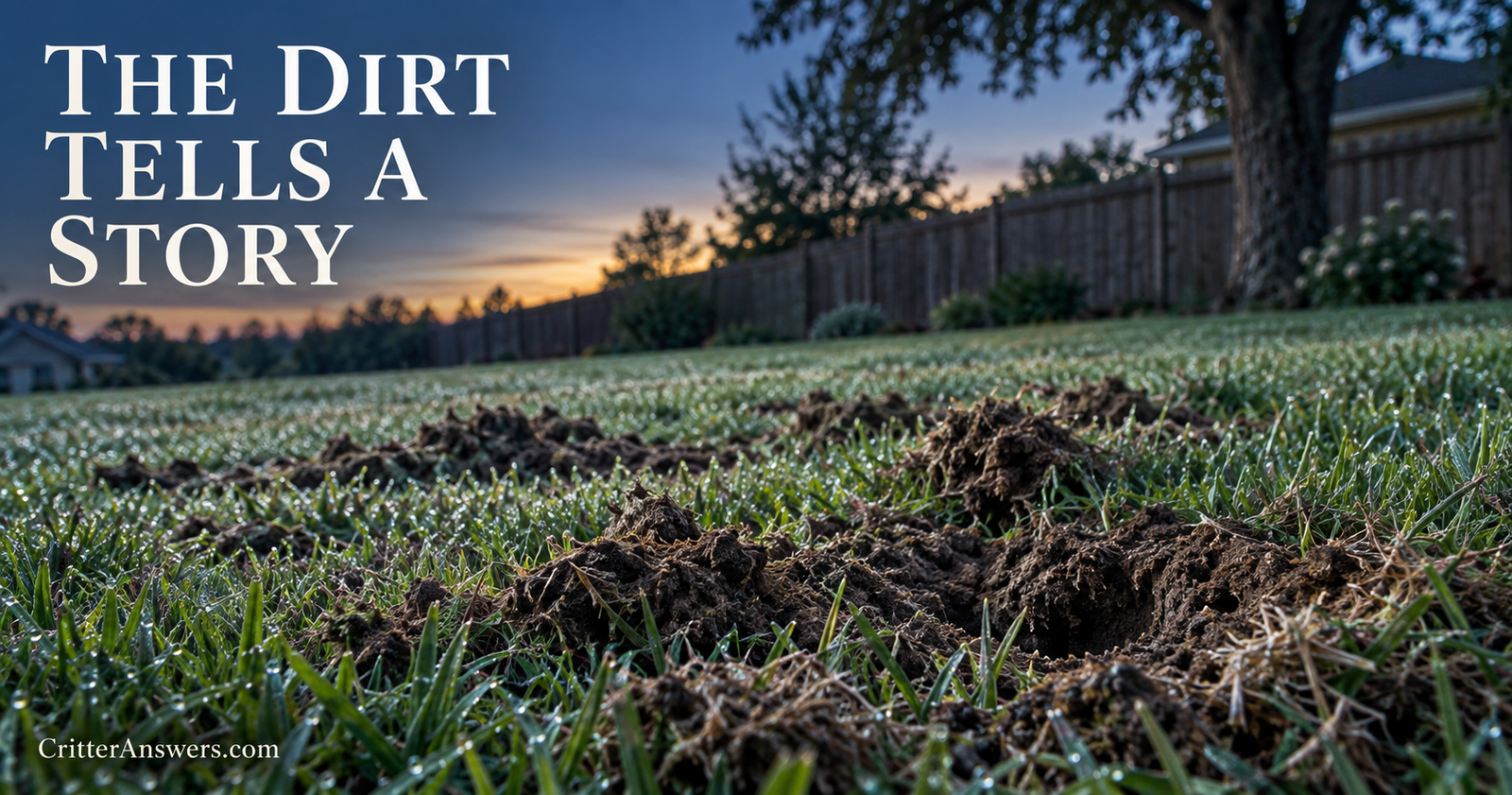
You go inside for the night with a perfectly normal lawn.
The next morning it looks like somebody attacked it with a tiny shovel.
There are holes everywhere.
Chunks of grass are flipped over.
Maybe entire pieces of sod have been pulled back.
And somehow you never heard or saw a thing.
So what animal is digging up your lawn at night?
If the damage appeared overnight, my first suspects would usually be skunks or raccoons, especially when the digging is shallow and scattered through otherwise healthy turf. In areas where nine-banded armadillos occur, they deserve a place high on the list too. Those same nighttime visitors may also investigate household garbage, so what animal is getting into my trash at night can help compare trash damage with the lawn pattern.
But don’t identify the animal from the time of day alone.
Look at how the grass was disturbed.
A skunk poking dozens of individual holes into the soil leaves a different scene than a raccoon peeling up turf. An armadillo rooting through the lawn can leave another pattern entirely.
And if you have raised tunnels instead of freshly excavated holes, you may not be dealing with any of those animals.
The lawn itself is your evidence.
Start With What the Damage Actually Looks Like
Before worrying about how to stop the animal, walk around and inspect the damage.
I’m looking for a few specific things:
- Lots of small individual holes
- Cone-shaped holes
- Pieces of sod flipped over
- Large sections of turf peeled or rolled back
- Shallow rooting or divots
- Raised underground tunnels
- Small surface runways through the grass
- Fresh dirt
- Tracks
- Droppings
- A nearby burrow or den
Take pictures before repairing anything.
If this happens again tomorrow night, you’ll be able to compare the new damage with the old damage.
That can tell you whether the animal is repeatedly feeding in one area or moving across the yard.
Lots of Small Cone-Shaped Holes Point Toward a Skunk
If I walked outside and found clusters of relatively small, cone-shaped holes, skunk would move high on my list.
Skunks commonly dig through lawns looking for food below the surface.
University of Maryland Extension describes their feeding holes as roughly 3 inches across and 3 inches deep, often occurring as numerous individual holes clustered together.
They’re often after:
- Beetle grubs
- Other insect larvae
- Earthworms
- Other small food beneath the soil
They’re basically probing the lawn one spot at a time.
That’s why the damage can look like somebody walked around stabbing a little garden trowel into the turf.
Skunk Damage Doesn’t Always Come With Skunk Smell
This is worth mentioning because people use smell as their entire identification method.
No skunk smell?
Can’t be a skunk.
That’s not reliable.
A skunk doesn’t spray every time it visits your property.
It may quietly spend the night digging through the lawn and leave without spraying anything.
So I’d treat skunk odor as supporting evidence, not a requirement.
If you have dozens of fresh shallow cone-shaped holes appearing overnight, skunk remains a possibility even when the yard doesn’t stink.
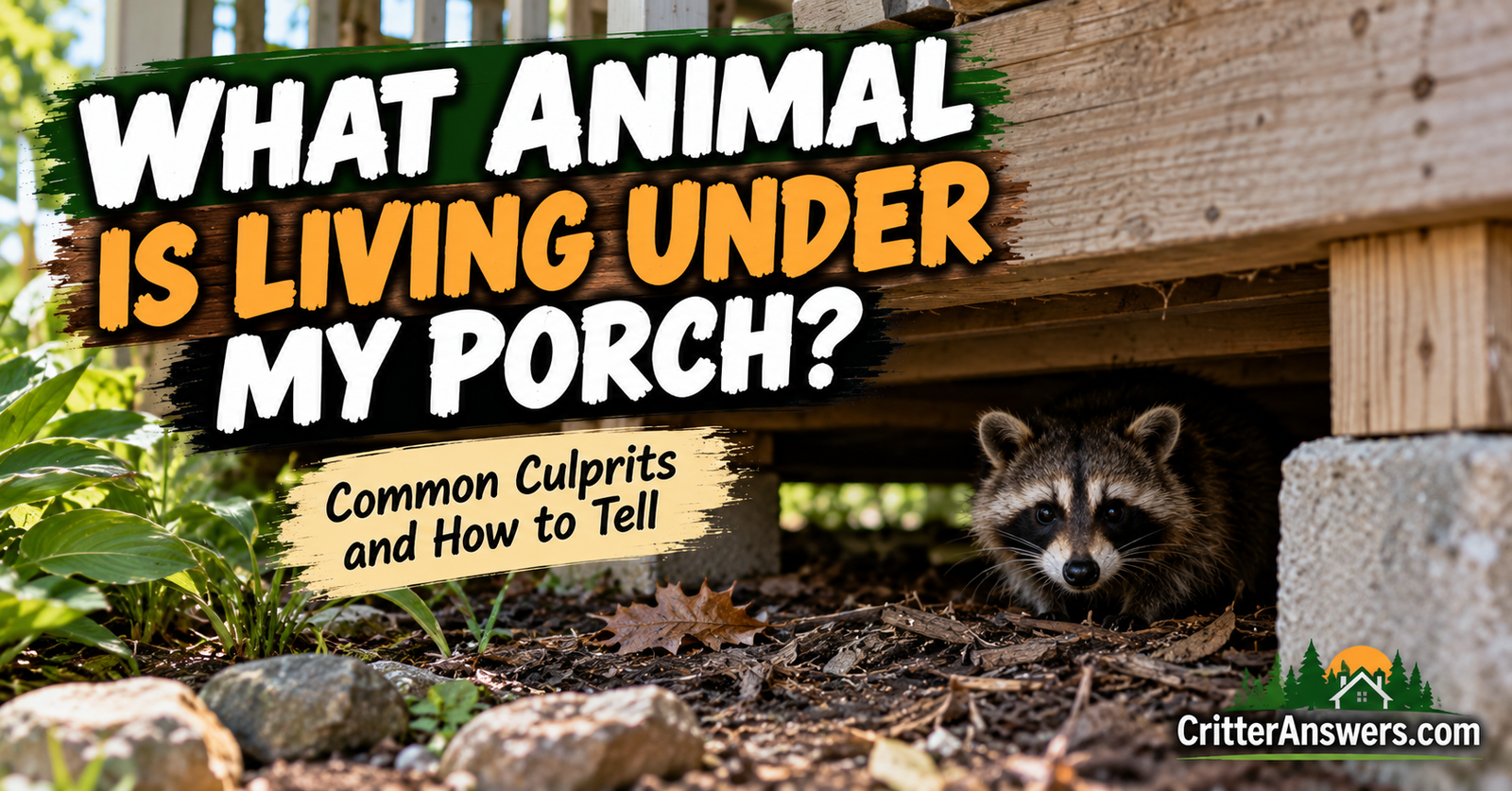
Raccoons Tend to Be Rougher With the Sod
Raccoon feeding damage can overlap considerably with skunk damage because both animals may be looking for food beneath the grass.
But there is a useful difference.
Raccoons tend to lift or roll the turf.
University of Maryland Extension notes that raccoons are more likely to pull up pieces of sod and leave grass in chunks, while skunks more commonly produce arrays of individual feeding holes.
So if I wake up to:
20 small holes punched into the lawn
I’m thinking more seriously about skunk.
If I wake up to:
chunks of my lawn peeled back like somebody was checking underneath the carpet
raccoon climbs the list.
It’s not a perfect rule.
But it’s a very useful clue.

Why Would a Raccoon Tear Up Grass?
Food.
That’s usually what this kind of lawn damage is about.
Raccoons eat a wide variety of foods, including insects and other things they can find beneath turf.
If they detect a productive feeding area, they’re capable of making quite a mess getting to it.
And because raccoons are commonly active at night, you may never see the animal responsible.
You just see the aftermath in the morning.
Tracks Can Separate Raccoon From Skunk
If the ground is soft enough, tracks can help considerably.
Raccoon tracks have a distinctive long-toed, hand-like appearance.
Skunk tracks look different, with five toes and prominent claws that make sense for an animal built to dig.
Don’t rely on a single muddy partial print.
Look around:
Near the damaged turf.
Along the edge of the house.
Beside fences.
Around gardens.
Near a porch or shed.
Mud, bare soil and dusty surfaces may preserve much better tracks than the grass itself.
A trail camera can settle the question even faster.
If the Lawn Looks Rooted Up Everywhere, Consider an Armadillo
This depends heavily on where you live.
But in areas with nine-banded armadillos, they can absolutely tear up a lawn while feeding.
University of Georgia Extension describes armadillos using their noses and front feet to dig for invertebrates near the soil surface. They can leave dozens of shallow holes overnight, commonly several inches across and tapering downward.
That’s a very different animal from a skunk, but the resulting lawn damage can be confusing if you never see the culprit.
Armadillo Holes Can Look Like Little Funnels
UGA describes common armadillo feeding damage as shallow holes roughly 3 to 5 inches wide, often tapering downward as the animal roots through the soil looking for food.
One hole isn’t necessarily dramatic.
Dozens are.
You may find:
- Shallow divots
- Uprooted turf
- Disturbed flower beds
- Small funnel-like holes
- Damage concentrated where soil is easy to dig
If you’re within armadillo range and this keeps happening overnight, they’re worth considering.
Don’t Confuse Armadillo Feeding Holes With an Armadillo Burrow
This is exactly why our two yard-damage articles need to remain separate.
A feeding hole is one thing.
A den or burrow is another.
Armadillos can excavate substantial burrows for shelter, but their routine feeding activity produces much smaller shallow holes as they search for soil invertebrates.
If you’re staring at one substantial opening with excavated dirt around it, you’re asking a different question than someone whose lawn suddenly contains 40 little divots.
For actual burrows, mounds and mystery entrances, use my guide to identifying what animal dug a hole in your yard.
Here we’re trying to identify fresh feeding damage across the lawn.
Could It Be a Mole?
Possibly, but the evidence usually looks different.
Moles spend most of their time underground.
Instead of waking up to turf that has been peeled back by paws, you’re more likely to notice raised ridges or tunnels running through the lawn.
University of Minnesota Extension describes mole feeding tunnels as networks just beneath the surface, while deeper tunnels may produce conical piles of excavated soil.
So look at the ground carefully.
Fresh holes and torn turf?
Think surface-feeding wildlife.
Long raised ridges pushing the grass upward?
Start thinking mole.
Here’s a Quick Way to Check an Active Mole Tunnel
If you suspect a mole, don’t focus only on the dirt piles.
Find one of the raised surface tunnels.
Flatten a section.
Then check it again later.
University of Minnesota Extension recommends compressing a suspected tunnel and checking whether the mole raises the soil or turf again within about 24 hours. That’s an indication the tunnel is actively being used.
That’s much better evidence than assuming every mound in a lawn belongs to a mole.
Voles Leave Another Kind of Clue
Voles can also create lawn damage, but again, the pattern differs.
They’re small rodents that commonly create surface runways through grass along with small burrow openings.
University of Maryland Extension describes vole openings as roughly 1 to 2 inches across with similarly narrow pathways visible through the lawn.
That can look like:
Grass pressed or clipped into narrow trails.
Small holes along those trails.
Runways beneath vegetation.
Damage around plants, shrubs or young trees.
That’s not the same scene as a raccoon rolling back chunks of sod overnight.
Could a Squirrel Be Digging Up My Lawn?
Absolutely.
But squirrel digging generally has a different feel to it.
Squirrels bury and retrieve food.
If you have squirrels everywhere, you may find small shallow holes where they’ve buried or recovered nuts.
Usually I wouldn’t expect one squirrel caching acorns to create the same widespread ripped-up turf associated with a determined raccoon searching for food below the grass.
Time is another clue.
Tree squirrels are primarily daytime animals.
So if new damage consistently appears between bedtime and sunrise, I’d look harder at nocturnal suspects.
A camera removes the guesswork.
What About Chipmunks?
Chipmunks dig too, but their activity tends to point more toward burrows and entrances than widespread overnight lawn excavation.
They’re also primarily active during daylight.
If you have a neat little opening near:
- A retaining wall
- Landscaping
- A foundation
- A patio
- A wood pile
- Steps
you may be dealing with a chipmunk burrow.
That’s different from waking up to an entire section of lawn freshly disturbed.
Again, pay attention to the pattern, not simply the presence of a hole.
Could an Opossum Be Digging in the Yard?
Opossums forage at night and eat a varied diet, so I wouldn’t say they’re incapable of disturbing soil.
But if I have classic overnight lawn excavation, skunk and raccoon are much stronger starting suspects.
This is where people get into trouble with wildlife identification.
They ask:
“Could an opossum dig?”
Maybe.
But that’s not the same question as:
“Which animal most commonly produces the exact damage I’m looking at?”
Start with the strongest match.
Then use tracks, droppings and camera evidence to confirm it.
Don’t Blame the First Animal You See
This happens constantly.
You notice squirrels during the afternoon.
The next morning the lawn is torn up.
Must be squirrels.
Not necessarily.
The animal you see during the day and the animal visiting at 2:30 in the morning can be completely different.
If the damage consistently appears overnight, that’s valuable evidence.
Don’t throw it away just because one species happens to be more visible.
A Cheap Trail Camera Can End the Mystery Fast
For repeated overnight damage, I really like cameras.
You’re no longer interpreting only the aftermath.
You get to see the culprit.
Position a wildlife camera so it covers the damaged area without pointing directly into bright lights or an obstruction.
Then check what happens overnight.
You may discover:
12:43 a.m. — raccoon.
2:17 a.m. — same raccoon.
4:02 a.m. — skunk.
Suddenly the holes make a lot more sense.
A camera is especially worthwhile when two species produce similar damage.
Check the Lawn for Grubs, but Don’t Assume They’re There
This is one of the biggest mistakes I’d avoid.
Animal digs lawn.
Therefore:
GRUBS!
Then someone buys a grub killer without ever checking whether the lawn actually has a grub problem.
University of Maryland Extension specifically warns against assuming abundant grubs are the reason wildlife is digging. Their recommendation is to actually inspect multiple areas of the lawn and verify a significant grub population before deciding grub control is warranted.
That’s smart.
The animal could be searching for other insects, earthworms or food.
Don’t apply a pesticide to solve a pest population you haven’t confirmed exists.
How Do I Check for Grubs?
Look beneath the turf in several areas rather than checking one random square and declaring the entire lawn infested.
Grubs live in the soil around the root zone.
If the turf has suffered significant root feeding, it may feel spongy and lift more easily from the soil.
But even finding a few grubs doesn’t automatically mean you’ve found the reason for the wildlife damage.
Some grubs in a lawn can be normal.
You’re trying to determine whether there’s enough activity to justify treatment according to recommendations for the particular grub species and your region.
Identification first.
Treatment second.
That rule works for bugs just as well as wildlife.
Killing Grubs Isn’t a Guaranteed Wildlife Cure
Even if you confirm grubs, don’t assume the raccoon signs a contract promising never to visit again.
These animals eat other things.
University of Maryland notes that skunks and raccoons can feed on insects, larvae, earthworms and small rodents in lawns.
Your property may offer other attractions too.
Garbage.
Pet food.
Bird seed.
Compost.
Shelter.
Water.
So think beyond one food source.
Look Around the Yard for Other Attractions
If I have an animal repeatedly visiting at night, I want to know why the property is worth visiting.
Walk around and look for:
- Pet food left outdoors
- Overflowing bird feeders
- Spilled livestock or chicken feed
- Unsecured garbage
- Compost
- Fallen fruit
- Garden produce
- Accessible water
- Shelter beneath decks
- Space beneath sheds
- Brushy protected areas
Sometimes the torn lawn isn’t the only reason the animal is there.
It may already be living 20 feet away.
Check Under Your Shed and Porch
This becomes especially interesting with skunks.
Skunks commonly use sheltered spaces beneath structures.
University of Maryland notes that they may den beneath porches, low decks and sheds.
So if your lawn is getting peppered with feeding holes every night and there’s a suspicious opening beneath the shed, don’t ignore it.
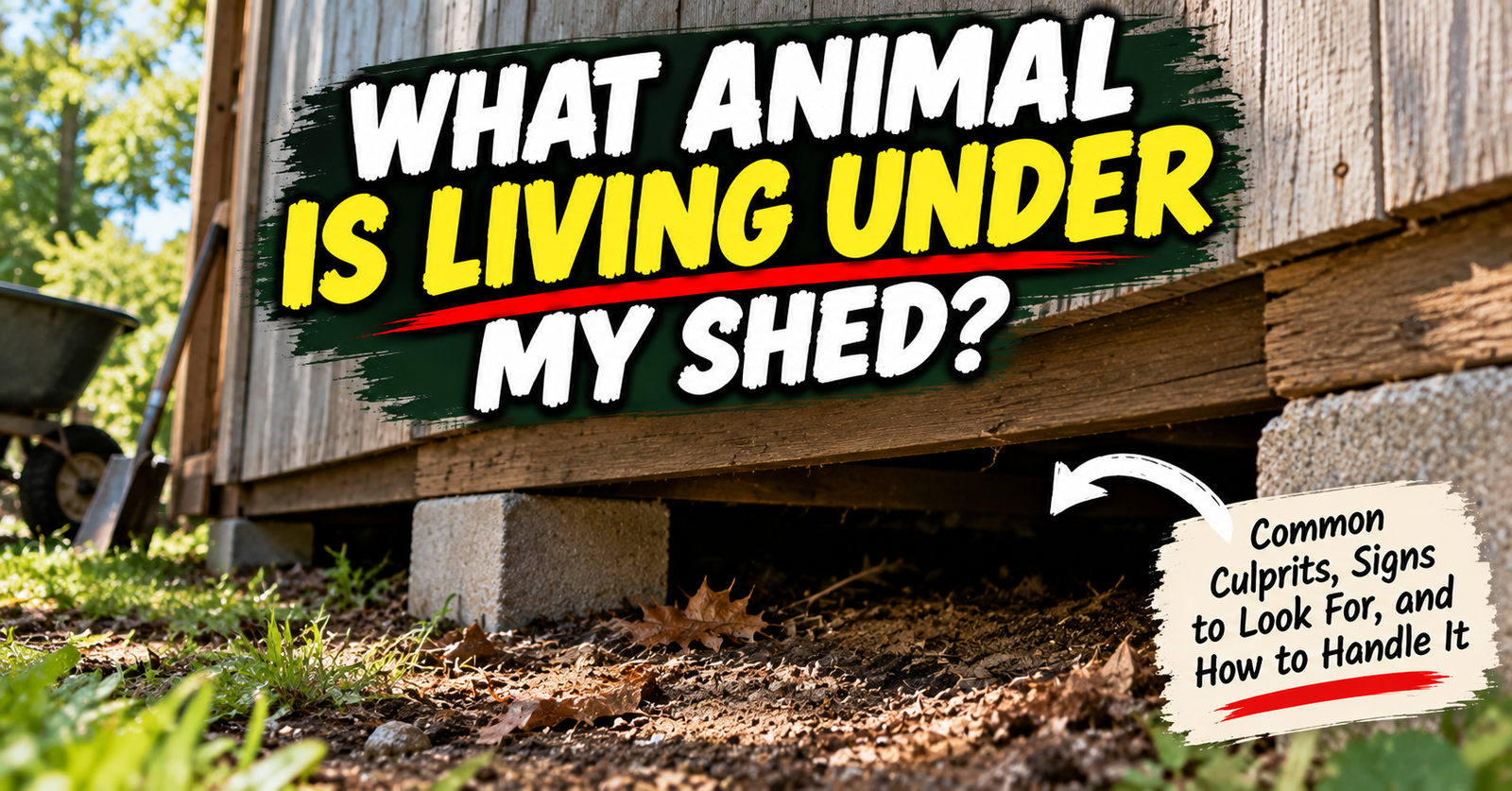
Our guide to figuring out what animal is living under your shed walks through the clues that separate the common suspects.
Just don’t immediately seal the hole.
You need to know whether something is actually living there and whether dependent young could be present.
Smell Can Strengthen a Skunk Identification
Now skunk odor becomes useful.
You have:
Cone-shaped holes.
Damage overnight.
A burrow beneath the shed.
And unmistakable skunk smell.
Those clues reinforce each other.
That’s much stronger than using smell alone.
Good wildlife identification works like that.
One clue points.
Several matching clues convince.
Raccoons May Leave Evidence Somewhere Besides the Grass
If I suspect raccoons, I’d expand the search.
Look around:
- Garbage cans
- Decks
- Porches
- Trees
- Fences
- Water sources
- Pet feeding areas
- Garden beds
- Outbuildings
You may find tracks or other damage that makes the identification much easier.
Raccoons are capable climbers and opportunistic feeders.
The torn lawn may just be one stop on their nightly route.
Fresh Damage Every Morning Means the Food Source Is Still Paying Off
This is a clue people overlook.
If the animal comes back night after night, the area is rewarding it.
It is finding something.
Maybe insects.
Maybe worms.
Maybe another food source nearby.
Repeated digging tells you the animal hasn’t decided your yard is a waste of time yet.
That’s why simply filling the holes every morning can turn into a very frustrating routine.
You haven’t changed the reason the animal keeps returning.
Don’t Rush Straight to Trapping
We’ve just finished an entire live-trapping cluster, so this distinction matters.
Seeing holes in the grass doesn’t mean:
Go buy a cage.
First identify the animal.
Then determine why it’s digging.
Then decide whether intervention is even necessary.
If trapping is appropriate for the species and legal where you live, it becomes one possible tool.
But the animal may stop visiting once the temporary food source changes, or habitat modification may make more sense.
And some lawn problems, such as moles, require completely different trapping methods from animals like squirrels.
Don’t grab the same cage for every hole.
If You Do Need a Small-Animal Live Cage, Match It Carefully
This article contains an Amazon affiliate link. Critter Answers may earn a commission from qualifying purchases at no additional cost to you.
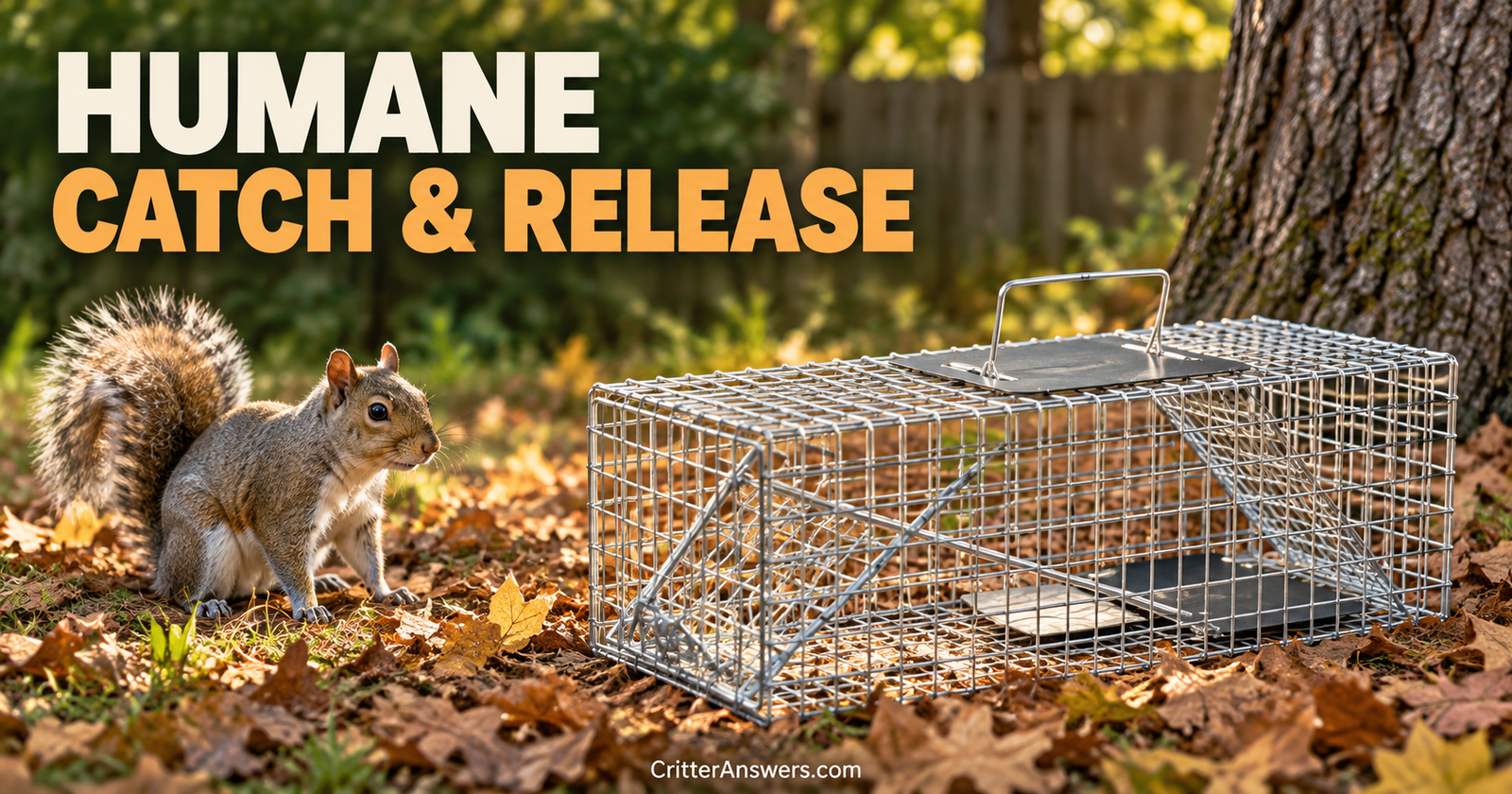
For squirrels and other appropriately sized small nuisance animals, I’ve covered the heavy-duty humane live cage trap I’d consider.
But notice what I didn’t say.
I didn’t tell you to buy that cage for whatever is tearing up your lawn.
A raccoon, skunk or armadillo problem is not automatically a small-animal trap problem.
The product needs to match the animal.
That’s why this entire article comes before the trap.
Repair the Lawn After the Digging Stops
Once you’ve addressed the cause or the feeding activity has stopped, repair the damage rather than letting torn turf dry out.
For minor damage, that may mean:
- Putting lifted sod back into contact with soil
- Raking disturbed areas level
- Filling shallow holes
- Reseeding bare spots when appropriate
- Watering repaired areas as needed
University of Maryland specifically recommends focusing on repairing damaged lawn areas and notes that this type of wildlife damage can be temporary.
There’s no reason to turn a few nights of animal feeding into a permanently ugly patch of lawn.
What If the Damage Stops on Its Own?
Great.
Not every wildlife visit needs to become a battle.
An animal may temporarily exploit a food source and move on.
If the damage is minor and no animal is denning beneath the house or creating another serious problem, monitoring may be all you need.
Repair the turf.
Remove obvious attractants.
Watch for new damage.
Sometimes the best wildlife-control project is the one you don’t have to start.
What If the Animal Keeps Coming Back?
Then I’d escalate the investigation rather than immediately escalating the control.
Set up a camera.
Check for tracks.
Inspect nearby structures.
Look beneath the shed and porch.
Verify whether grubs or another food source are actually abundant.
Determine whether the same animal returns every night.
Once you have a confident identification, look at species-specific prevention and control.
That’s much more likely to work than treating every nighttime lawn digger as the same animal.
My Overnight Lawn Damage Cheat Sheet
If you want the quick version, here’s how I’d read the scene.
Lots of small cone-shaped holes:
Skunk moves high on the list.
Pieces or sections of sod lifted and rolled back:
Think seriously about raccoon.
Dozens of shallow funnel-like feeding holes in armadillo country:
Consider nine-banded armadillo.
Long raised ridges through the grass:
Think mole rather than a surface-feeding nighttime visitor.
Small holes connected by narrow surface runways:
Look into voles.
A few little shallow cache holes appearing during daytime activity:
Squirrels may be responsible.
One substantial entrance with excavated soil:
Stop treating it as lawn feeding damage and identify the burrow instead.
That last distinction is important.
Read the Damage Before You Try to Stop It
A torn-up lawn is frustrating.
But don’t let frustration make the identification for you.
Look at what happened.
Punched holes or peeled sod?
One burrow or dozens of feeding divots?
Raised tunnels or actual excavated holes?
Fresh tracks?
Skunk odor?
Damage every night or one isolated incident?
Those details turn “something destroyed my lawn” into a much smaller list of suspects.
For classic overnight digging, skunks and raccoons are two of the first animals I’d investigate, with armadillos becoming particularly important where they’re established. Moles and voles create their own recognizable patterns that can keep you from blaming the wrong animal.
And before you put down grub control, set a trap, or block a den, figure out what the evidence actually supports.
The shape of the damage usually tells you more than the fact that it happened overnight.
About the author: Nolan Mercer researches the tracks, holes, feeding damage, nests, and other clues wildlife leaves around homes and yards. At Critter Answers, he focuses on helping homeowners identify the animal before deciding what to do about it.