
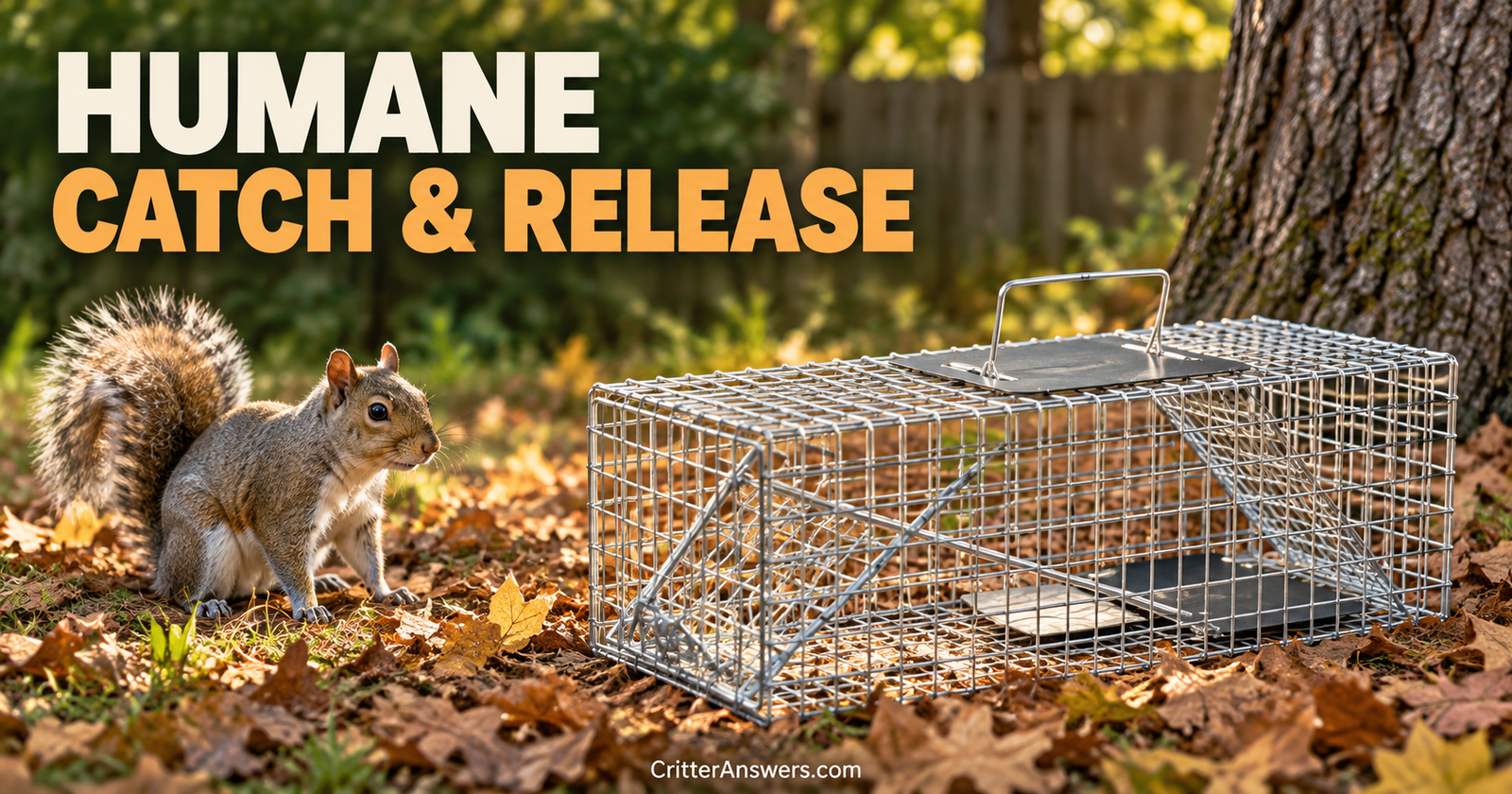
Sometimes you need a live animal trap, but you don’t need a cage big enough to catch everything in the neighborhood.
That’s where a smaller heavy-duty live cage trap makes a lot of sense.
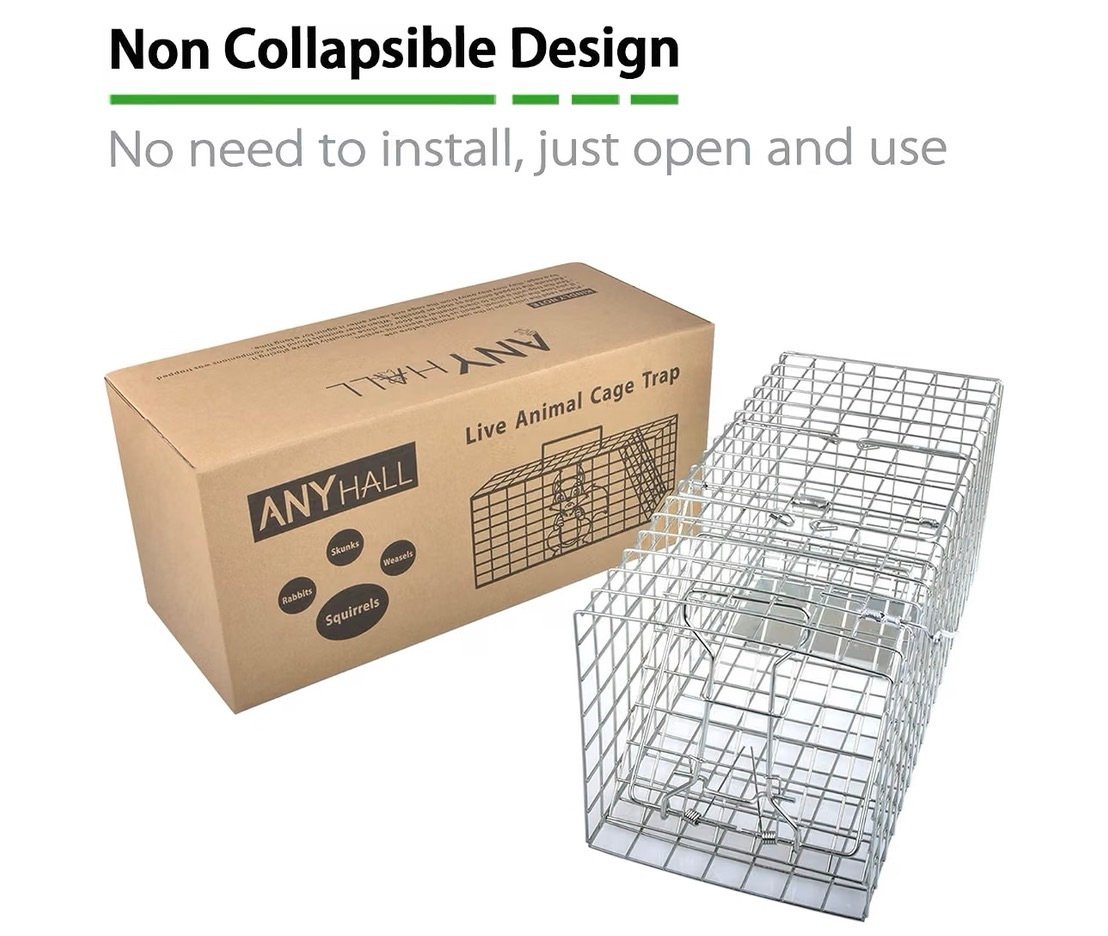
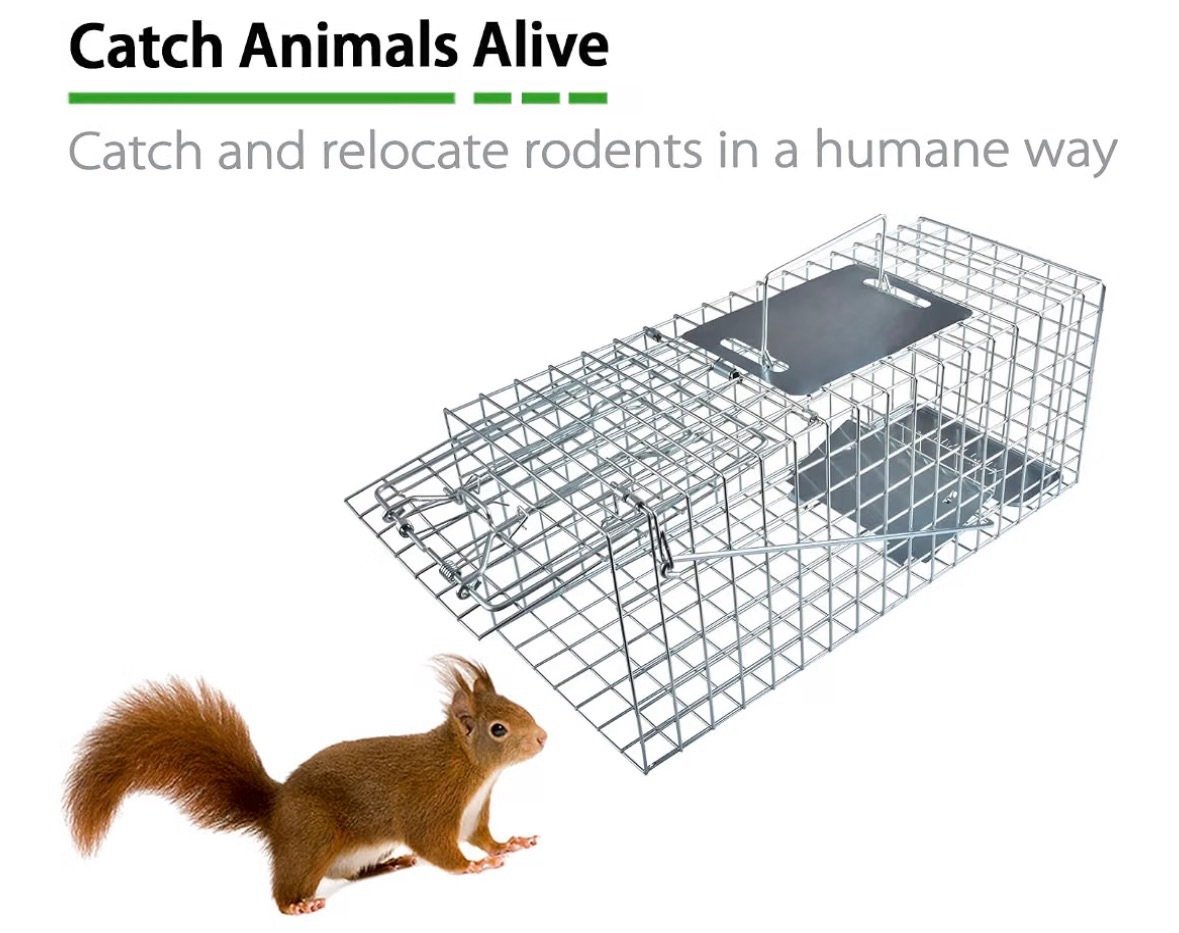
The trap I’m looking at here is intended for squirrels and other similarly sized small nuisance animals. It is specifically not a large cage intended for cats and bigger wildlife.
And I actually think that’s an advantage when the animal you’re targeting is small.
Instead of wrestling with an oversized cage, you’re getting something much closer to the size of the job.
But I wouldn’t buy any live trap based on size alone.
A good small-animal cage trap needs to balance several things: enough room for the target animal to enter, a trigger the animal can actually activate, sturdy construction, a secure door, reasonable portability, and a design you can place where the animal is already traveling.
Most importantly, you need to identify the animal before setting the trap.
A humane cage trap is a tool. Using the right tool on the wrong animal doesn’t solve much.
The Small-Animal Live Trap I’d Consider
This article contains an Amazon affiliate link. Critter Answers may earn a commission from qualifying purchases at no additional cost to you.
If you’re specifically looking for a heavy-duty live cage without jumping all the way up to a cat- or raccoon-sized trap, this is the model I’d look at.
It’s intended for squirrels and other animals in a similar size range.
See the heavy-duty humane live animal trap on Amazon
What interests me most isn’t some fancy gimmick.
It’s the size category.
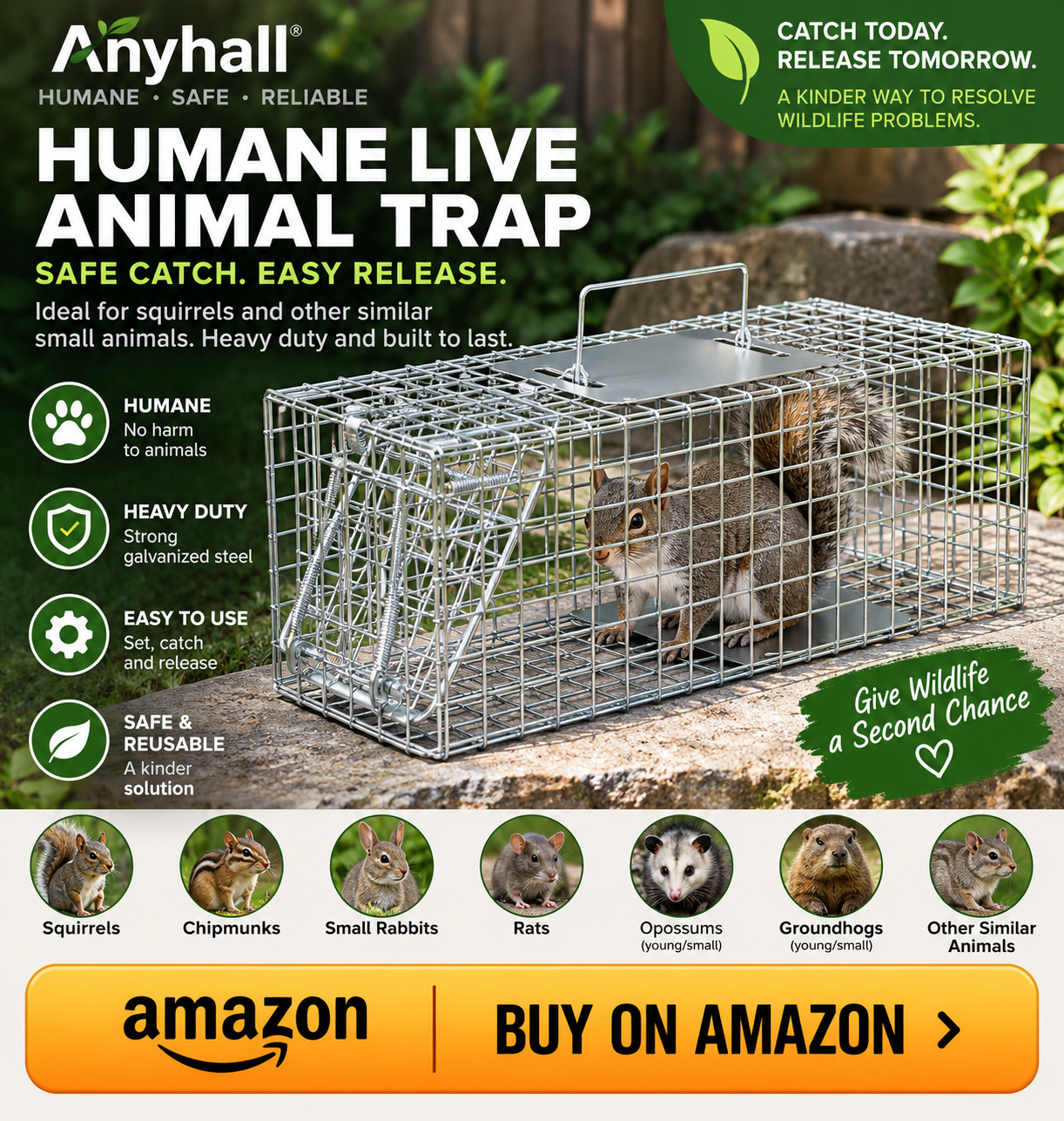
There are plenty of situations around a house, shed, garden, barn, or property where the nuisance animal is simply too small to justify dragging out a huge cage.
Why I Wouldn’t Automatically Buy the Biggest Live Trap
Bigger isn’t automatically better with cage traps.
You want a trap appropriate for the animal you’re actually trying to catch.
Wildlife trapping guidance from the University of Florida points out that cage traps come in different sizes for different animals and specifically notes that trap size can be more important than brand. For more reasons a correctly sized cage can still go unused, see trap size and animal behavior.
That makes sense.
You’re trying to get a particular animal to:
- Approach the cage.
- Enter it.
- Move far enough inside.
- Step on or interact with the trigger.
- Remain securely contained after the door closes.
An enormous cage doesn’t automatically improve any of those things.
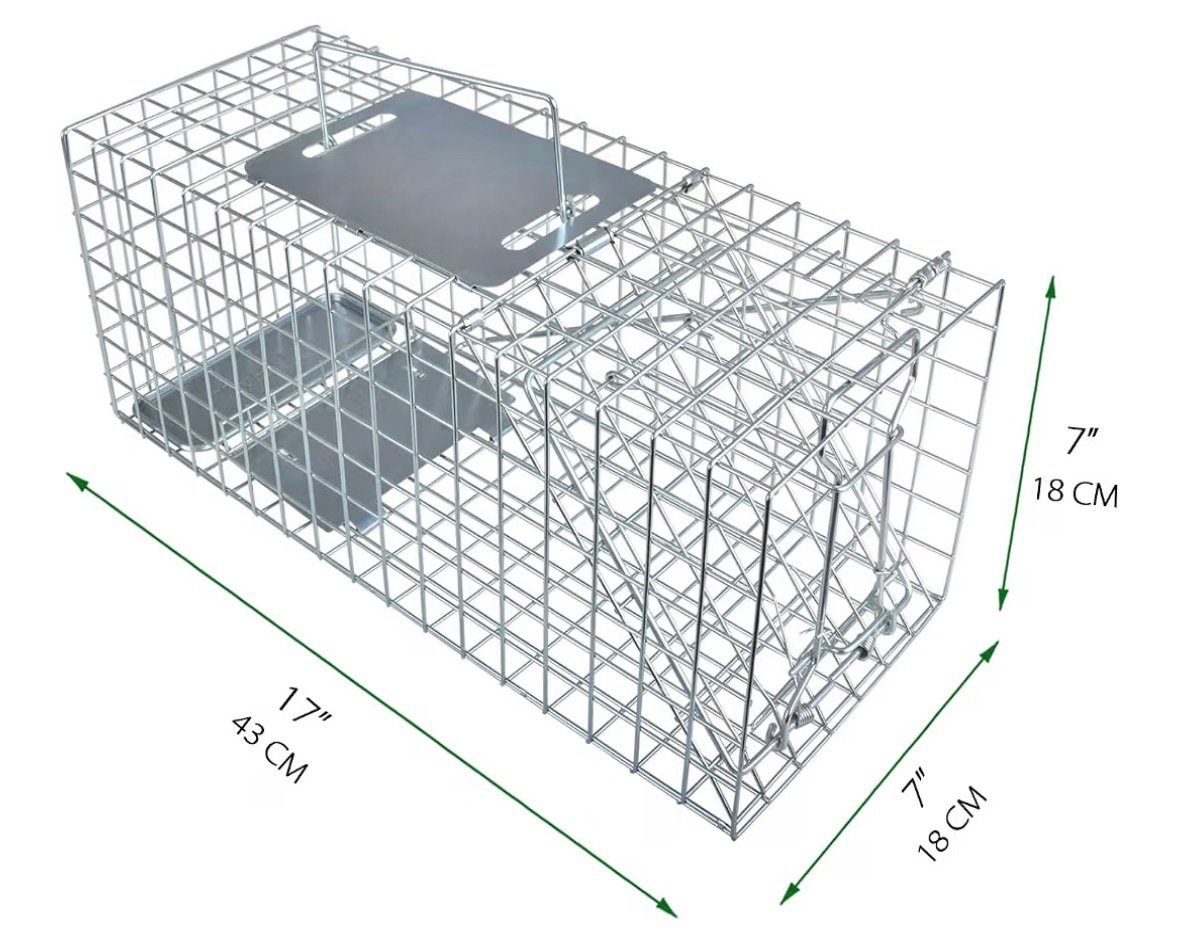
For smaller nuisance wildlife, a more appropriately sized trap can also be easier to position where the animal is actually traveling.
What Kind of Animals Is a Small Live Cage Trap For?
This is where I want to be careful.
I wouldn’t publish a giant list claiming this exact trap is suitable for every small animal on Earth. The manufacturer’s current dimensions and intended species should always be checked before purchase.
Generally, though, this size category is intended for squirrels and other similarly sized small nuisance animals rather than cats and larger wildlife.
Depending on the actual animal, local regulations, and the trap’s dimensions, small cage traps may be considered for animals such as:
- Squirrels
- Chipmunks
- Rats
- Weasels
- Other similarly sized small nuisance mammals
The important phrase is appropriately sized.
A chipmunk is not the same size as a large fox squirrel.
And a raccoon is an entirely different proposition.
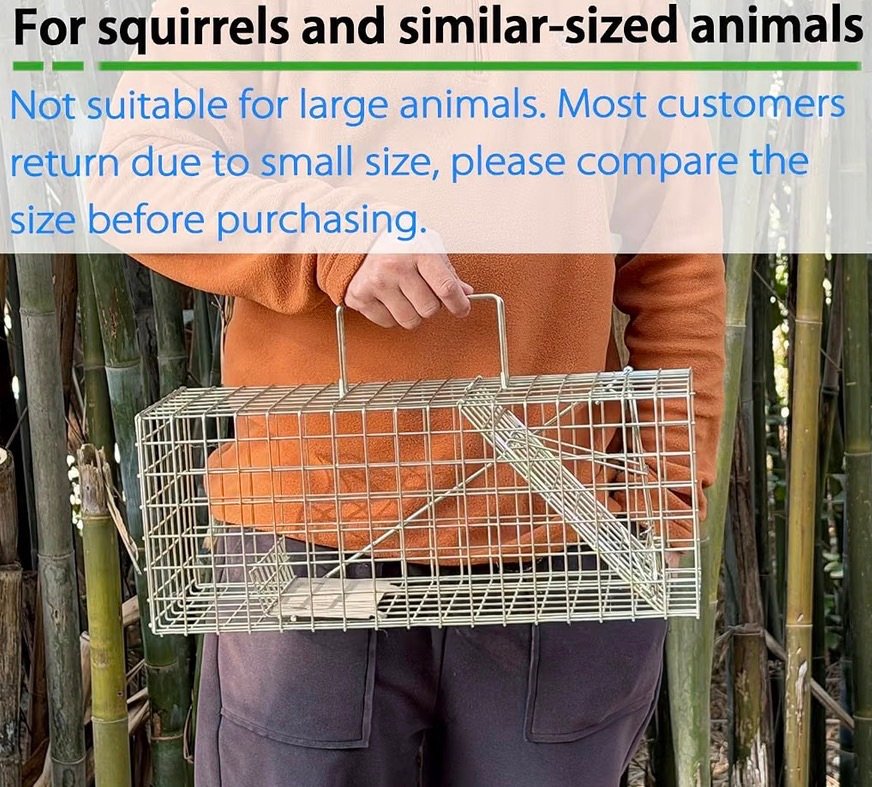
Check the trap’s current dimensions and manufacturer recommendations against the animal you’re targeting.
What This Trap Is NOT For
This may be even more important.
This is not the cage I’d choose when dealing with larger animals such as:
- Raccoons
- Groundhogs
- Large opossums
- Skunks
- Feral cats
- Similar larger wildlife
If one of those is your problem, buy equipment appropriate for that animal or get professional help.
Don’t try to squeeze a large-animal problem into a small-animal trap because you already own the cage.
That’s backwards.
Identify the animal first. Match the trap second.
Don’t Buy a Trap Until You Know What’s Causing the Problem
This is especially important on Critter Answers because so many wildlife problems begin with an unidentified visitor.
Maybe something dug a hole.
Maybe something is underneath the shed.
Maybe there’s scratching inside a wall.
Maybe food keeps disappearing.
You need more than “I saw an animal once.”
Look for:
- Tracks
- Droppings
- Gnawing
- Burrows
- Nesting material
- Activity time
- Camera footage
- Entry points
- Feeding damage
- Actual visual confirmation
The better your identification, the easier it is to determine whether this trap is appropriate at all.
Small Animals Can Cause Surprisingly Big Problems
“Small animal” doesn’t mean “small problem.”
Rodents are a perfect example.
A squirrel can damage a roofline and gnaw wiring.
Rats can burrow around structures and contaminate stored feed.
Chipmunks can establish burrows around landscaping, patios, steps, and structures.
Other small nuisance mammals create their own problems depending on where you live.
And because these animals are small, figuring out exactly where they’re traveling can sometimes be harder than dealing with something raccoon-sized lumbering across the yard every night.
That’s where a properly placed live trap can be useful.
This Kind of Trap Makes Sense Around Sheds
Sheds are one place where I particularly like the idea of a smaller cage trap when trapping is appropriate for the identified species.
A shed can provide shelter and food at the same time.
Bird seed.
Grass seed.
Chicken feed.
Livestock feed.
Pet food.
Garden seed.
Then you have a protected void underneath the building.
That’s a pretty inviting setup for several small nuisance animals.
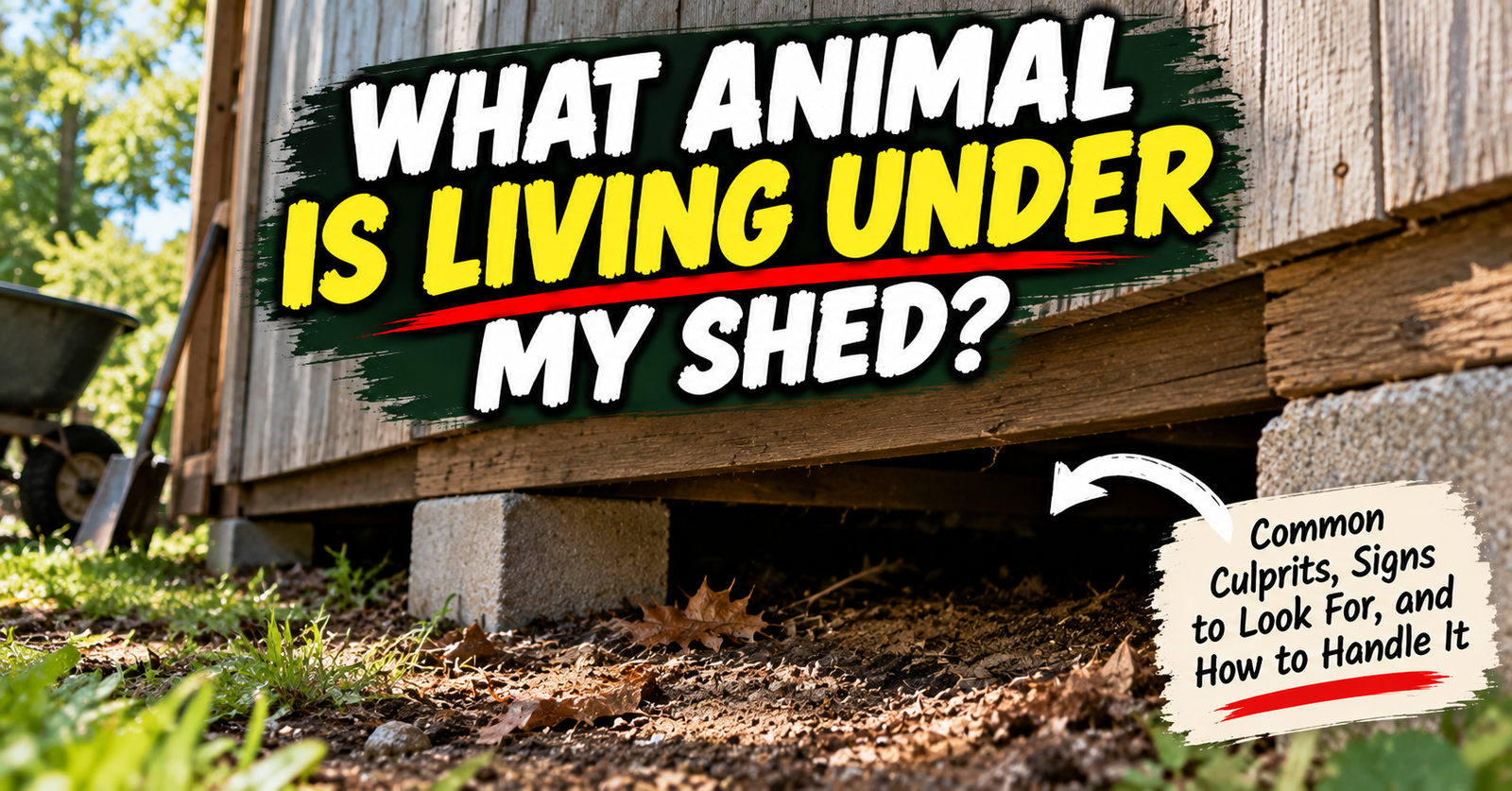
If you haven’t identified the resident yet, start with my guide to figuring out what animal is living under your shed before buying a trap.
The hole itself, fresh dirt, tracks, activity time, gnawing, and stored food can help determine whether you’re dealing with something this trap could reasonably handle or a much larger animal. When gnawing is being heard in a structure rather than found outdoors, animals chewing inside walls provides a more relevant way to assess the likely animal.
It Can Also Make Sense Around Gardens and Outbuildings
A smaller cage is easier to position in tight areas than a giant wildlife trap.
That can matter around:
- Garden edges
- Fence lines
- Barns
- Sheds
- Outbuildings
- Feed-storage areas
- Wood piles
- Landscaping
- Known travel routes
But don’t just place the cage beside whatever got damaged.
Think like the animal for a minute.
Where is it actually walking?
Where does it feel protected?
Where are the tracks?
Where does it disappear?
Where does it repeatedly show up on camera?
Trap placement should follow animal behavior.
A Live Trap Works Better When You Find the Travel Route
This is probably more important than the brand name printed on the box.
Animals develop patterns.
A squirrel may repeatedly travel the same fence.
A rat may hug the same wall.
A chipmunk may disappear into the same landscaping edge.
Another small mammal may repeatedly pass beneath the same gate or alongside the same shed.
Put the trap where the animal already wants to go.
You’re asking for much less behavioral change that way.
Don’t Just Guess From the Hole Size
A mystery hole can help identify an animal, but it can also fool you.
Animals reuse burrows.
One animal may dig a hole and another move into it.
Predators can enlarge existing holes.
Weather changes entrances.
So if your entire identification is:
“That’s a small hole, so I’ll buy a small trap,”
I’d wait.
Use the dirt, tracks, tunnels, runways, droppings, damage, and activity pattern too.
That’s the approach I use in identifying what animal dug a mystery hole in the yard.
The more evidence that agrees, the less likely you are to trap the wrong species.
Why Heavy-Duty Construction Matters
A live-caught animal generally wants one thing.
Out.
It may push, scratch, bite, gnaw, twist, and repeatedly test the cage.
That’s why “heavy duty” means more to me here than some decorative product feature.
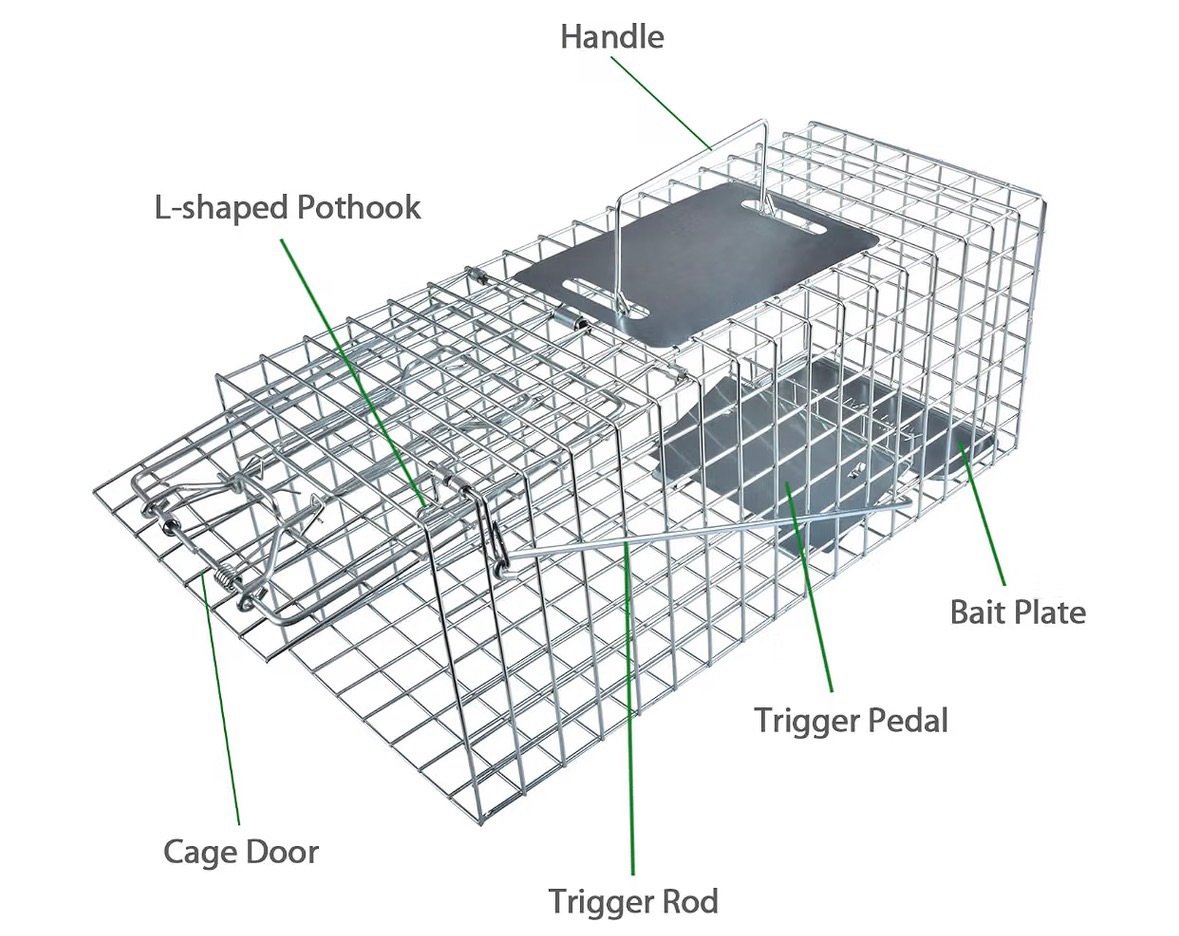
For a reusable cage trap, I’d look for:
- Sturdy wire
- Solid construction
- Reliable door closure
- A trigger suitable for the intended animal
- Secure latching
- No obvious sharp edges
- Stable footing
- Enough room for the target animal
You’re buying something that’s supposed to safely contain a stressed wild animal.
Flimsy isn’t an attribute I’m shopping for.
The Trigger Has to Match a Smaller Animal Too
This is easy to overlook.
It’s not enough for the animal to physically fit inside.
It needs to reliably trigger the trap.
That’s one reason matching trap size to the target animal matters.
A trap designed around substantially heavier wildlife may not behave the same way with a much lighter animal.
When comparing traps, look at the manufacturer’s intended target range rather than just asking:
“Will the animal fit through the door?”
Fit is only part of the equation.
One-Door and Two-Door Traps Work Differently
Live cage traps commonly come in one-door and two-door configurations.
Two-door traps can appear more like an open tunnel, which may encourage some animals to enter.
One-door traps have their own advantage.
Bait can be positioned beyond the trigger toward the closed end, requiring the animal to travel farther into the cage before reaching it.
University of Florida Extension discusses exactly this tradeoff and notes that single-door traps can sometimes improve capture success because of how far the animal must enter.
Neither design automatically wins every situation.
The setup matters.
Bait Should Make the Animal Enter, Not Just Visit
This is where people accidentally create a feeding station.
You don’t want the animal to approach the entrance, grab something, and leave.
You want it to travel far enough into the cage to trigger the mechanism.
With a one-door cage, that generally means placing the bait toward the back, beyond the trigger area, while following the particular trap manufacturer’s directions.
Don’t bury the trigger in food.
Don’t interfere with the door.
And don’t scatter so much bait outside that the animal can eat dinner without entering.
The goal isn’t to feed it.
The goal is to encourage a full entry.
The Best Bait Depends on What You’re Targeting
There’s another reason I don’t like treating this as “the squirrel trap article.”
Different animals respond to different foods.
For squirrels, wildlife agencies commonly recommend foods such as nuts, peanut butter, apple, or orange.
For other appropriately sized target animals, bait selection can differ substantially.
Use something attractive to the species you’ve identified.
That sounds obvious, but it prevents the classic mistake of buying a universal-looking cage, tossing random food inside, and wondering why nothing happens.
Watch for Bait Theft Through the Wire
Small animals can be annoyingly good at this.
If the bait is close enough to the side or back of the cage, an animal may reach through the wire instead of walking inside.
Now you have:
empty bait + open trap + confused homeowner.
Position the bait so the animal needs to enter.
University of Florida Extension also notes that screening portions of a cage can help prevent animals from simply reaching through and stealing bait.
If your bait keeps vanishing without a capture, don’t immediately assume the trap failed.
Figure out how it’s disappearing.
A Stable Trap Is Better Than a Wobbly One
Put the cage on a stable surface.
A rocking, tilted trap can make the setup less effective and may interfere with the trigger or door.
It can also make an already unfamiliar object even less inviting.
When appropriate, natural material around the trap can help it blend into the surroundings, but never block the trigger or door mechanism.
Before leaving an armed trap, test it according to the manufacturer’s instructions.
Make sure the door actually closes.
Pre-Baiting Can Help With Wary Animals
Sometimes the animal doesn’t immediately trust a new metal box that appeared overnight.
Fair enough.
One strategy used in wildlife trapping is pre-baiting.
That means leaving the trap unset initially while allowing the target animal to become comfortable entering for bait.
Once the animal is readily using it, the trap can be set.
This isn’t necessary in every situation, but it can be useful with cautious animals.
Again, you’re working with animal behavior rather than trying to overpower it.
Here’s Why I Like the Smaller-Cage Idea
For the right animal, practicality matters.
A smaller trap is easier to:
- Carry
- Position
- Store
- Move between locations
- Fit near a travel route
- Use around tighter spaces
And you’re not buying a massive cage for an animal that doesn’t require one.
If your target is within the manufacturer’s intended size range, this is the kind of product I’d consider first.
Check the current price and specifications for this heavy-duty small-animal live trap on Amazon
Pay particular attention to the listed dimensions and intended animal size before ordering.
That’s more important than buying solely because somebody else successfully caught a different species with it.
Where I Would NOT Put a Live Trap
Don’t place it somewhere you can’t safely monitor it.
Avoid locations where:
- Children regularly play
- Pets have unsupervised access
- The trap could fall
- The cage will sit in standing water
- Direct sun can dangerously heat a captured animal
- You can’t retrieve it easily
- The trap creates a hazard on a walkway
- You’re likely to capture an unintended animal
You become responsible for what happens after that door closes.
Choose the location accordingly.
A Humane Trap Still Has to Be Used Humanely
The word humane on a product title doesn’t automatically make every use of the trap humane.
A cage captures an animal alive.
What happens next matters.
A trapped animal can experience stress, overheating, cold, dehydration, rain, injury, or exposure to predators.
That means live traps need regular monitoring.
I would never set one and then leave town.
Check the manufacturer’s instructions and your local legal requirements for trap-checking frequency, and err on the side of checking more frequently when conditions are harsh.
Shade Matters More Than You Might Think
A wire cage offers very little protection from weather.
Direct summer sun can become dangerous.
So can severe cold and heavy precipitation.
Choose a protected location when possible while still keeping the trap along the target animal’s route.
Once an animal is captured, deal with it promptly and legally.
Don’t leave it sitting in a cage because you haven’t decided what to do yet.
Which brings us to something you should figure out before setting the trap.
Know What You’re Going to Do After You Catch Something
This question should come before bait.
Suppose the trap works tonight.
Tomorrow morning there’s a live wild animal inside.
Now what?
Wildlife regulations differ substantially by state, locality, and species.
Depending on where you live, rules may govern:
- Which species can be trapped
- When they can be trapped
- Which traps can be used
- How often traps must be checked
- Whether permits are required
- Whether relocation is allowed
- Where release is allowed
- How nuisance wildlife may legally be handled
Don’t assume that because you bought a live trap online, you can legally transport wildlife somewhere else and release it.
Check the current rules where you live before setting the trap.
Live Capture Doesn’t Automatically Make Relocation a Good Idea
This is another common misconception.
People picture live trapping like this:
Catch animal.
Drive to pretty wooded area.
Open door.
Happy ending.
Wildlife relocation is considerably more complicated.
Depending on the species and jurisdiction, relocation can be prohibited, restricted, or discouraged.
Moving wildlife can create disease concerns, put the animal into unfamiliar habitat, cause territorial conflicts, and simply transfer the nuisance problem to someone else’s property.
So I’m deliberately not giving you an arbitrary “release it five miles away” rule.
That advice isn’t universally legal or responsible.
Be Extra Careful During Baby Season
If the animal you’re trapping is using a den or nest, stop and think about young.
This matters with squirrels and other mammals that may use structures or protected areas for raising babies.
Removing the adult can leave dependent young behind.
That’s particularly ugly when the nest is:
- In an attic
- Inside a wall
- Beneath a structure
- In an inaccessible cavity
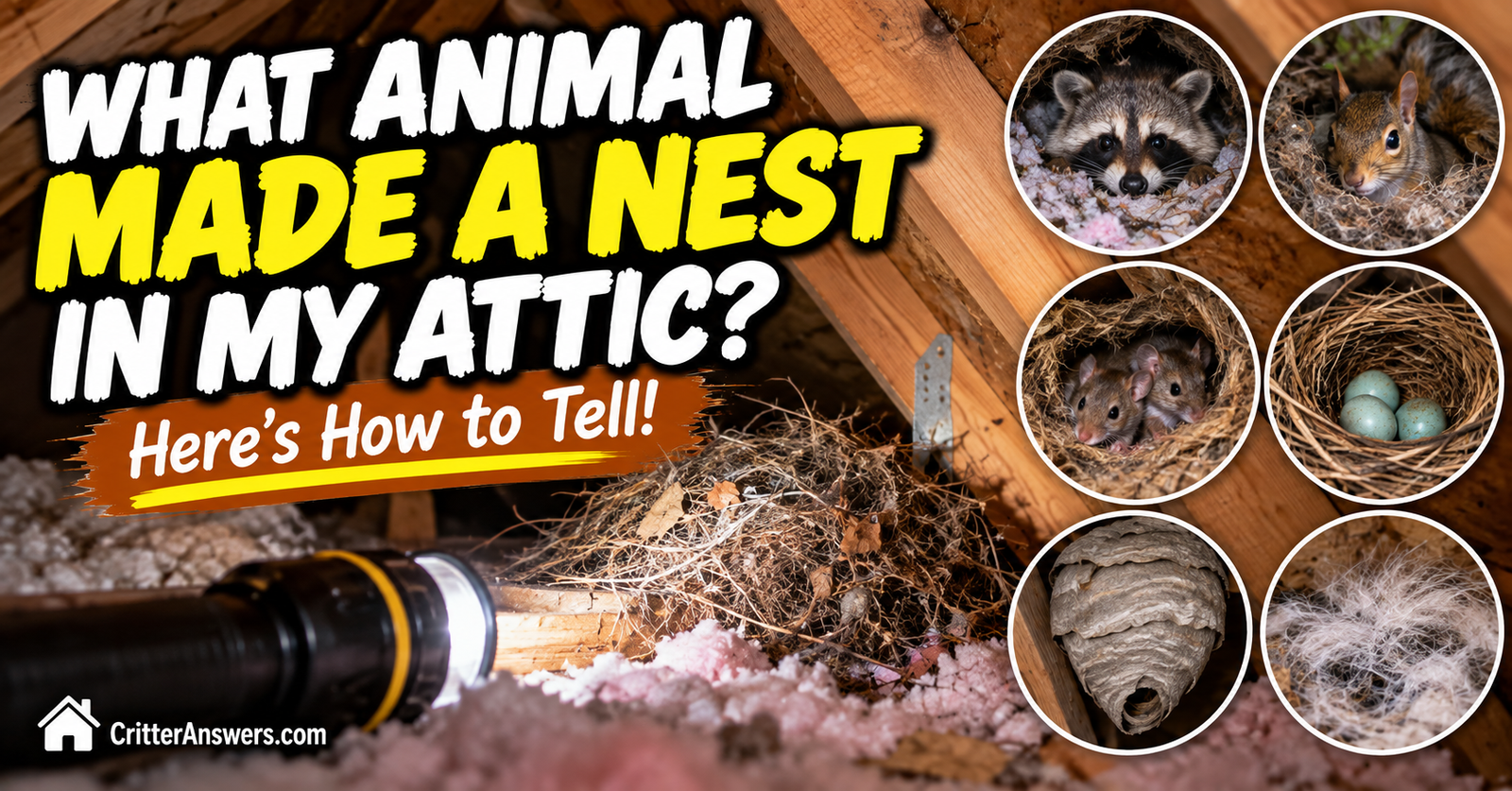
If you’ve discovered nesting material in the attic, my guide to identifying what animal made an attic nest explains why determining whether the nest is active should come before sealing entrances or removing adults.
A trap can catch exactly the animal you wanted and still make the situation worse if you didn’t know babies were present.
Don’t Seal a Hole Just Because the Trap Worked
Another mistake.
You capture one animal.
Then immediately close the entrance.
But how do you know there was only one?
If the problem involves a house, shed, crawl space, or other structure, make sure animals aren’t still inside before permanent exclusion.
Otherwise you can trap animals in the structure or separate young from their mother.
This is especially important when the animal has been entering your home.
Trapping and exclusion are related, but they are not the same job.
Trapping Doesn’t Fix an Entry Point
Let’s say you have a squirrel entering the attic.
The trap successfully catches it.
Your soffit still has a hole.
You’ve removed the occupant without repairing the apartment.
Another animal may eventually find it.
That’s why I don’t consider live trapping a complete solution to structural wildlife problems.
Once the animals are appropriately dealt with and the structure is confirmed clear, repair the entry point using material appropriate for the animal and building component.
Otherwise you’re likely to repeat the process.
Trapping Doesn’t Remove the Attraction Either
The same applies outdoors.
Why was the animal there?
Look for:
- Bird seed
- Pet food
- Livestock feed
- Garbage
- Fallen fruit
- Compost
- Garden crops
- Accessible shelter
- Water
- Rodent populations
If you remove one animal but leave unlimited food and shelter, the property may remain attractive to others.
Sometimes the most effective “trap improvement” is cleaning up the spilled feed behind the shed.
Don’t Use a Small Cage for an Animal That’s Too Big
I want this unmistakably clear.
This product’s smaller size is useful because it’s meant for smaller animals.
Don’t treat that as a challenge.
If camera footage reveals a large raccoon squeezing around the shed, get a trap appropriate for a raccoon or call a professional.
If you’ve got a groundhog burrow large enough to put your boot into, don’t try to make a little cage work because you already bought it.
If a skunk is involved, understand what handling a live-trapped skunk can entail before deciding DIY trapping is a great idea.
Right animal.
Right equipment.
Right approach.
When I’d Skip DIY Live Trapping Completely
There are situations where I wouldn’t bother trying to solve this with a cage.
I’d lean toward professional wildlife help when:
- You cannot identify the animal.
- The target is too large for the trap.
- Babies may be present.
- Wildlife is inside an inaccessible wall or attic.
- You don’t know what to legally do after capture.
- There’s a risk of bites or other injury.
- You repeatedly catch non-target animals.
- The problem involves substantial structural damage.
- You suspect a species requiring specialized handling.
- Trapping animals isn’t solving the underlying problem.
A $30 or $50 trap isn’t a bargain if you’re using it on the wrong problem.
Is a Heavy-Duty Small-Animal Live Trap Worth Having?
If you own property where small nuisance wildlife problems come up periodically, I think a properly sized cage trap can be a useful piece of equipment to have available.
The key is not treating it as a universal wildlife solution.
I like this category because it fills the space between tiny rodent traps and those enormous live cages intended for much larger animals.
For squirrels and other appropriately sized small nuisance animals, that can be exactly what you need.
Before ordering, confirm the current dimensions and intended target range on the listing.
See the heavy-duty humane live cage trap on Amazon
Then, before setting it:
Identify your animal.
Check your wildlife laws.
Choose species-appropriate bait.
Place the trap along an actual travel route.
Keep it protected from dangerous weather.
Monitor it responsibly.
Know what you’ll legally do after a capture.
And address whatever food, shelter, burrow, or structural opening brought the animal there in the first place.
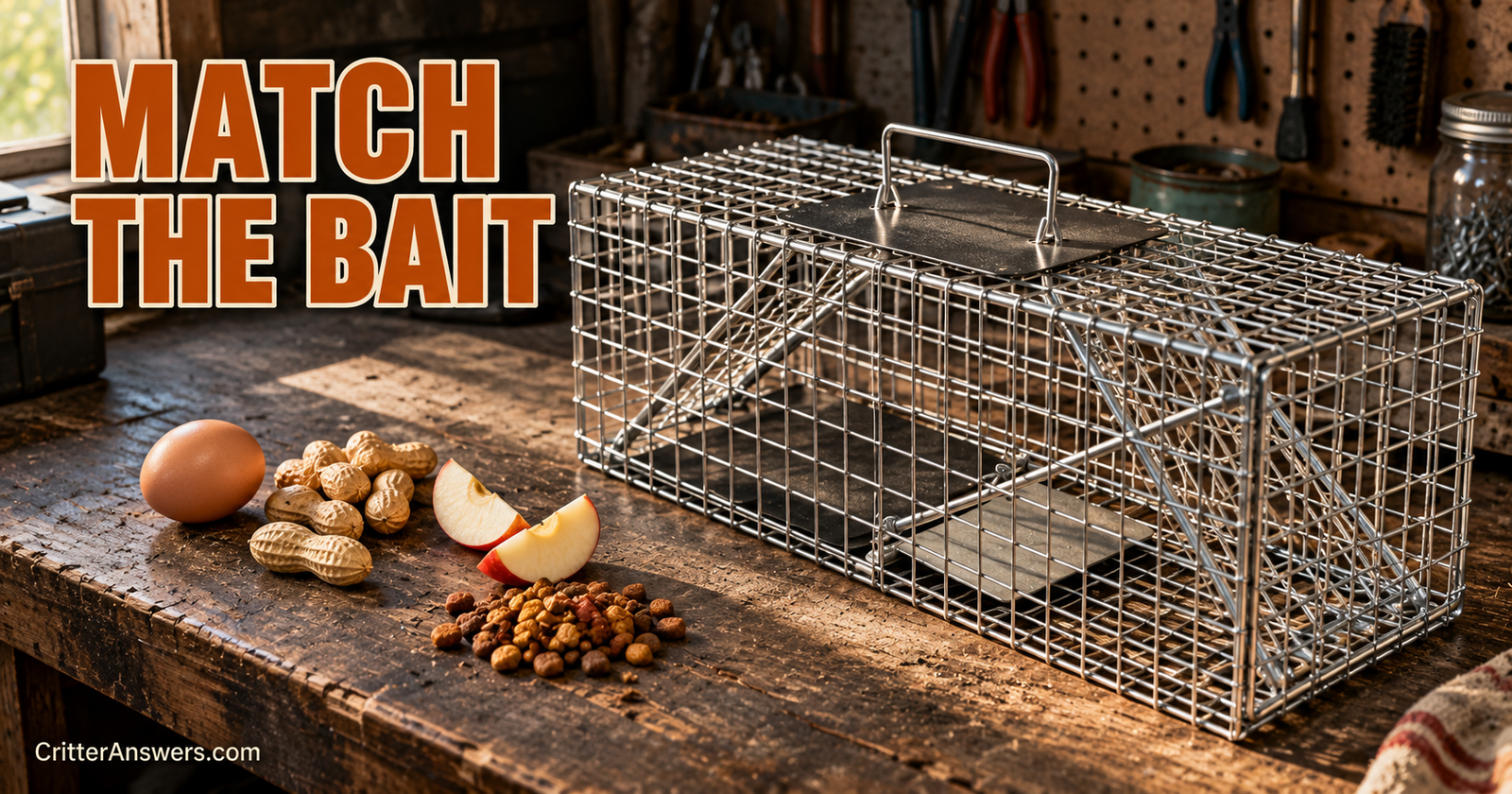
A good live trap should be sized for the animal you’re trying to catch, not every animal that could possibly wander through your yard. Once the trap fits the animal, choose bait for the target animal rather than using the same option for every species.
That’s what makes this smaller heavy-duty cage interesting in the first place.
About the author: Nolan Mercer researches practical ways homeowners can identify and deal with nuisance wildlife around houses, sheds, yards, and other structures. At Critter Answers, he focuses on choosing solutions based on the actual animal and evidence instead of treating every wildlife problem the same way.